
Last updated November 2, 2026
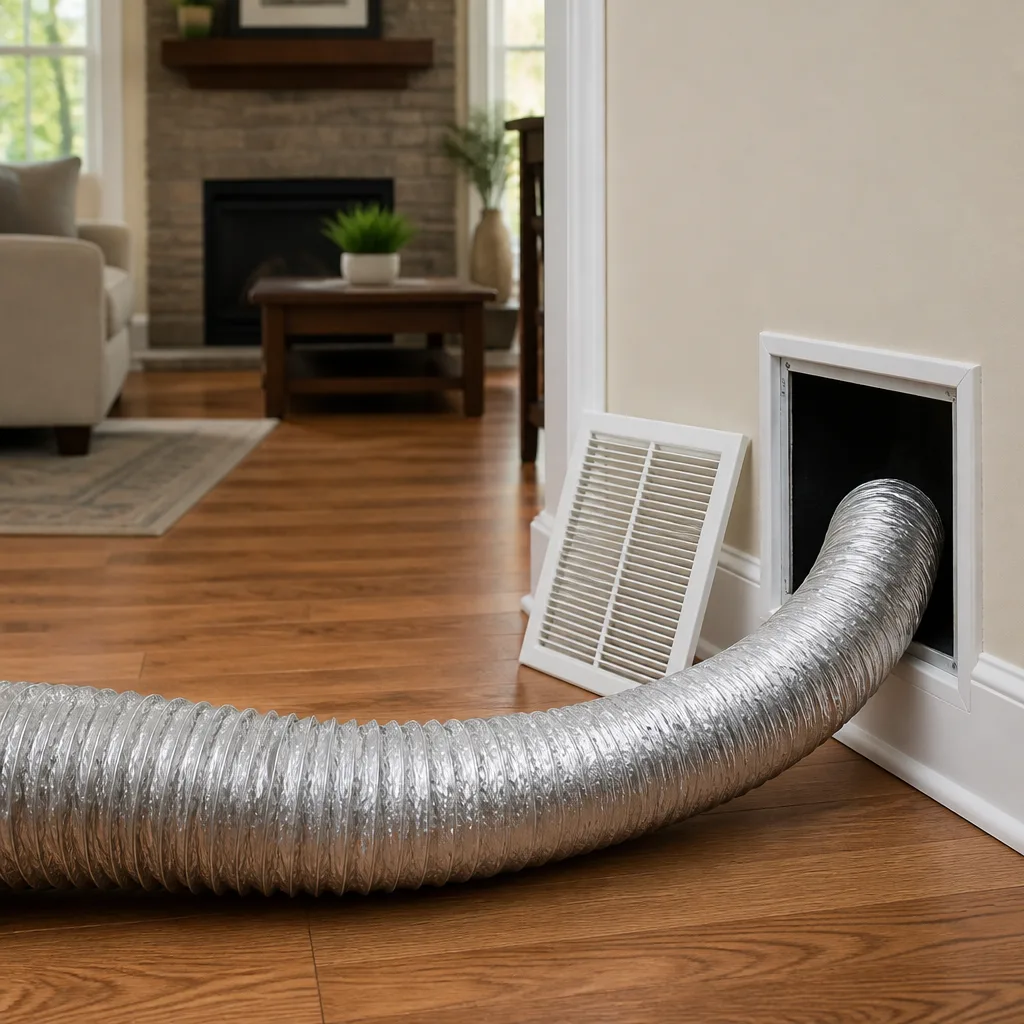 Whole-home duct cleaning
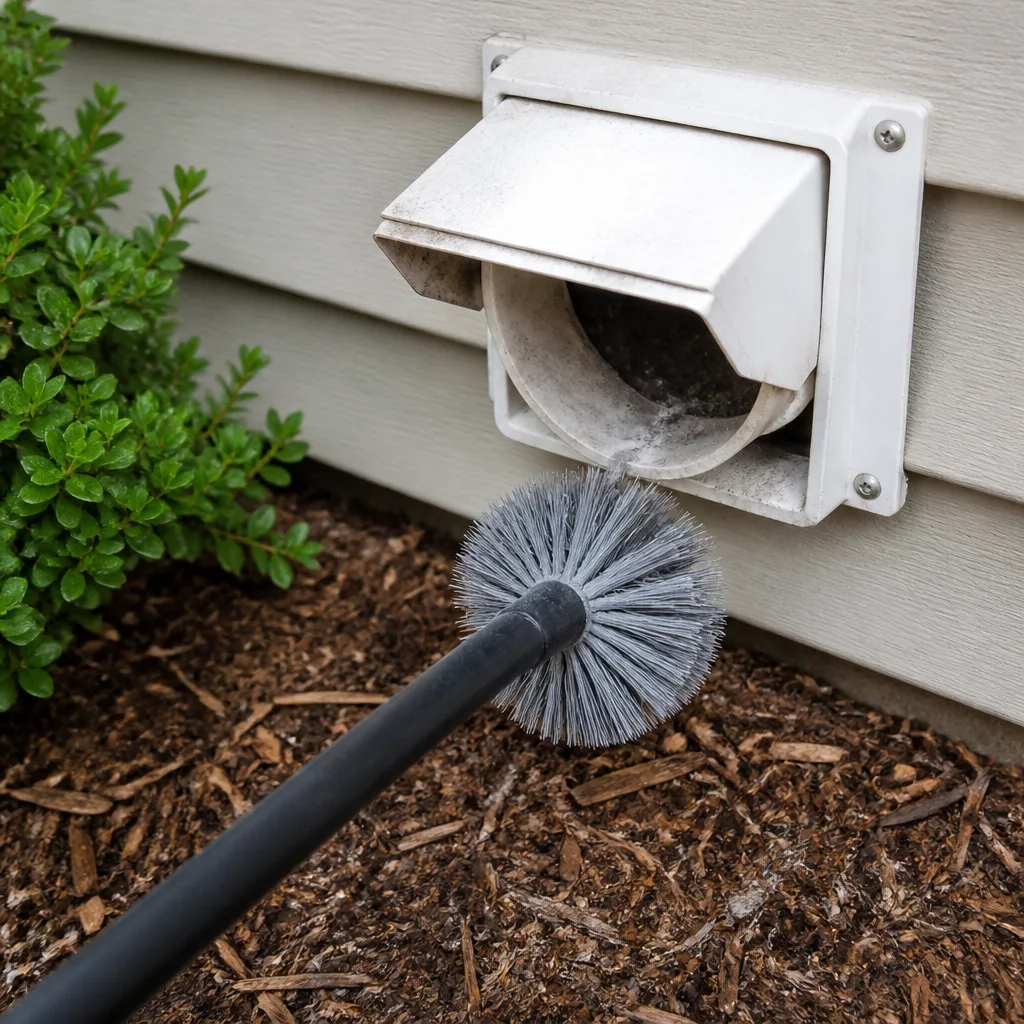 Dryer vent cleaning
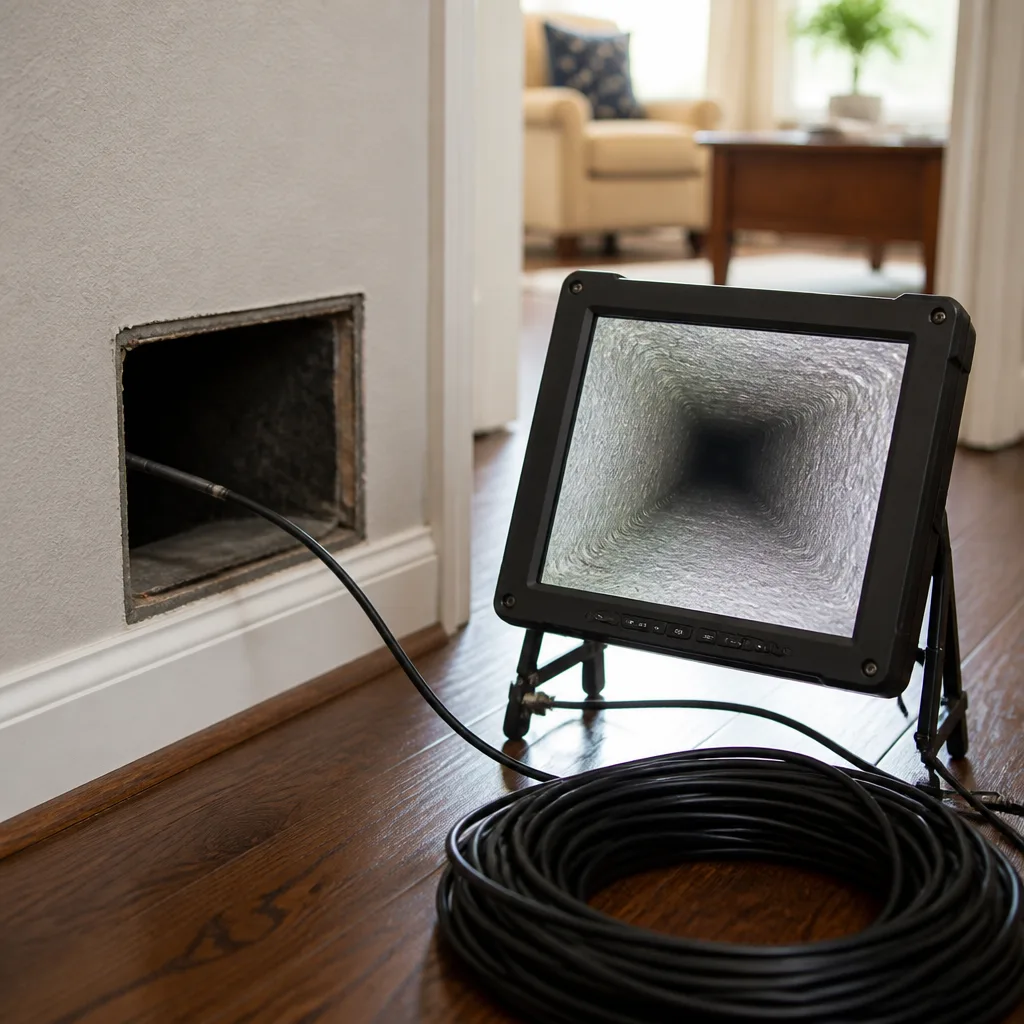 Camera inspection
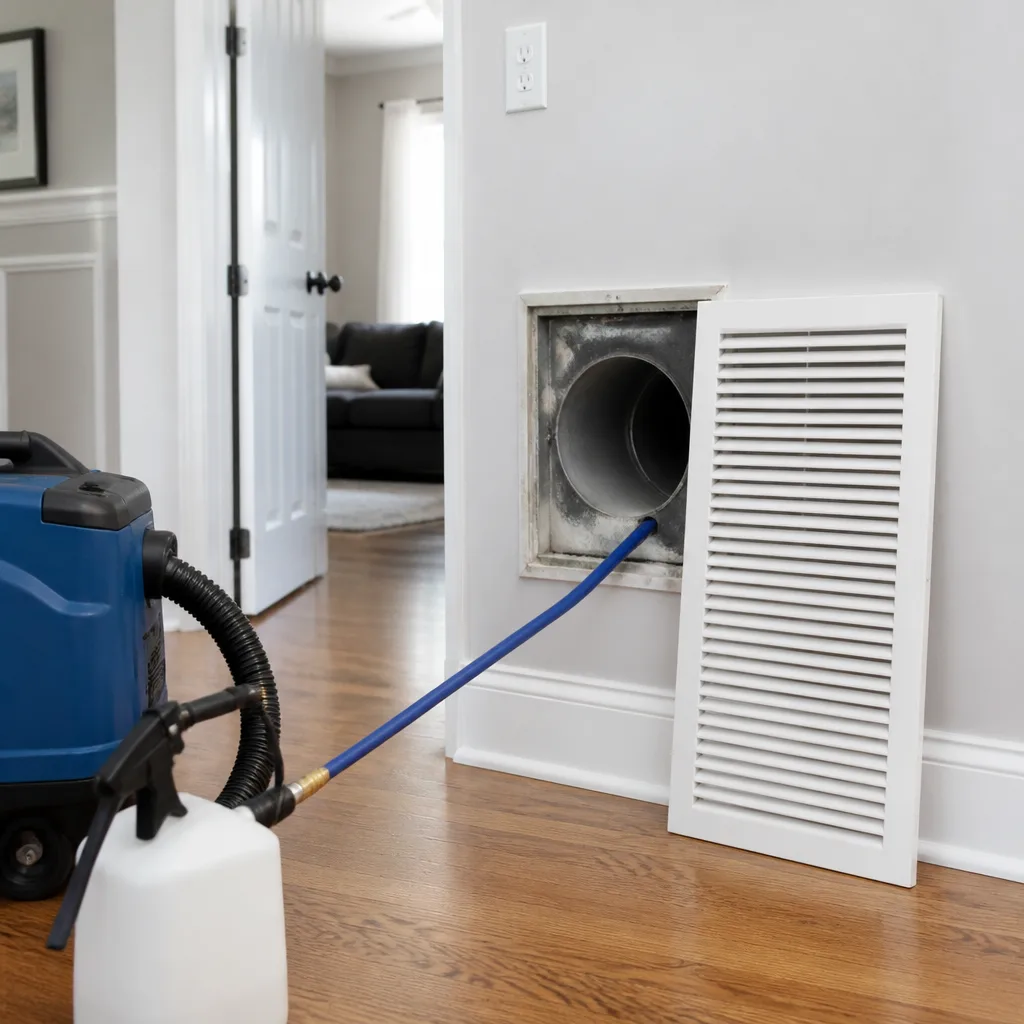 Sanitizing & deodorizing
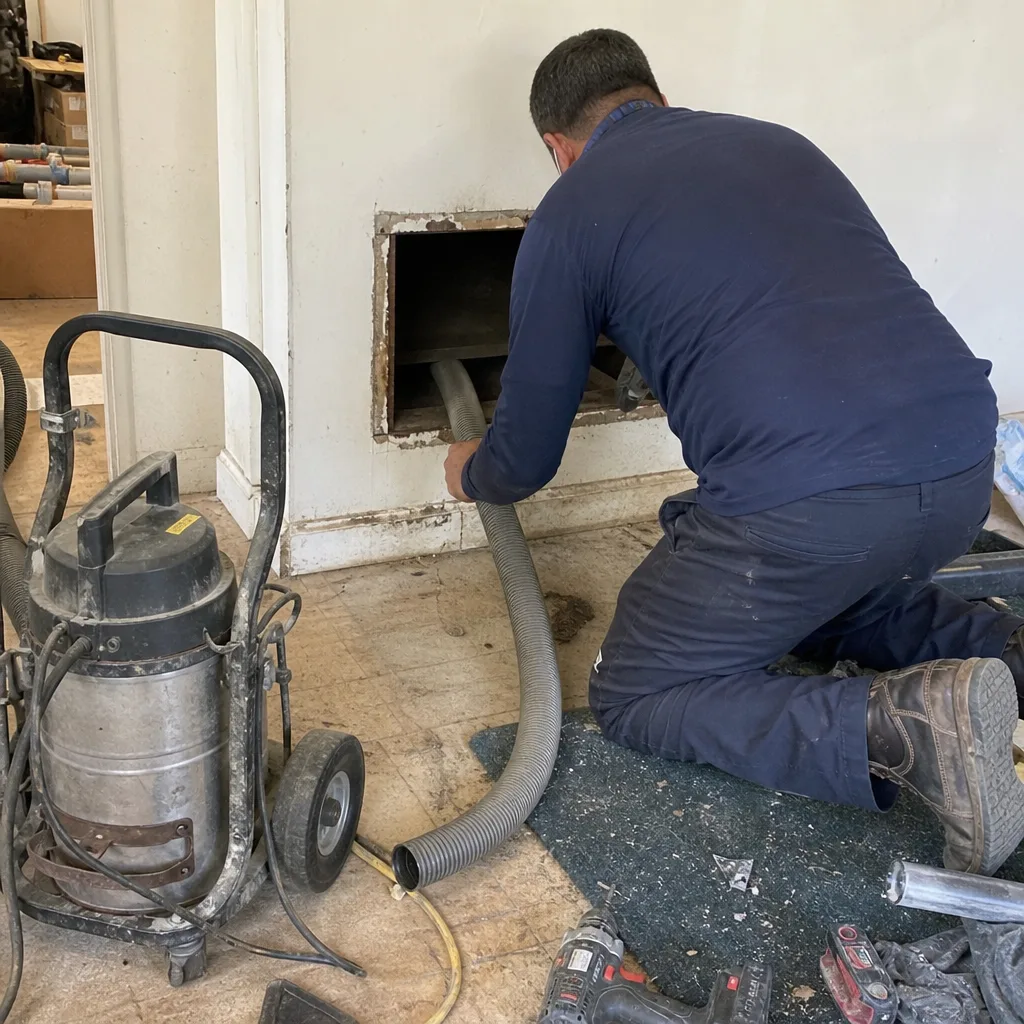
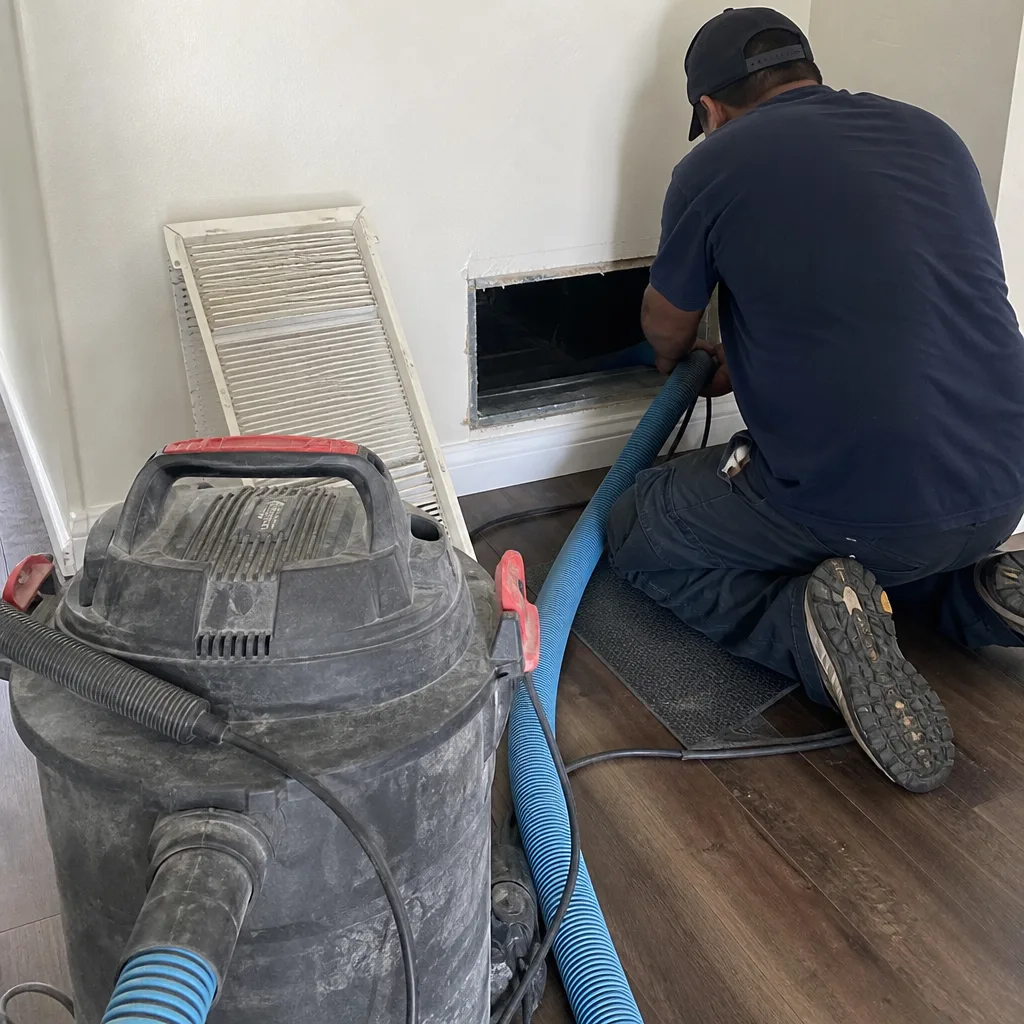
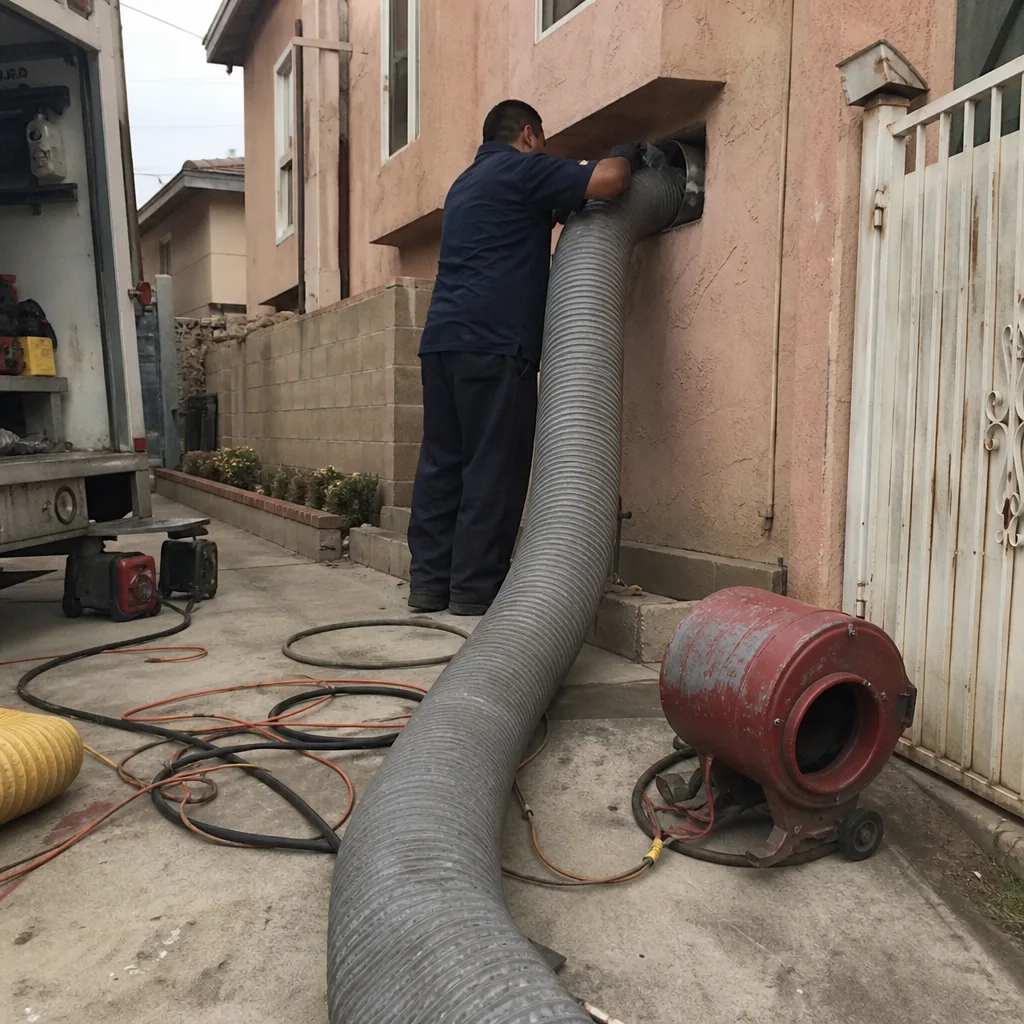
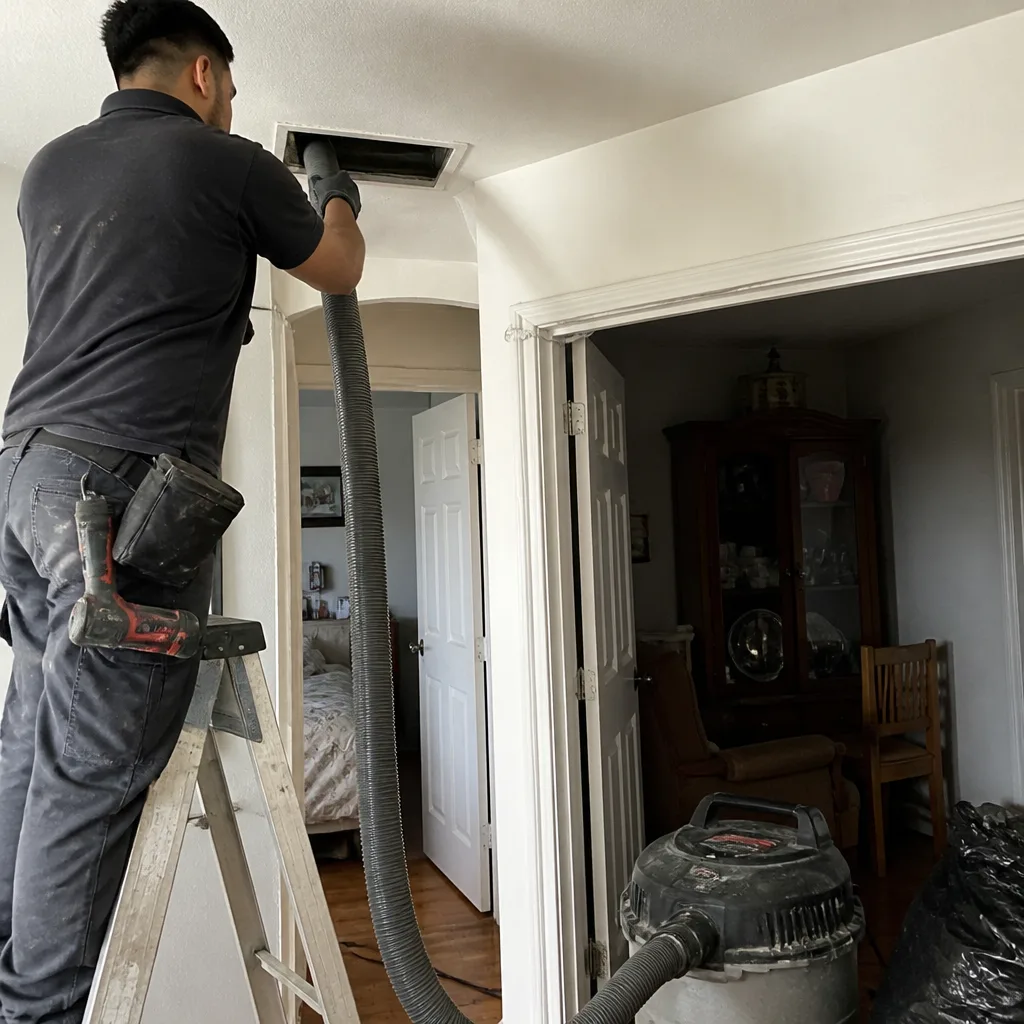
Whole-system duct and dryer vent check with before-and-after photos - you see exactly what came out of your vents
That "$99 whole-house special" is a bait ad - the real number appears once they are in your hallway, or the "clean" is a shop-vac at the register. We photograph the inside of your ducts before and after instead.
Air Duct Cleaning Cost Breakdown: The Boyle Heights Homeowner’s Reference for 2026
The national average for air duct cleaning means almost nothing in a market where a 900-square-foot East LA bungalow and a 2,400-square-foot new build require fundamentally different labor and equipment setups. Boyle Heights sits at a peculiar intersection: homes built before 1950 with original galvanized duct runs sit two blocks from renovations with brand-new flex duct, and the price to clean each differs by hundreds of dollars. This guide breaks down exactly what drives duct cleaning costs in this specific market, what a realistic 2026 price range looks like, and how to tell the difference between a legitimate quote and a coupon that exists only to get a van in your driveway.
Styles & brands we work with
- Whole-home duct cleaning
- Dryer vent cleaning
- Camera inspection
- Sanitizing & deodorizing
Quick Answer
Air duct cleaning for a standard single-family home in Boyle Heights typically runs between $450 and $900 in 2026, with most three-bedroom homes landing in the $550 to $750 range. The final number depends on vent count, duct accessibility, system age, and contamination level. Quotes below $300 almost always indicate a partial cleaning or a bait-price designed to convert into a larger invoice once the technician arrives.
Table of Contents
- The Real Cost Variables: What Actually Moves the Price
- Boyle Heights Housing Stock and What It Means for Duct Cleaning
- Realistic 2026 Price Ranges for Boyle Heights Homes
- Add-On Services: What’s Legitimate and What’s an Upsell
- Why Older Ductwork Costs More to Clean
- Contamination Levels: When Cleaning Becomes Something Else
- Why Equipment Matters More Than the Price Tag
- DIY vs. Professional: Where the Line Actually Sits
- Common Mistakes to Avoid
- When to Call a Professional
- Frequently Asked Questions
- The Bottom Line
The Real Cost Variables: What Actually Moves the Price
Duct cleaning pricing is not arbitrary, but it is also not standardized the way a roof replacement or water heater install is. In our experience running air duct cleaning in Boyle Heights, four factors explain nearly all the variance between quotes: the number of supply and return vents, the linear footage of accessible ductwork, the duct material itself, and system age.
Vent count is the starting point. A 600-square-foot apartment with four supply vents and one return is a two-hour job. A 2,200-square-foot house with twelve supplies and three returns is a six-hour job. Every vent is an access point that must be sealed, cleaned, and reconnected, and every access point adds labor minutes that compound across a full system.
Linear footage matters because duct runs are not all equal. A short, straight trunk line with a few short branch runs cleans quickly. Long runs snaking through a crawlspace or across a flat roof with multiple bends require more hose, more time, and more physical maneuvering. Boyle Heights homes with additions are notorious for this: the original 1940s duct layout gets extended during a 1980s remodel, and the resulting patchwork system has more turns, more joints, and more places for debris to pack in.
Duct material is the third variable. Galvanized steel holds up well to aggressive brushing. Flex duct requires lower pressure and gentler agitation because the inner liner tears easily. Some older Boyle Heights homes have a mix of both, which means the technician has to switch tools mid-job, slowing the process and adding cost that a uniform system would not incur.
System age ties everything together. A ten-year-old system with intact seals and tight connections cleans predictably. A forty-year-old system with failing tape at the joints, sagging sections, and rust scale on the interior requires more care and often more time per vent. Age does not automatically make a system un-cleanable, but it changes how the work is done.
Boyle Heights Housing Stock and What It Means for Duct Cleaning
Boyle Heights is one of the oldest residential neighborhoods in Los Angeles, and the housing stock reflects that. The median home age in the 90033 ZIP code is roughly 1950, with significant clusters of 1920s and 1930s construction east of the Los Angeles River and south of the 10 Freeway. These homes predate modern forced-air HVAC in many cases, which means the duct systems were retrofitted, often decades after the house was built.
Retrofitted ductwork tends to be routed through spaces that were never designed for it: narrow crawlspaces under post-and-pier foundations, attic spaces with low clearance, and interior wall cavities with tight turns. Access is harder, which means every vent takes longer to service. A tech working in a 1990s tract home in Whittier can typically move faster than one working in a 1930s bungalow off Cesar Chavez Avenue, and the labor differential shows up in the quote.
There is also a debris profile difference. Older Boyle Heights homes have decades of accumulated material in their ducts: plaster dust from original lath-and-plaster walls, soot from pre-EPA fireplaces, pet hair from generations of occupants, and in many cases, rodent activity from the neighborhood’s mature tree canopy and older sewer laterals. This is not a judgment on the homeowner; it is simply what accumulates in an 80-year-old ventilation system. More debris means more extraction time, more filter changes on the equipment, and a higher final bill than a newer home in Cerritos with a sealed system and ten years of light residential use.
Newer Boyle Heights construction, particularly the multi-unit infill along the 1st Street corridor and the renovated craftsman homes near Mariachi Plaza, presents a different cost profile. These systems are younger, cleaner, and typically sealed better, which pushes quotes toward the lower end of the range. The neighborhood is economically varied, and the duct cleaning market prices against that variety.
Realistic 2026 Price Ranges for Boyle Heights Homes
The $99 coupon price and the $1,200 full-remediation quote exist in the same market for a reason: they are different services, not different margins. A homeowner searching for the cheapest number without understanding this distinction is likely to end up either under-served or overcharged, and sometimes both.
Here is what we see as realistic pricing for the Boyle Heights and greater East LA market in 2026, based on the systems we service weekly:
- Small apartment or condo (under 800 sq ft, 4-6 vents): $350 to $500
- Standard single-family home (1,200-1,800 sq ft, 8-12 vents): $550 to $750
- Larger home (2,000-3,000 sq ft, 12-18 vents): $750 to $1,000
- Older home with heavy contamination or difficult access: $850 to $1,200
- Home with rodent or moisture-related contamination: $1,200 and up, often requiring a different service category entirely
These are whole-system prices, not per-vent rates. Any company quoting a per-vent price should be asked exactly what the total will be before the tech arrives. The per-vent model is where bait-and-switch pricing lives, because a homeowner hears “$39 per vent” and mentally multiplies it by eight vents, but the fine print adds access fees, contamination charges, sanitizing fees, and filter costs that triple the invoice.
What pushes a quote above the band? A crawlspace with 14 inches of clearance. Duct runs over a flat roof that require extension ladders and safety harnesses. Flex duct that needs lower-pressure cleaning and more time. A return air chase that runs through a wall cavity filled with 70 years of dust. All real conditions in Boyle Heights, all legitimate cost drivers.
What pushes a quote below the band? A newer system with easy attic access and clean seals. A straightforward layout with short runs. A well-maintained home where the filter has been changed regularly and the returns are not pulling in dust from an unsealed garage. The quote should reflect the actual system, not a generic formula.
Add-On Services: What’s Legitimate and What’s an Upsell
The add-on menu is where duct cleaning acquires its reputation problem. Some add-ons address real, measurable issues. Others are margin padding dressed up as health science. Knowing the difference protects the homeowner and rewards companies that price honestly.
Legitimate add-ons:
- Dryer vent cleaning: A dedicated service, not an afterthought. Lint accumulation is a documented fire hazard, and a dryer vent is not cleaned by the same process or tools as HVAC ductwork. Our team treats dryer vent cleaning in Boyle Heights as its own service with its own equipment, because a clogged dryer vent burns down houses and a clean HVAC system does not prevent that.
- Duct repair: Gaps, disconnections, and crushed sections are structural problems that cleaning alone cannot fix. A tech who finds a disconnected return in a crawlspace should be able to repair it, not just vacuum around it. That is why we offer air duct repair in Boyle Heights as a standalone service. We clean it. If it’s broken, we fix it.
- Protective treatment: Applied after cleaning, a product like Guardsman acts as a surface treatment on interior duct walls that can slow dust re-adhesion. It is not a substitute for cleaning and it is not a health claim. It is a maintenance product for systems that justify it.
Questionable add-ons:
- Sanitizing fogging with broad health claims: Fogging with an antimicrobial agent is a legitimate procedure in specific contamination scenarios, but it should never be sold as a routine health upgrade. If a company implies the fog will eliminate allergies or “purify your air,” that is a red flag.
- Coil cleaning as a surprise charge: Evaporator coil cleaning is a legitimate HVAC maintenance task, but it should be quoted upfront or identified as a separate service. A tech who “discovers” a dirty coil mid-job and adds $300 to the invoice is running a game.
- Mold treatment without testing or credentials: If a tech points a flashlight at a dark spot and says “that’s mold, we can treat that for an extra $500,” stop the job. Mold identification requires lab testing, and remediation requires a different service category, different containment, and different liability. A duct cleaner who identifies suspected mold should stop and refer, not up-sell.
Why Older Ductwork Costs More to Clean
Older duct systems in Boyle Heights cost more to clean for three concrete reasons: access, fragility, and debris volume. None of these are excuses to pad a bill; they are real conditions that determine how long the job takes and what equipment is required.
Access: A 1940s home with a post-and-pier foundation has a crawlspace, and that crawlspace is where the duct runs live. Crawlspace access in many Boyle Heights homes means a tech working on their back in 14 to 18 inches of vertical clearance, pulling and maneuvering a vacuum hose through dirt, old wiring, and whatever else has accumulated under the house for eight decades. Compare that to a modern home with a standing attic and exposed duct runs, and the labor difference is obvious. The tech is not charging more because the house is old; the tech is charging more because the physical workspace demands more time and more equipment.
Fragility: Galvanized duct from the 1940s and 1950s is sturdier than modern flex duct in some ways, but the connections are often failing. Tape has dried out, joints have separated, and the duct itself may have rust scale on the interior. Aggressive brushing can turn a small rust patch into a hole, and a hole in a crawlspace duct is a duct repair job, not a cleaning job. Technicians who know what they are doing slow down around aging ductwork, and that care shows up in the quote.
Debris volume: The volume of material in an 80-year-old duct system is not comparable to a 15-year-old system. Plaster dust from original wall construction, decades of cooking oils that have bound with dust into a stubborn film, rodent nesting from generations of urban wildlife, and in some homes, the residue of pre-EPA furnace oil. Extraction takes longer. Collection bags fill faster. The job simply involves more material removal, and extraction capacity, not labor minutes, becomes the limiting factor.
Contamination Levels: When Cleaning Becomes Something Else
Routine dust accumulation is one service category. Mold, rodent debris, and biohazard contamination are a different category entirely, and no homeowner should expect a standard duct cleaning price to cover them.
Routine dust and debris: This is the standard cleaning scenario. Dust, pet hair, skin cells, and general household debris accumulate in the duct system over years of normal operation. Standard cleaning handles this. Pricing falls within the ranges outlined above, and the work is straightforward: agitate, extract, done.
Rodent activity: Boyle Heights has a significant rodent population, driven by the neighborhood’s tree canopy, the Los Angeles River corridor, and the density of older structures with open access points. Rats and mice enter duct systems through gaps at the foundation, open returns, and damaged vents. The debris they leave behind, nesting material, droppings, urine, and in the worst cases, carcasses, is not routine dust. Cleaning rodent-contaminated ductwork requires containment, HEPA filtration on the extraction equipment, and proper disposal. This is where equipment class matters: we run Abatement Technologies-grade negative air and HEPA filtration units for these jobs, the same class of equipment used in professional contamination remediation. The price reflects the contamination level and the containment requirements, not an arbitrary markup.
Moisture and suspected mold: If the ducts have been wet due to a roof leak, a plumbing failure, or improperly vented bathroom exhaust, the contamination profile changes. Dark staining, musty odor, and visible growth on duct surfaces require assessment before cleaning. A responsible company will not simply “clean” suspected mold; they will recommend testing and, if confirmed, refer to a remediation specialist. The duct cleaning portion of the work is then coordinated as part of a larger project. Equipment capability matters here: we use what the remediation industry uses because Boyle Heights systems sometimes need that level of filtration to be safely serviced.
Construction debris: After a remodel, drywall dust and paint overspray can coat the interior of ducts. This type of contamination is heavier and more adhesive than routine dust, and it often requires more aggressive agitation and more extraction time. It is a legitimate cost driver, and the homeowner should know that a post-remodel duct cleaning will typically fall at the higher end of the range.
Why Equipment Matters More Than the Price Tag
Duct cleaning equipment ranges from a consumer shop vac with a hose taped to the end to truck-mounted negative air systems built for commercial remediation. The price difference between the two is not a margin difference; it is a capability difference.
We run Rotobrush and Nikro systems on every job. These are professional-grade units designed for duct cleaning, not adapted from another purpose. Rotobrush systems combine powered agitation with simultaneous extraction, which means debris is loosened and removed in the same pass rather than knocked loose and sucked up later. Nikro equipment brings industrial-grade collection capacity for systems with heavy debris loads. Professional-grade equipment, not consumer workarounds.
For contamination scenarios that go beyond routine dust, we deploy Abatement Technologies units, the same class of negative air machines and HEPA filtration systems used in professional remediation work. This is not a marketing claim; it is a capability threshold. When a Boyle Heights crawlspace system has rodent contamination, the extraction equipment needs HEPA filtration to prevent the debris from being redistributed into the home. A shop vac does not have that capacity.
The homeowner who is comparing quotes should ask what equipment will be used. If the answer is vague or the price is too low to support professional equipment, that is information worth weighing. A truck with a $20,000 negative air unit, HEPA filtration, and powered agitation equipment represents a fixed cost that has to be covered by the service price. A van with a used shop vac and a borrowed vacuum hose can quote $199, but the work product is not the same service.
DIY vs. Professional: Where the Line Actually Sits
There are things a homeowner can do to improve air quality without a professional, and there are things that should not be attempted with consumer equipment. Understanding the difference saves money without sacrificing results.
What a homeowner can reasonably do:
- Replace filters on schedule. A dirty filter restricts airflow and forces the system to work harder. A clean filter is the cheapest air quality improvement available.
- Vacuum accessible return grilles and supply registers. Removing surface dust from the visible parts of the system is basic maintenance, not duct cleaning, but it helps between professional cleanings.
- Check for obvious duct damage. In a basement or accessible crawlspace, a homeowner can look for disconnected joints, crushed sections, or visible gaps. Finding these early prevents conditioned air from being pumped into the crawlspace instead of the living space.
- Inspect the dryer vent exterior hood. The exterior termination can be checked for airflow and lint buildup without any special tools. Low airflow at the exterior vent is a sign the line needs professional attention.
What should be left to a professional:
- Interior duct cleaning. Most of the duct system is not visible or accessible to a homeowner. The interior surfaces of the trunk line and branch runs require negative air extraction and powered agitation to clean properly. A shop vac aimed into a register does not clean the ducts; it cleans the first two feet of the duct.
- Dryer vent cleaning for long or hidden runs. A dryer vent that runs 15 feet through a wall or ceiling to an exterior termination cannot be cleaned from either end with consumer tools. The entire length needs to be cleared, and a pro with rotary brushes and high-pressure air is equipped to do that.
- Any contamination beyond routine dust. Rodent debris, suspected mold, and construction residue require containment and filtration that consumer equipment cannot provide.
We speak with homeowners in Boyle Heights who have attempted DIY cleaning and later called us because the dust returned within weeks. The problem was never the cleaning method; it was the access. The visible three feet of duct got vacuumed, and the remaining 40 feet of duct stayed exactly as dusty as it was before.
Common Mistakes to Avoid
- Booking on a per-vent price without confirming the total. The per-vent model is the most common bait-and-switch in the industry. Ask for the full-system price in writing before the appointment, and walk away from companies that will not provide it.
- Assuming a low coupon price covers a full cleaning. A $99 duct cleaning coupon in Boyle Heights is a loss leader designed to get a tech in the door. The full invoice will arrive as add-ons and “discoveries.” The legitimate price range is outlined above, and it does not start at $99.
- Skipping a visual inspection. Any reputable company should inspect the system before quoting or at minimum before starting. If the tech arrives and starts cleaning without looking at the ducts, the furnace, and the access points, the job is not being scoped properly.
- Ignoring dryer vents while cleaning the HVAC ducts. The dryer vent is a separate system with a separate safety profile. A company that does not offer dryer vent cleaning as a dedicated service is leaving a documented fire hazard unaddressed. Dryer vents are a fire hazard, and we treat them that way.
- Paying for mold treatment without testing. Mold is not a visual diagnosis and not a cleaning add-on. If a tech offers to “treat” mold they found with a flashlight, decline and get independent testing.
- Treating duct cleaning as a one-time event. Ducts re-accumulate dust because dust is generated by living in the home. The NADCA recommendation is cleaning every three to five years, modified by occupancy, pets, and how well the system has been maintained. A homeowner who skipped filter changes for eight years and has two shedding dogs will need cleaning more often than a spotless household with no pets.
- Choosing a company that cannot repair what it finds. A disconnected duct in a crawlspace is a repair issue, not a cleaning issue. If the company can only clean and not repair, the homeowner pays for cleaning that is immediately undone by the structural problem. Air duct repair should be available from the same company that does the cleaning.
When to Call a Professional
There are trigger points where professional duct cleaning moves from maintenance to necessity. Visible dust discharging from supply registers when the system runs. A persistent musty odor that follows the HVAC cycle. Family members with unexplained respiratory irritation that improves when away from home. A home renovation that produced heavy drywall dust. Evidence of rodents in or around the duct system: droppings near registers, sounds in the walls, or a sudden change in airflow.
Any of these conditions justifies an inspection. Eastgate Air Duct Cleaning offers free estimates in Boyle Heights, and a call to (855) 382-4682 gets a professional assessment of the system without obligation. The estimate process includes a visual inspection, a system access review, and a written quote with a flat price per system before any work begins.
For a more detailed look at what a full cleaning involves, see our guide to air duct cleaning in Boyle Heights and our page on Eastgate Air Duct Cleaning home services.
Frequently Asked Questions
For a standard single-family home in Boyle Heights with 8 to 12 vents, expect to pay between $550 and $750 in 2026. Smaller apartments and condos run $350 to $500, while larger or contaminated systems can run $850 to $1,200. The only way to know your exact number is an inspection of your specific system. Call (855) 382-4682 for a free estimate with a flat price per system agreed before work starts.
Cheaper quotes are usually either partial cleanings or bait prices designed to convert into larger invoices after the tech arrives. A full-system cleaning with professional equipment and complete access costs what it costs because labor, equipment amortization, and disposal are real. A $99 coupon cannot cover those costs, which means the company is planning to make money somewhere else in the interaction.
Ask for before-and-after photos of the interior duct surfaces. A reputable company will provide imagery from inside the ducts showing the condition before cleaning and the result after. At Eastgate Air Duct Cleaning, we document every job with interior duct photography so Boyle Heights homeowners can see exactly what was removed and what the system looks like when we finish.
Every three to five years for most homes, adjusted for conditions. Homes with pets that shed, smokers, recent renovation dust, or high occupant counts should lean toward three years. A clean home with no pets and regular filter changes can go longer. The best indicator is a visual inspection of the duct interior.
Cleaning alone rarely produces a measurable energy bill reduction. The efficiency gains come from what a proper cleaning and inspection reveals: disconnected returns pulling unconditioned air, crushed duct sections restricting airflow, and clogged filters. A company that offers duct repair as part of the service can fix those issues on the spot, and that is where the efficiency improvement lives.
Yes, and this is a common Boyle Heights scenario. A homeowner installs a new furnace and heat pump but reuses the existing ductwork to save on remodel costs. The new equipment is moving air through decades-old duct runs, and whatever was in those ducts before the equipment swap is still there after. Cleaning the duct system at the time of equipment replacement is the right sequencing, and it is less expensive than cleaning after the new equipment has been cycling old dust through the home.
The Bottom Line
Air duct cleaning in Boyle Heights costs between $450 and $900 for most single-family homes in 2026, with the final number driven by vent count, duct configuration, system age, and contamination level. The spread between a $99 coupon and a $1,200 quote is not arbitrary markup; it is the difference between a partial cleaning with consumer equipment and a full-system service with professional-grade tools and HEPA-capable extraction. Homeowners should demand flat per-system pricing, before-and-after photos, and a provider that can repair what it finds, not just clean around it. In this market, and in this neighborhood’s aging housing stock, the cheapest quote is rarely the least expensive way to get the job done correctly.
Written by the team at Eastgate Air Duct Cleaning, serving Boyle Heights since 2015.
See the difference
 Before
 After
 Before
 After
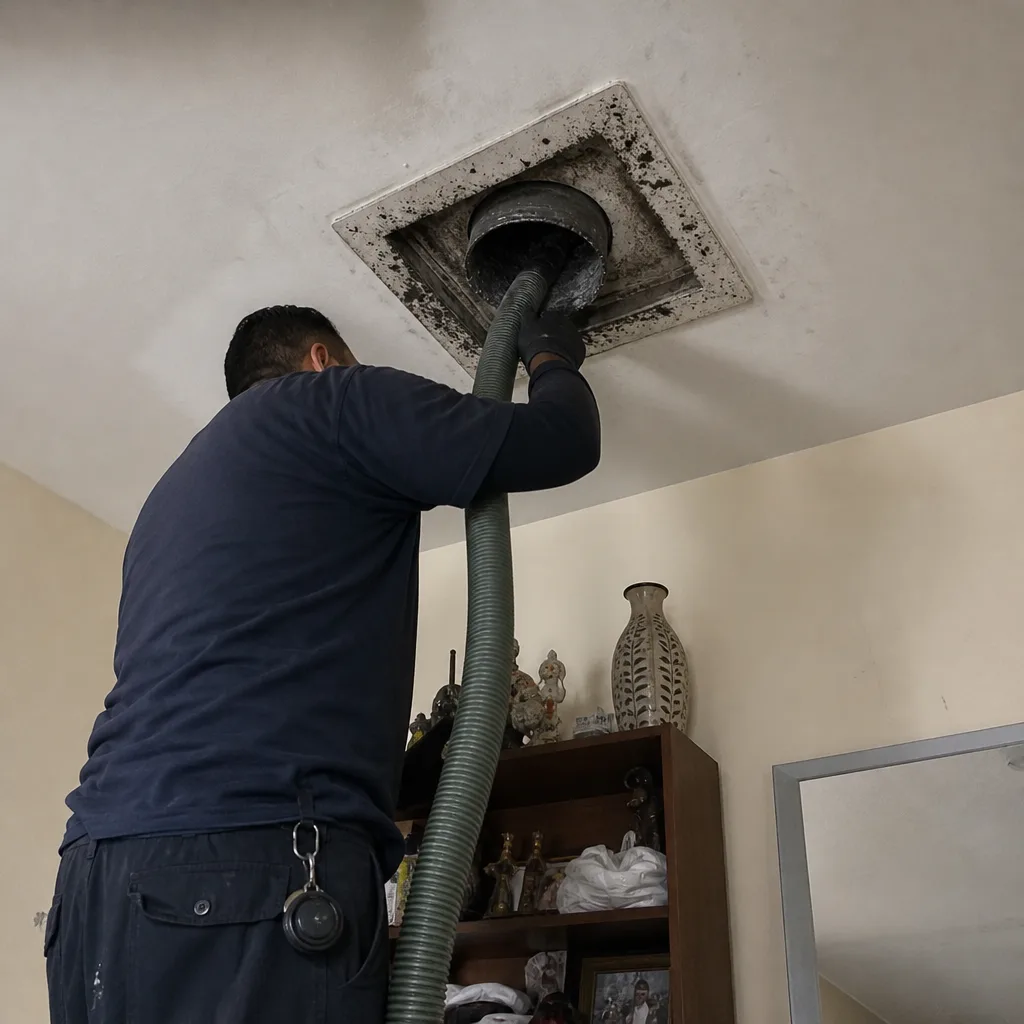 Before
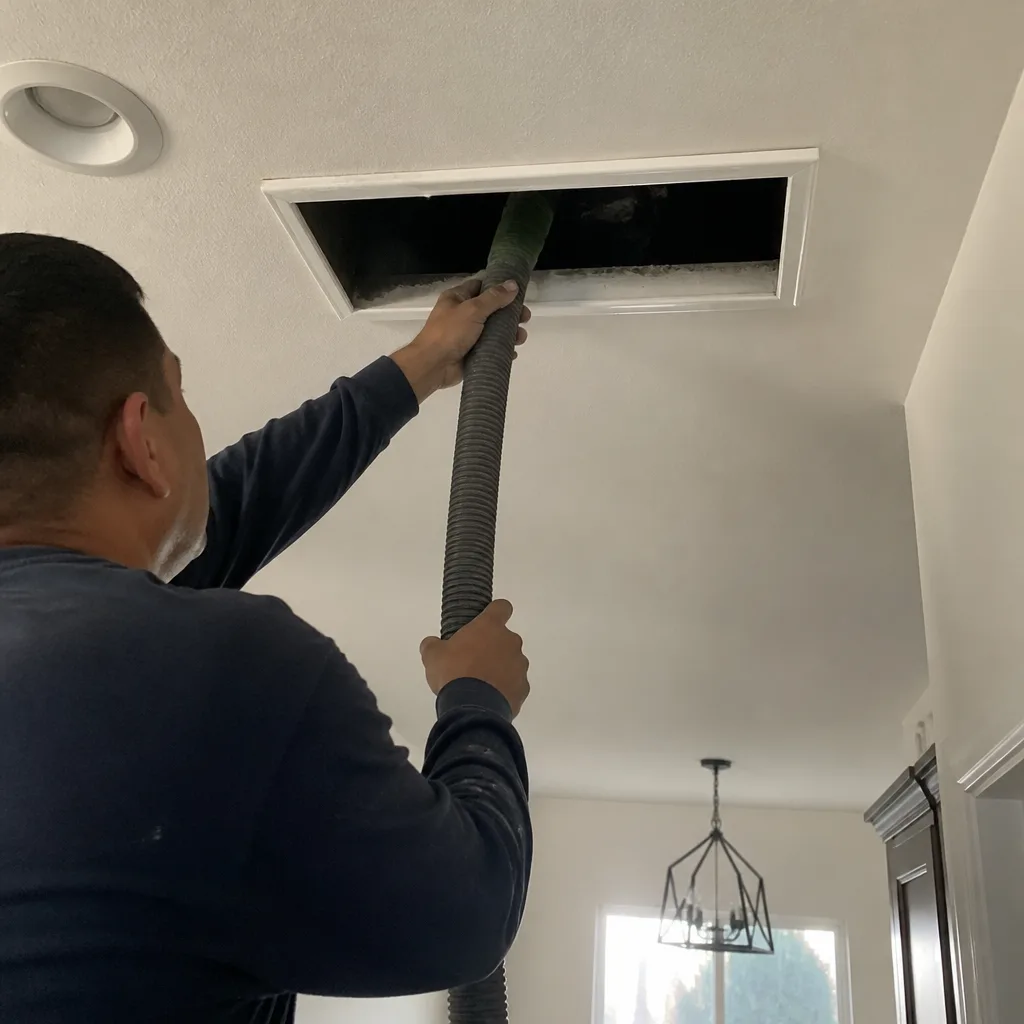 After