
Last updated November 2, 2026
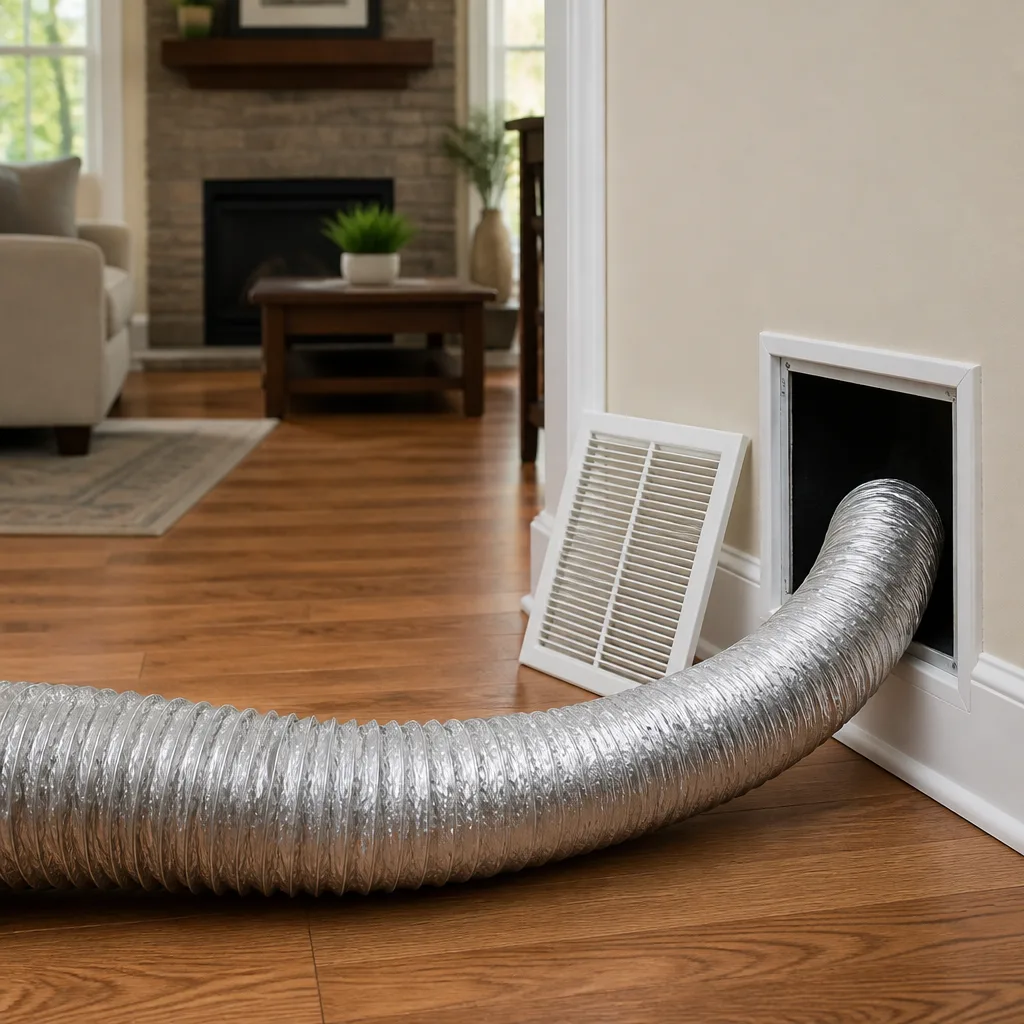 Whole-home duct cleaning
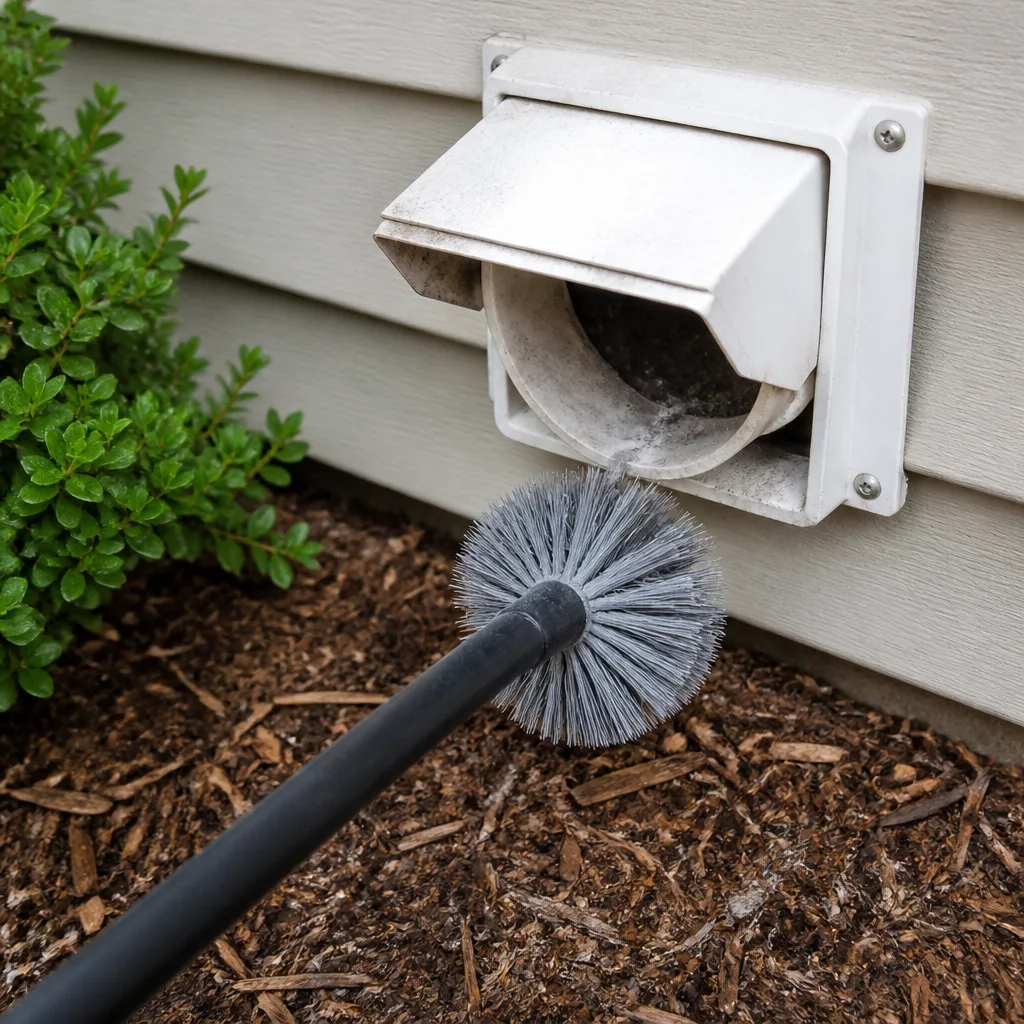 Dryer vent cleaning
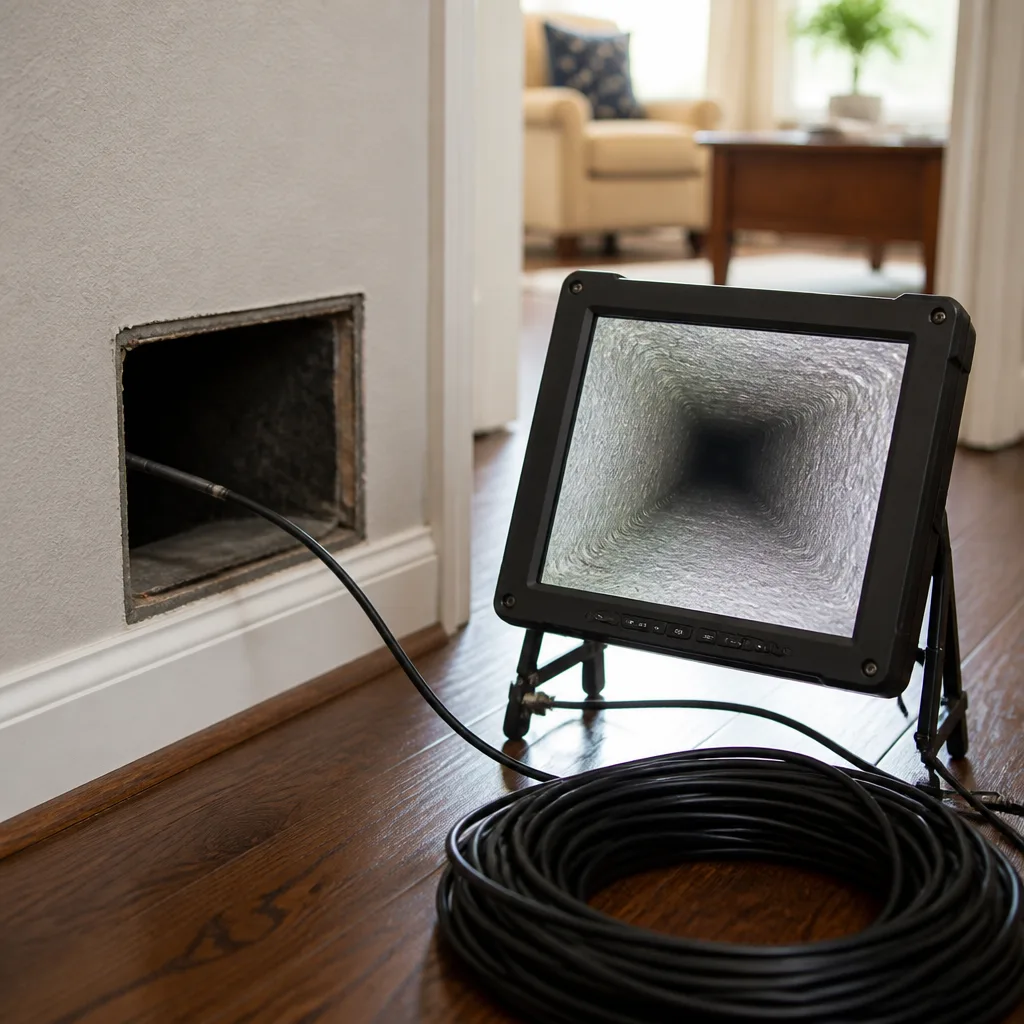 Camera inspection
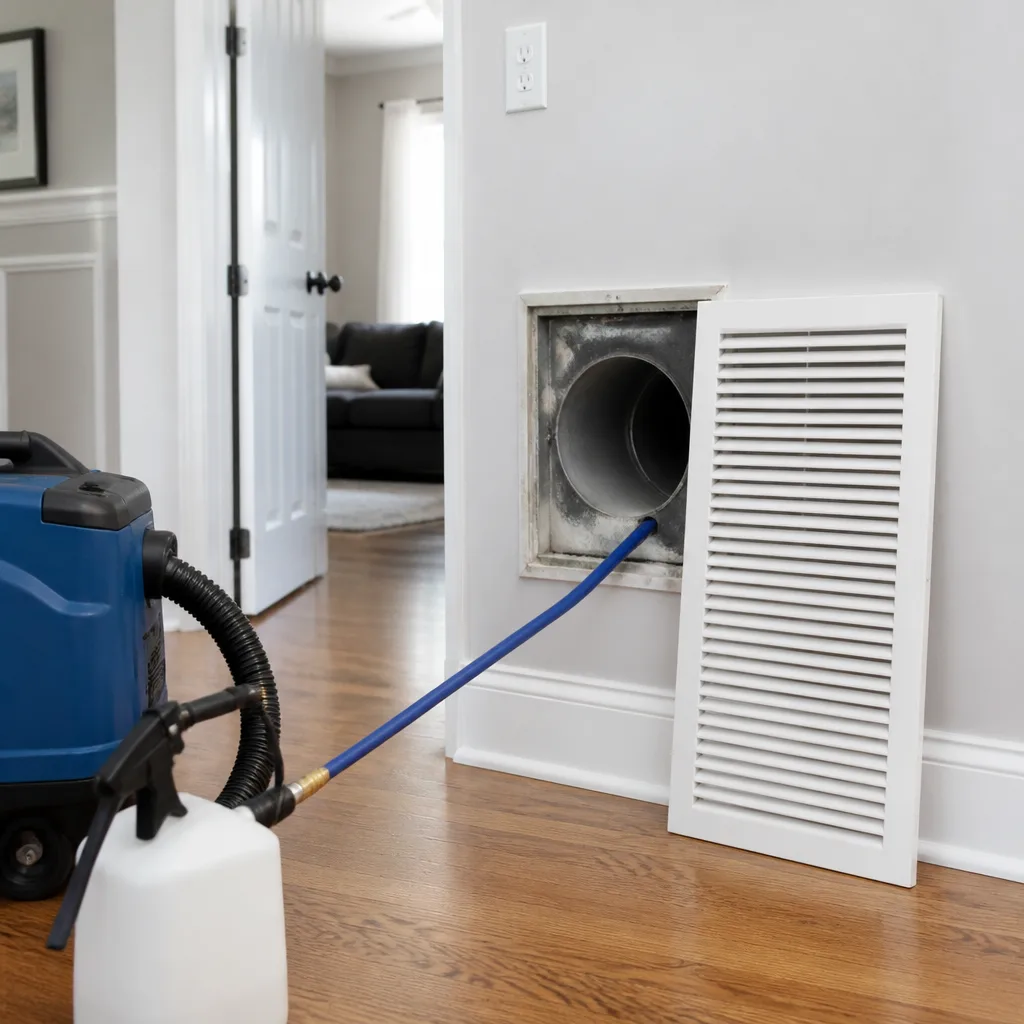 Sanitizing & deodorizing
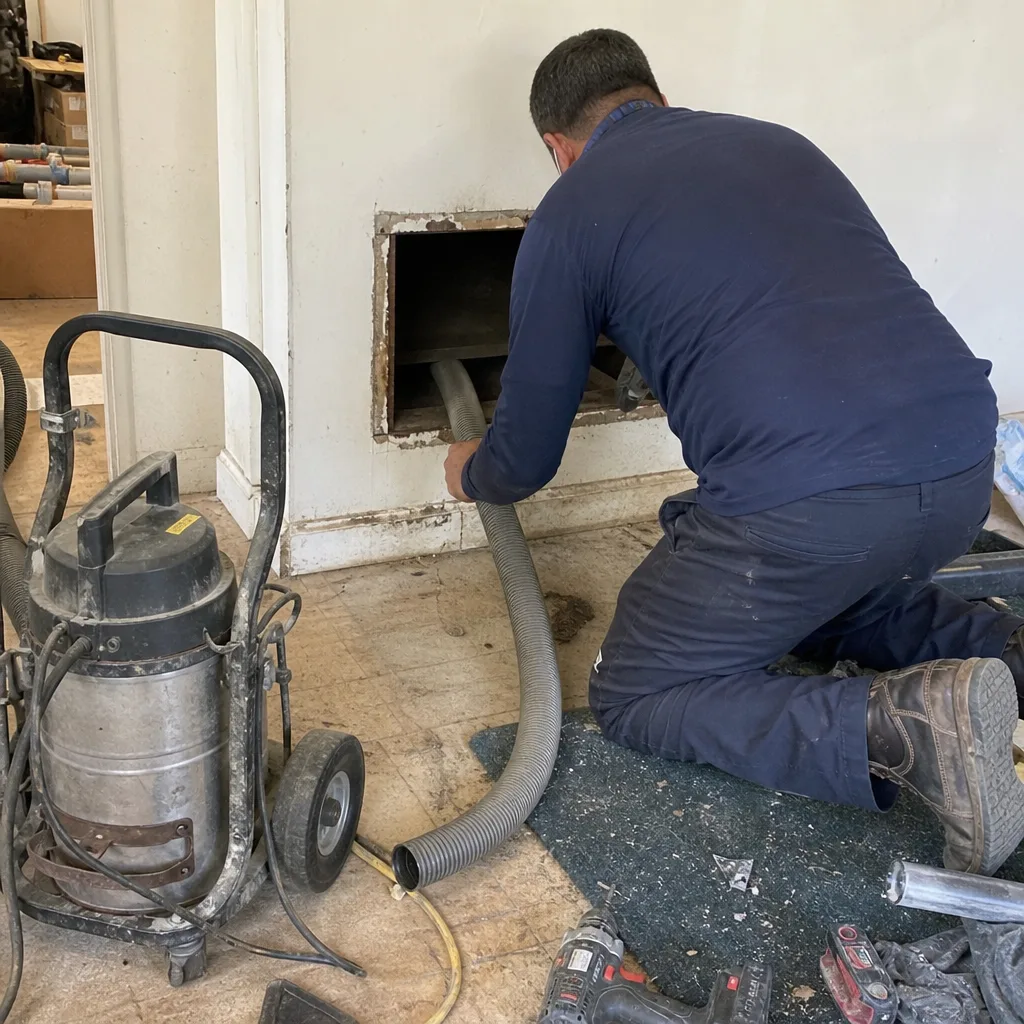
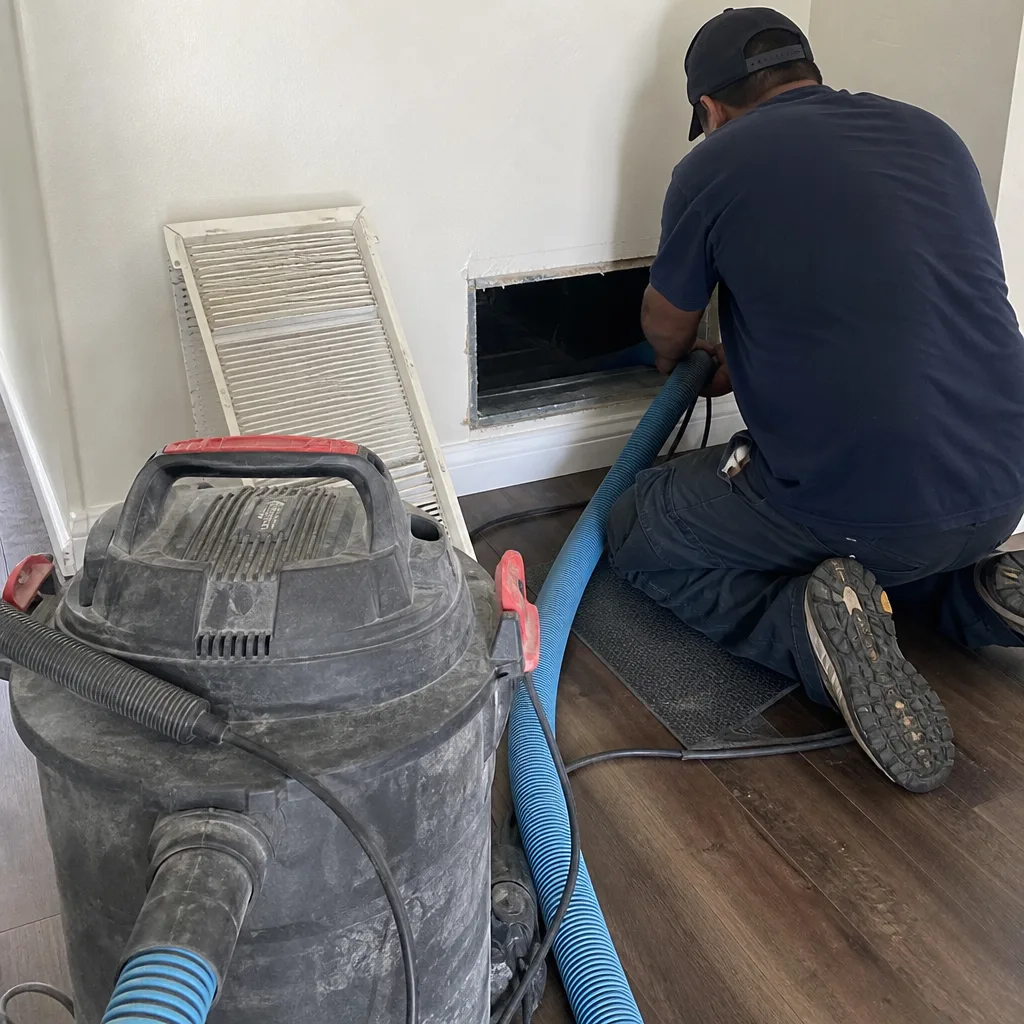
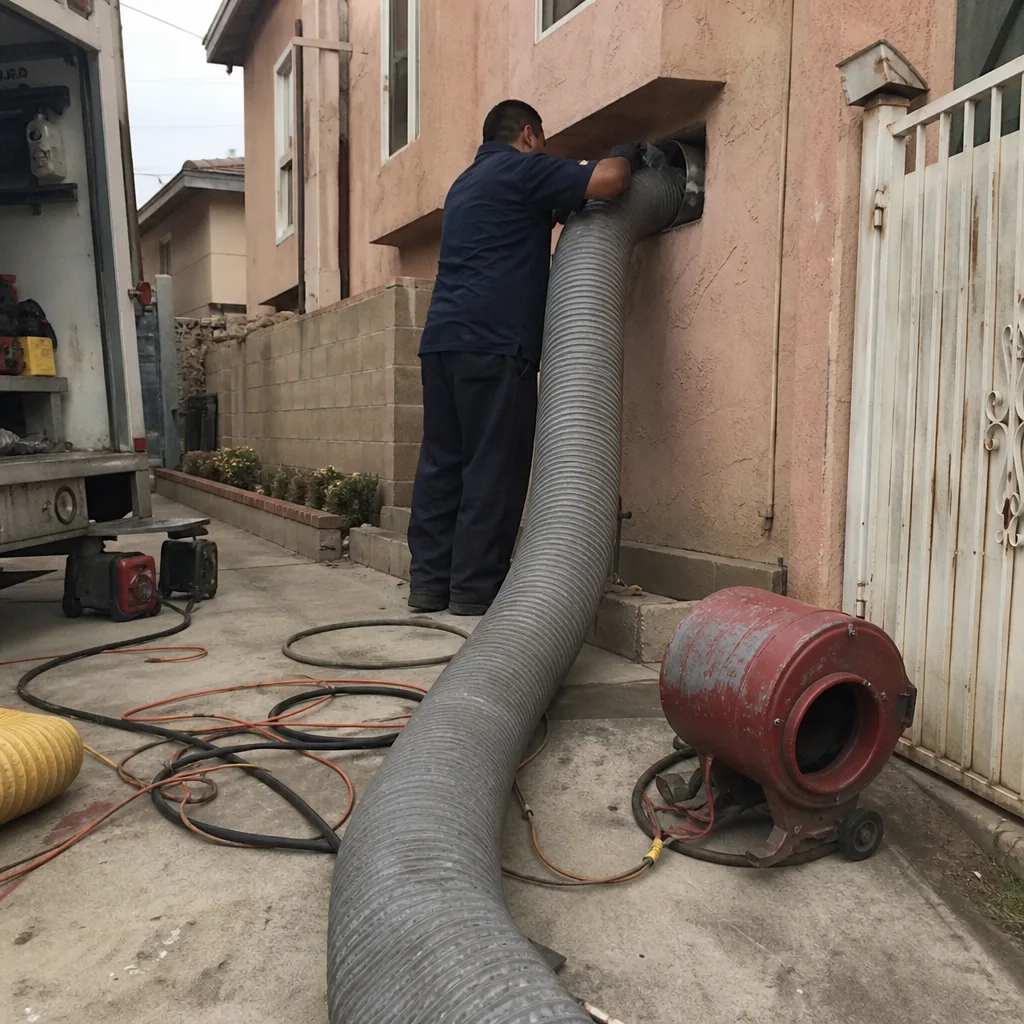
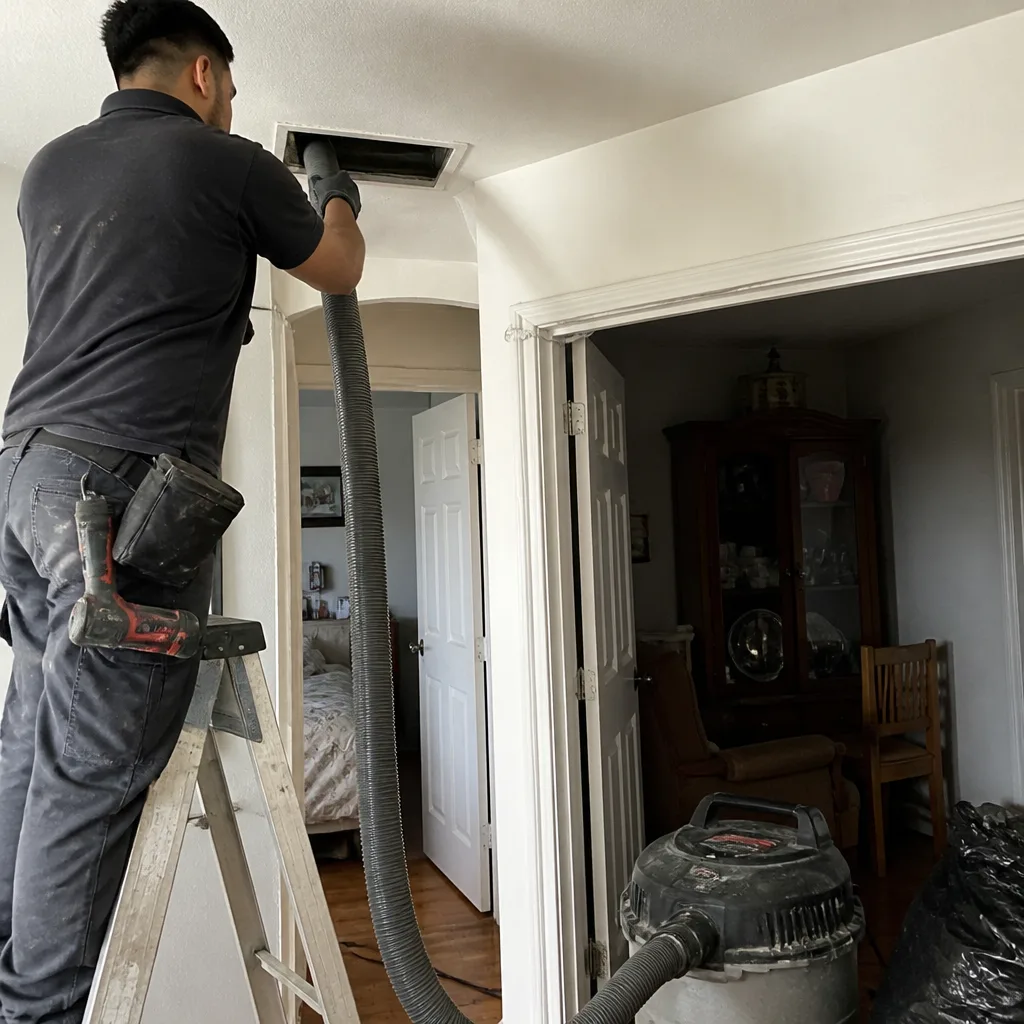
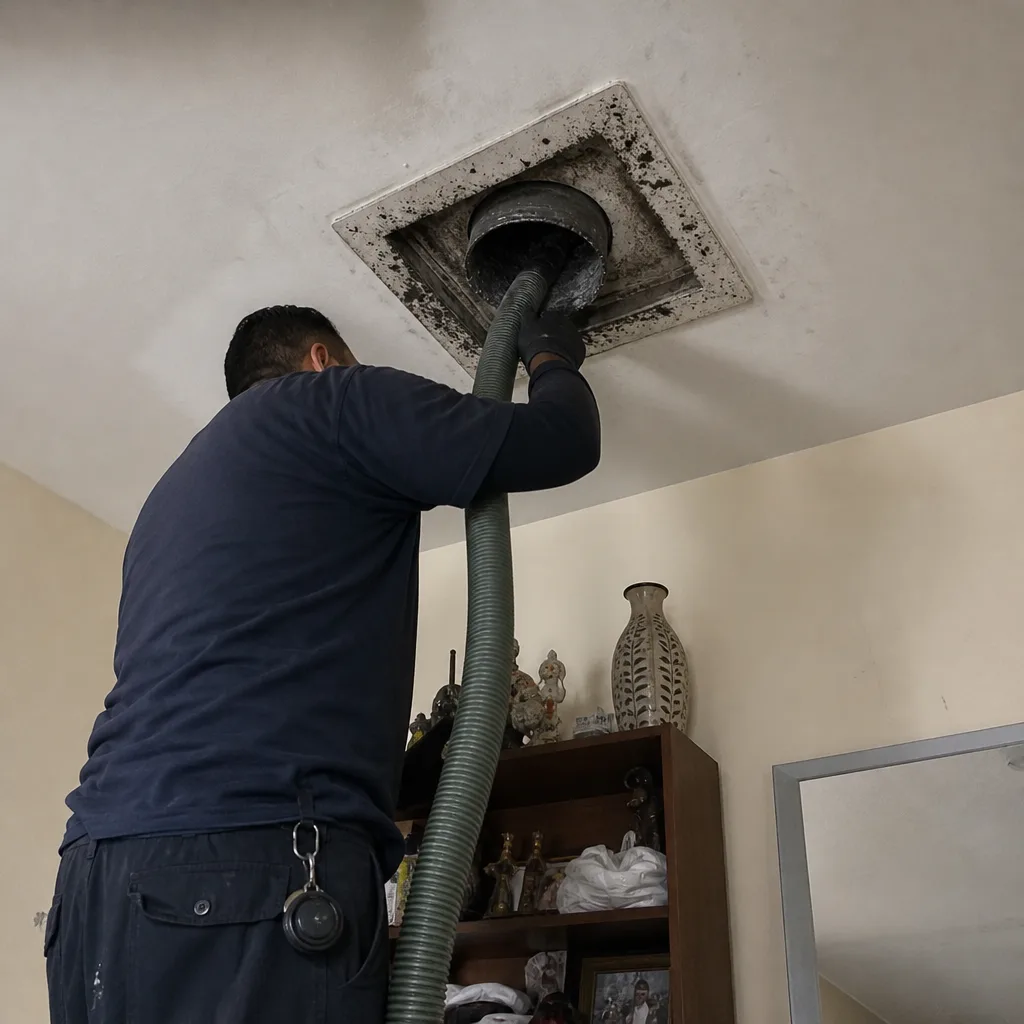
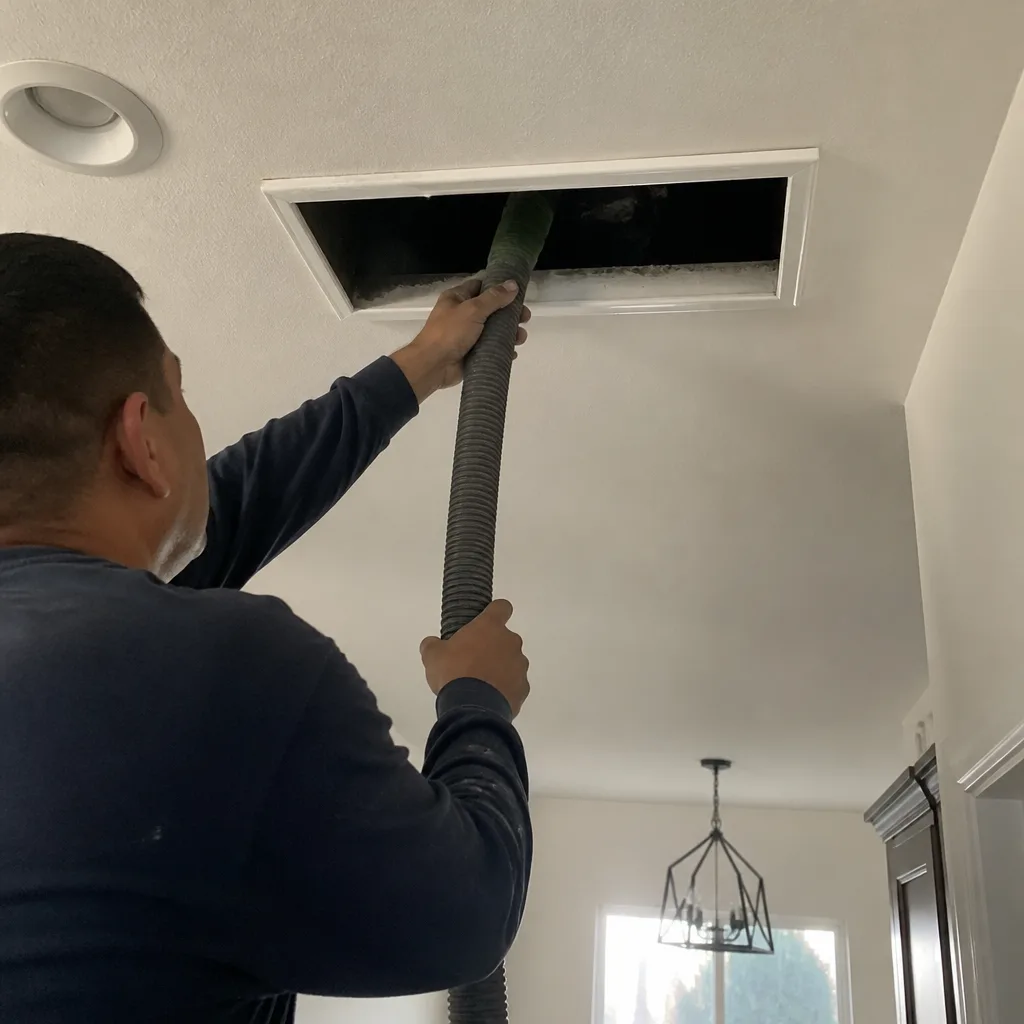
Whole-system duct and dryer vent check with before-and-after photos - you see exactly what came out of your vents
That "$99 whole-house special" is a bait ad - the real number appears once they are in your hallway, or the "clean" is a shop-vac at the register. We photograph the inside of your ducts before and after instead.
Air Duct Cleaning Maintenance Checklist for Boyle Heights Homeowners
A clogged return duct can force your HVAC system to work 15 to 20 percent harder before you notice any airflow change. By the time you feel the difference at the register, the motor strain has already accumulated. That strain translates into higher summer electric bills, shorter equipment life, and a system that never quite keeps up during a Boyle Heights heat wave. This guide gives you a practical, observation-based maintenance checklist you can actually use. We’ll cover what to look at monthly, what to document season by season, and when a maintenance issue has crossed the line into a cleaning or repair problem.
Styles & brands we work with
- Whole-home duct cleaning
- Dryer vent cleaning
- Camera inspection
- Sanitizing & deodorizing
Quick Answer
An air duct maintenance checklist for Boyle Heights homeowners should include monthly visual checks at supply registers, quarterly filter loading rate tracking, seasonal inspections tied to Santa Ana wind events and summer smog, and proper documentation of what you observe. These four habit groups catch most duct problems before they become expensive. When visible dust accumulation at registers returns within weeks of cleaning, that’s your cue to call a professional rather than keep changing filters.
Table of Contents
- Monthly Visual Checks at Registers: What Normal Looks Like
- Tracking Filter Loading Rate as a Duct Health Proxy
- Boyle Heights Seasonal Checkpoints: Santa Anas, Smog, and Rain
- What to Document: Photos, Dates, and Filter Notes
- Red Flags: When Maintenance Becomes a Cleaning or Repair Job
- Registers, Returns, and the Airflow-Pressure Relationship
- Maintenance for Homes with Honeywell and Aprilaire Systems
- Common Mistakes to Avoid
- When to Call a Professional
- Frequently Asked Questions
- The Bottom Line
Monthly Visual Checks at Registers: What Normal Looks Like
Every month, walk your home and look at every supply register and return grille you can reach. You don’t need tools for this. You’re looking for two things: the character of the dust and the pattern of the dust. Normal dust accumulation on a register face is light gray, uniform, and wipes away with a dry cloth. It takes several months to build up enough to notice. Red-flag dust is gray-black, clumped, or sticky to the touch. If you see dark particles collecting at the edges of the register within two weeks of wiping it down, that’s not normal surface dust. That’s material moving through your duct system.
The pattern matters more than the amount. Even dusting across the register face is typical. But if you see streaking, or dust concentrated only on one side of the opening, that points to uneven airflow in a specific duct run. In Boyle Heights homes, we often see this in older houses where original ductwork was never balanced. A register that always looks dirtier than its neighbors in the same room is telling you something about the air velocity and turbulence in that particular line.
Look at the wall and ceiling around the register too. A ghosting pattern, which is a dark outline that forms on the surface adjacent to the register, happens when fine particulates are being pulled across the surface by air movement. It’s common to see this on ceilings above supply vents. A light ghost line after months without cleaning is common in Boyle Heights because of ambient dust from the freeways and industrial corridors. A pronounced ghost line that returns within weeks of cleaning is a different matter. It means your supply air is carrying more particulate than a standard filter should allow through.
What to Check Monthly
- Register face dust color: gray is normal, gray-black is a warning sign
- Dust distribution pattern: even is fine, streaked or one-sided is not
- Wall ghosting around registers: light outline after months is common, dark reusable quickly is a red flag
- Condensation or rust on register faces: any moisture is a problem in dry Boyle Heights air
- Airflow feel: compare registers in the same room, a weak one may mean a disconnected or collapsed duct
Tracking Filter Loading Rate as a Duct Health Proxy
Your HVAC filter is the cheapest diagnostic tool you own. It’s the first surface air passes through before entering the blower and the supply ductwork. The rate at which your filter loads with debris tells you how much particulate is moving through your system. Here’s the method: install a new filter of the same brand and MERV rating you always use. Write the installation date on the filter frame with a permanent marker. Check it every two weeks. When it’s visibly loaded and ready to replace, note how many weeks it lasted.
In a typical Boyle Heights home, a standard 1-inch MERV 8 filter lasts about 60 to 90 days under normal operation. If your filter is loading to replacement level in 30 days or less, and you haven’t had unusual conditions like a renovation project or a Santa Ana dust event, that’s a signal your return ducts are pulling in debris from somewhere they should not be. Common culprits include a disconnected return line in the attic, a gap at the return plenum, or a return grille drawing air from an unfinished space.
Conversely, a filter that still looks nearly new after three months may indicate low airflow through the system, which could mean a closed damper, a kinked flex duct, or a filter rack that’s leaking air around the filter instead of through it. In our experience, filter loading rate is a more reliable early warning than anything else a homeowner can observe without specialized tools. Keep a simple log. Note the date installed, the date removed, and anything unusual about the conditions that month, like a heat wave or a wind event.
Boyle Heights Seasonal Checkpoints: Santa Anas, Smog, and Rain
Boyle Heights sits in the San Gabriel Valley air basin, and the air quality patterns here are predictable. Your maintenance calendar should track them. The Santa Ana wind season typically runs from September through November, with peak gusts in October. These offshore winds carry fine dust and particulates from the inland deserts directly into the Los Angeles basin. After a Santa Ana event, walk outside and look at your car. Whatever dust settled on your windshield is the same dust that entered your home through window gaps, door seals, and the fresh-air intake on your HVAC system.
Summer smog cycles are the second checkpoint. From June through September, ground-level ozone and fine particulate matter reach their highest concentrations in Boyle Heights. This is when your system does the most work and moves the most air. Filters load faster. Return ducts pull in more ambient particulate. If you’re tracking filter loading rate, expect summer to show the fastest loading. The system’s air filter becomes a more active filtering point during these months, which makes keeping it clean more important than during the winter heating season.
Post-rain mold risk is the third window. Boyle Heights gets most of its annual rain between December and March. After rain events, any moisture that has entered your duct system, through a roof leak, a crawlspace vapor issue, or condensation on uninsulated ductwork in an unconditioned attic, creates conditions for microbial growth. You won’t see mold inside ducts without a camera inspection, but you’ll often smell it. A musty odor that’s stronger when the system first starts running, then fades after a few minutes, is a classic sign of moisture in ductwork. In our experience, this is the smell homeowners describe as “the AC smells like wet towels when I first turn it on.”
Seasonal Maintenance Calendar for Boyle Heights
- September to November: After each Santa Ana event, check outdoor condenser and all accessible registers for excessive wind-blown dust
- June to September: Track filter loading rate weekly, expect faster loading, and note any airflow changes at registers
- December to March: After significant rain, check for musty odors at system startup and inspect any exposed ductwork in attics or crawlspaces for moisture staining
- April to May: Pre-summer inspection, confirm all registers are open, returns are unobstructed, and the filter is fresh before cooling season begins
What to Document: Photos, Dates, and Filter Notes
When you’re ready for professional Air Duct Cleaning in Boyle Heights, a technician’s first questions will be about what you’ve observed. Homeowners who bring documentation give their technician a diagnostic head start. Here’s what matters. Take photos of your filter when you remove it. Lay it on a light-colored surface and shoot straight down. A photo of a dirty filter tells a technician more than a verbal description, and a time-series of filter photos across six months is genuinely useful diagnostic history.
Keep a simple log. A notes app on your phone works fine. Record filter installation and removal dates, the filter brand and MERV rating, and any unusual conditions during that interval. Note things like “another Santa Ana week” or “kitchen renovation started” or “smelled musty at startup after the last rain.” Over time, patterns emerge that no individual observation would reveal.
Document register observations with photos too. If you see ghosting or streaking on a register face, photograph it before wiping it clean. If condensation appears on a register, photograph it. These images are specific, dated data points. When you call us for an Air Duct Repair in Boyle Heights assessment, that documentation helps us determine whether you’re looking at a maintenance matter or a structural issue. A technician who can see the progression of symptoms understands the problem faster than one who can only see the end state.
Red Flags: When Maintenance Becomes a Cleaning or Repair Job
Maintenance checklists exist to help you know when something needs professional attention. Here’s how to read the signs. If you wipe down a register face and it’s visibly dirty again within two weeks, you’re not dealing with ordinary household dust. That’s enough particulate moving through the duct system that filter maintenance and register wiping won’t solve the problem. Your ductwork itself is the source or the transport path, and no amount of register cleaning addresses it.
If you replace a filter and see loading to replacement level within 30 days, with no renovation or wind event to explain it, you have a duct leak on the return side. A return air leak pulls unfiltered air from unconditioned spaces into your system. You’re effectively paying to condition attic or crawlspace air, and you’re breathing whatever that unfiltered air carries. This is a duct repair situation, not a filter upgrade situation. Tightening the duct system addresses the cause.
If you smell musty odors at system startup that fade after a few minutes, you have moisture or microbial growth somewhere in the system. Cleaning may resolve surface contamination, but the underlying moisture entry point has to be fixed or the problem returns. Our team at Eastgate Air Duct Cleaning identifies both the contamination and the cause. We clean the system, and if we find gaps, disconnected sections, or damaged duct runs, we fix those too. That combination is what separates a resolution from a temporary cleanup.
Registers, Returns, and the Airflow-Pressure Relationship
Your HVAC system is a closed air loop. The blower pulls air through the return ducts, pushes it across the coil, and sends it out through the supply ducts. The system is designed for a specific airflow volume and pressure balance. When any part of that loop changes, the whole system compensates, usually in ways homeowners notice as discomfort or higher bills. A closed bedroom door with no return path creates positive pressure in that room. A closed supply register in an unused room creates pressure changes in the rest of the system. A dirty filter increases resistance on the return side, which reduces total airflow across the coil. Understanding this loop helps you read the symptoms more accurately.
One of the most common homeowner mistakes in Boyle Heights is closing supply registers in unused rooms to “save energy.” This is counterproductive. Closing registers doesn’t reduce the blower’s work. It increases static pressure in the duct system. Higher static pressure pushes more air through any leaks and makes the blower work harder against resistance. The energy savings from not conditioning an unused room are small, and the strain on the system is real. Leave registers open, even in rooms you rarely use.
Return airflow is equally important. If the return grille is blocked by furniture, rugs, or stored items, the system has to work harder to pull air. Walk your home and look at every return grille. There should be at least a few inches of clear space around it. In homes where a single central return serves the whole house, that return grille has to be fully unobstructed at all times. The pressure balance connecting the return side to the supply side is the reason filter loading rate, register patterns, and airflow feel are all useful diagnostic signals. They’re all readings of the same system health.
Maintenance for Homes with Honeywell and Aprilaire Systems
Some Boyle Heights homes go beyond the basic 1-inch filter with whole-home air quality components. Honeywell and Aprilaire make the two most common integrated systems we encounter in residential HVAC work here: media air cleaners, electronic air cleaners, whole-home dehumidifiers, and ventilators. These systems have their own maintenance needs that are easy to overlook if you’re only tracking your standard filter.
Honeywell electronic air cleaners use charged cells that need periodic washing, usually every one to three months depending on runtime and particle load. The prefilter that protects the electronic cells also needs regular replacement. If the prefilter is loaded and not replaced, the charged cells do less useful work and the system’s performance degrades silently. Aprilaire media air cleaners use deep pleated media filters, typically 4 to 5 inches thick, with replacement intervals of 6 to 12 months. The interval depends on fan runtime more than calendar time, so a Boyle Heights home that runs the AC constantly from June through September will load those media filters faster than the nominal rating suggests.
We service Honeywell and Aprilaire components as part of our air duct work because these systems sit inside the air path. When the duct system is clean and these components are maintained on schedule, the whole system works better. When they’re ignored, they become a restriction point in the air loop. If you own one of these systems and haven’t checked its maintenance needs in the last year, add that to your seasonal calendar. The maintenance is simple, and the performance difference is noticeable.
Common Mistakes to Avoid
- Changing the filter without recording the date. The filter itself becomes diagnostic data only when you know how long it’s been in use. A dirty filter with no date tells you nothing.
- Wiping register faces without looking at the dust pattern first. The pattern is the information. Wipe first, and you destroy the data that would have told you where to look next.
- Closing supply registers in unused rooms to save energy. This increases static pressure and strains the blower. The savings are minimal and the long-term cost is real.
- Running the system with a heavily loaded filter because you forgot to buy replacements. The system keeps running, but airflow drops and the blower works harder. Keep at least two spare filters in the house during summer.
- Assuming visible dust on furniture means the ducts need cleaning. Most household dust enters through open windows and doors, not the duct system. The duct-specific indicators are register ghosting, fast filter loading, and musty startup odors.
- Ignoring the return side completely. Most homeowners focus on supply registers, but the return side is where problems typically enter the system. A return duct leak pulls in unfiltered air continuously, and you’ll see it first in rapid filter loading.
- Waiting for airflow to feel weak before investigating anything. By the time airflow is noticeably reduced at the register, the problem has been compounding for months. The filter loading rate and register dust patterns tell you earlier.
When to Call a Professional
Call us when filter loading rate is faster than it should be for two consecutive cycles. Call when register dust returns within two weeks of cleaning, especially if it’s dark or clumped. Call when you smell musty air at system startup after rain events. Call when you see moisture, rust, or condensation on any register or on exposed ductwork in the attic. And call when you hear new sounds from the system: rattling, banging, or a change in blower tone. These are not maintenance items. They’re symptoms that need eyes and equipment on site. Eastgate Air Duct Cleaning offers free estimates in Boyle Heights. We bring professional-grade Rotobrush and Nikro equipment to every job, and if we find damaged ductwork, we repair it. Call (855) 382-4682 to schedule.
Frequently Asked Questions
Most Boyle Heights homes benefit from professional air duct cleaning every 3 to 5 years, but the real answer depends on what your filter loading rate and register observations tell you. Homes near the freeway corridors or industrial zones may need more frequent attention. If your filter is loading at replacement level in under 30 days and your register dust returns within two weeks, your duct system is telling you it needs cleaning sooner. Call (855) 382-4682 for a free estimate based on your specific observations, not a generic calendar.
Register dust returning within two weeks, filter loading in under 30 days, musty air at startup, and visible dust blowing from supply vents when the system kicks on are all signs you need cleaning, not another filter. A filter change addresses what’s coming into the system before it gets to the blower. It cannot address what’s already inside the duct runs or what’s entering through leaks in the ductwork itself.
Not necessarily after every event. Santa Ana winds do increase the particulate load in Boyle Heights air, and your filter will load faster. But if you track your filter and it’s loading normally after the dust settles, a professional cleaning probably isn’t needed. Wait until your observations show the signature signs: fast filter loading, quick register dust return, or visible particulate from the vents.
Consumer-grade vacuums cannot generate the airflow or reach the full length of a residential duct run, and attempting a DIY approach typically loosens debris and sends more of it into your living space. Professional duct cleaning uses negative air pressure throughout the system with equipment like the Rotobrush and Nikro machines we run. The system stays under negative pressure while cleaning, which contains the debris. Call (855) 382-4682 and we’ll explain our process before you book anything.
Whole-system air duct cleaning in Boyle Heights typically runs between $400 and $800 depending on home size, number of systems, and duct accessibility. We quote one flat price per system before work starts, based on what we find during the estimate. There’s no per-vent pricing and no surprise add-ons. If we find duct damage during the process, we’ll show you photos and quote repairs separately. Call (855) 382-4682 for a free estimate.
Duct cleaning removes accumulated debris, dust, and particulate from the interior of your duct system. Duct repair addresses structural problems: gaps, disconnected sections, crushed flex lines, or leaking connections that allow unfiltered air into the system. We do both. Air duct cleaning fixes what’s inside the ducts. Air duct repair fixes the ducts themselves. A home that needs repair but only gets cleaning will show the same symptoms again within months.
Yes. Dryer vent cleaning is a separate service with a separate schedule. The U.S. Fire Administration recommends dryer vent cleaning at least once a year, and homes with long vent runs, multiple elbows, or frequent dryer use may need it more often. Lint buildup inside a dryer vent is a fire hazard because it is highly flammable and restricts airflow that is supposed to carry heat and moisture outside. We treat dryer vent cleaning in Boyle Heights as a dedicated service, not an afterthought. Call (855) 382-4682 for a free dryer vent assessment.
The Bottom Line
A useful air duct maintenance checklist is built around observation, not arbitrary calendar intervals. Monthly register checks, filter loading rate tracking, and seasonal awareness of Boyle Heights conditions like Santa Anas, summer smog, and post-rain moisture give you a clear picture of your system’s health. Documentation of what you observe makes professional diagnosis faster and more accurate. When symptoms cross from maintenance territory into contamination or structural problems, the right move is a professional evaluation. We clean ducts, we clean dryer vents, and we repair duct damage when we find it. If you’ve been tracking symptoms and they point to your ductwork, call (855) 382-4682 for a free estimate in Boyle Heights.
Written by the team at Eastgate Air Duct Cleaning, serving Boyle Heights since 2015.
See the difference
 Before
 After
 Before
 After
 Before
 After