
Last updated November 2, 2026
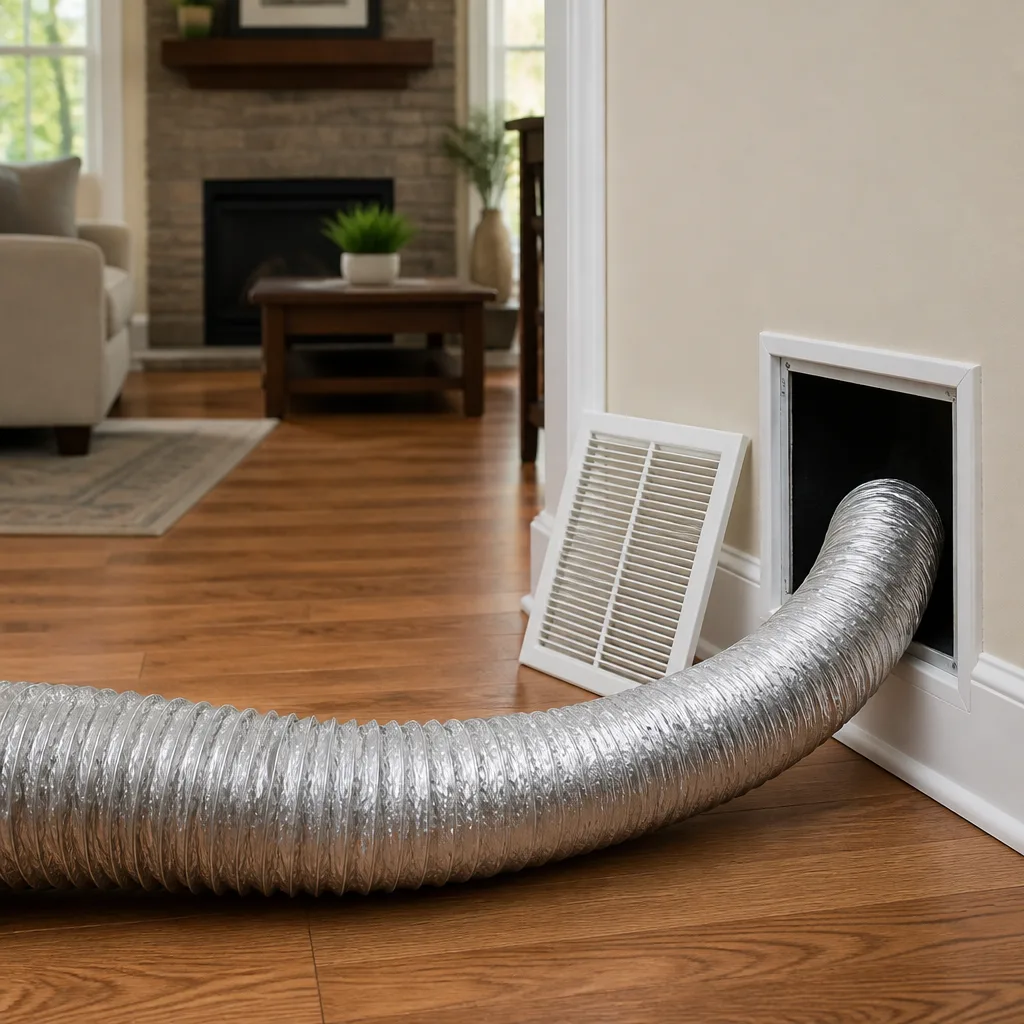 Whole-home duct cleaning
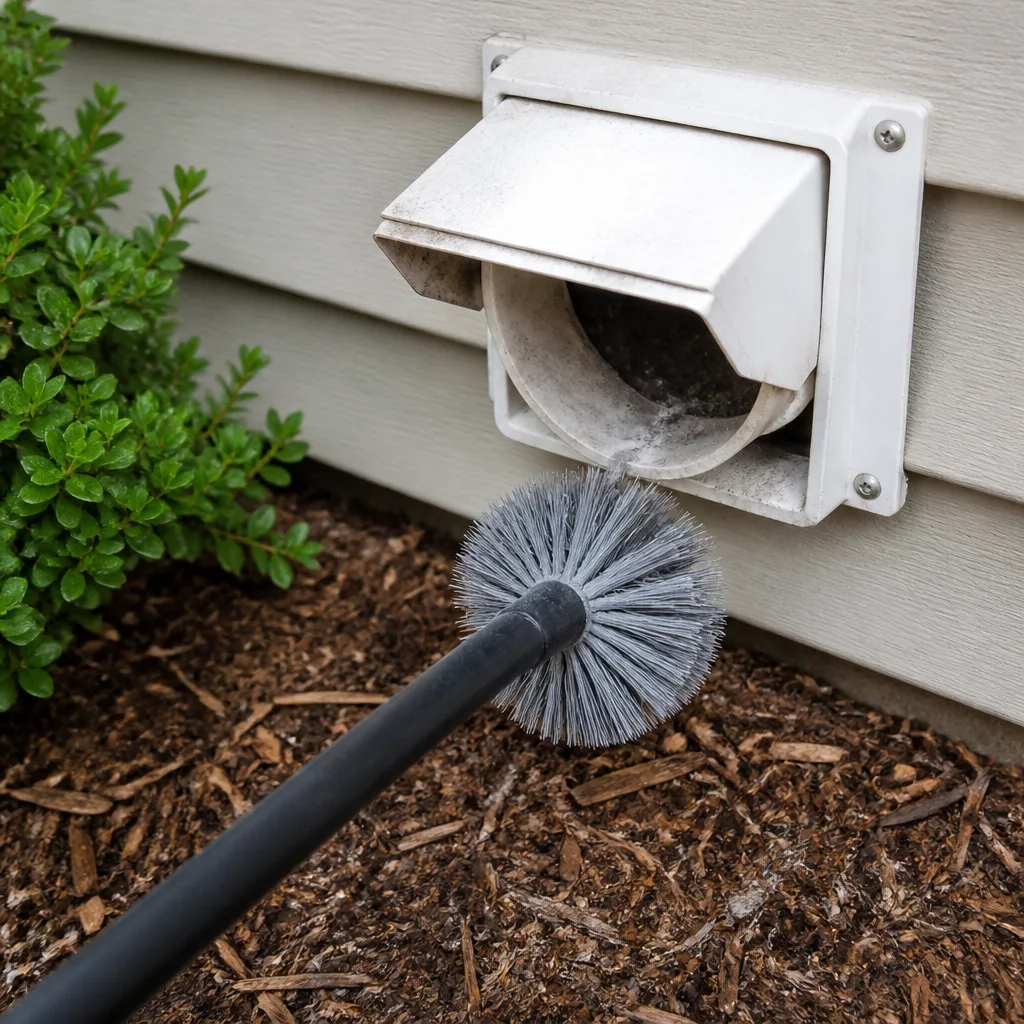 Dryer vent cleaning
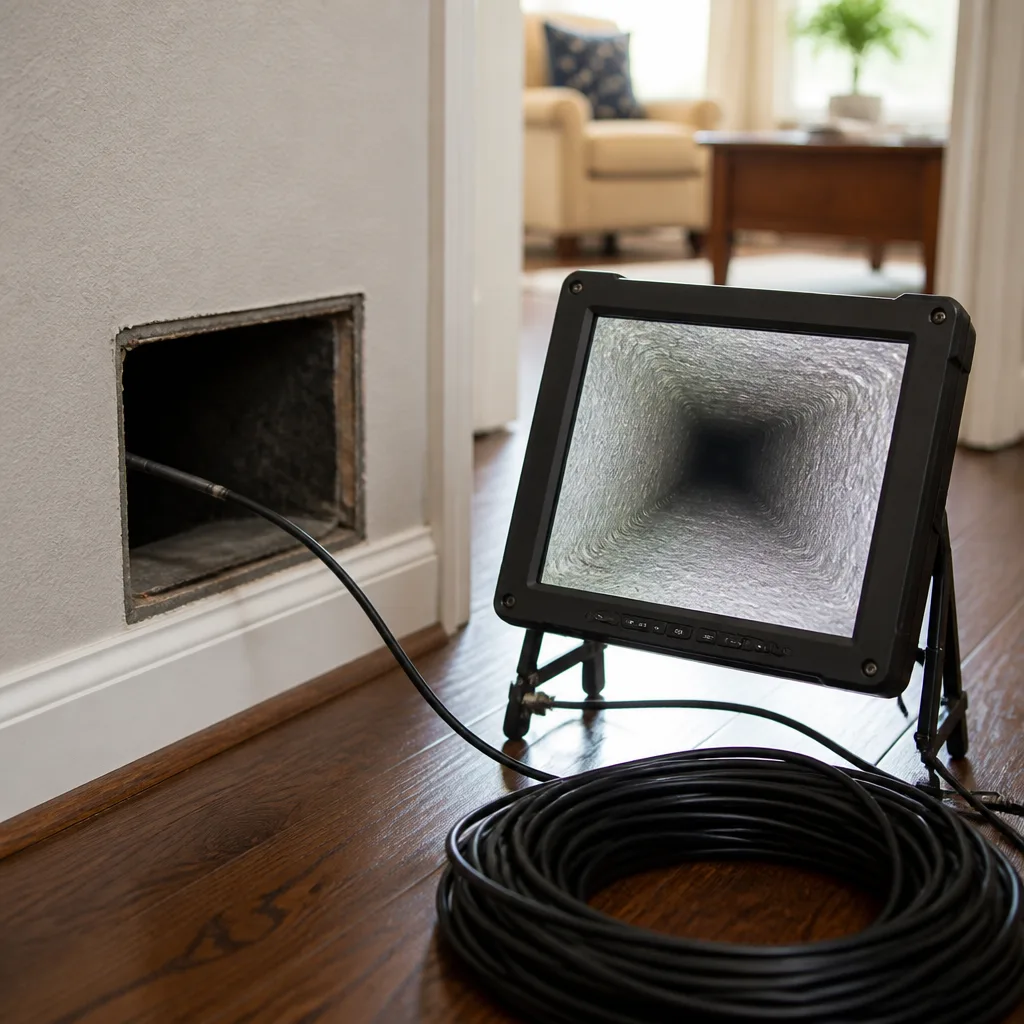 Camera inspection
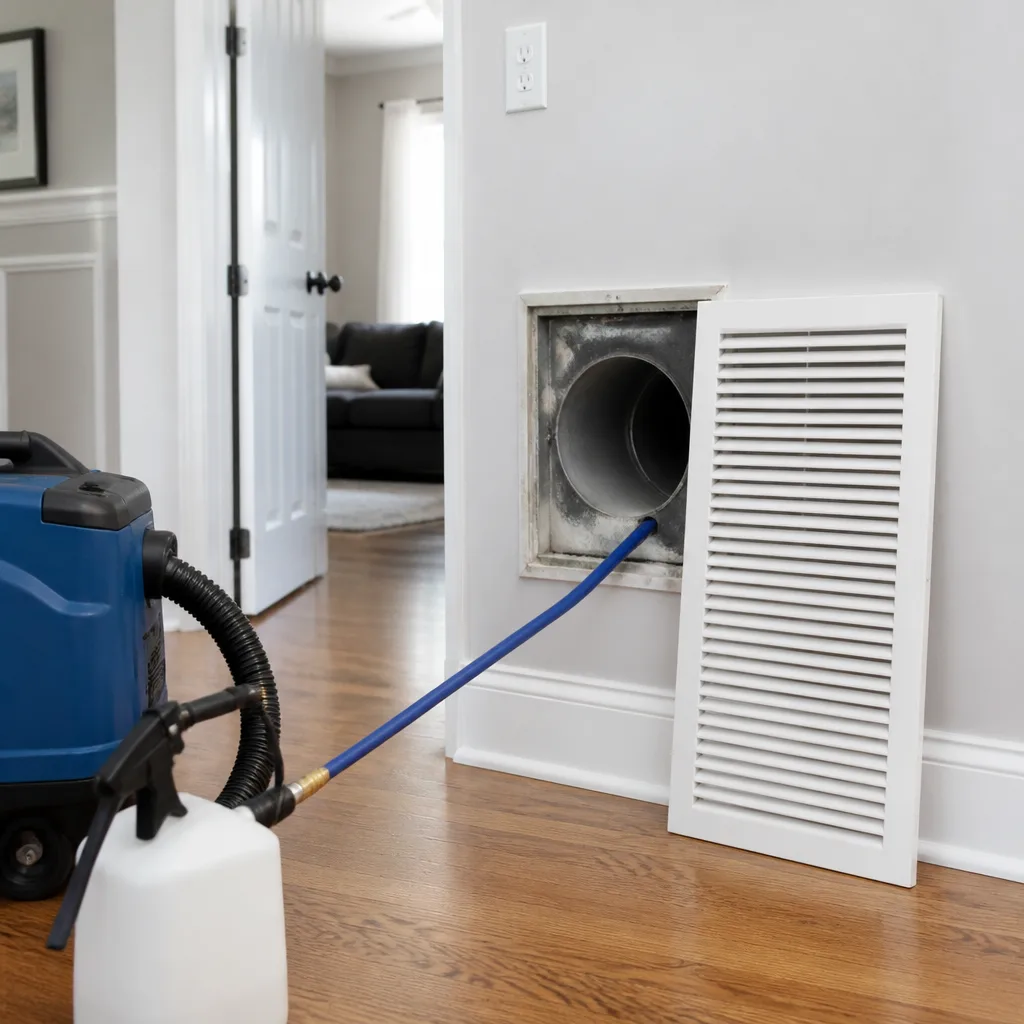 Sanitizing & deodorizing
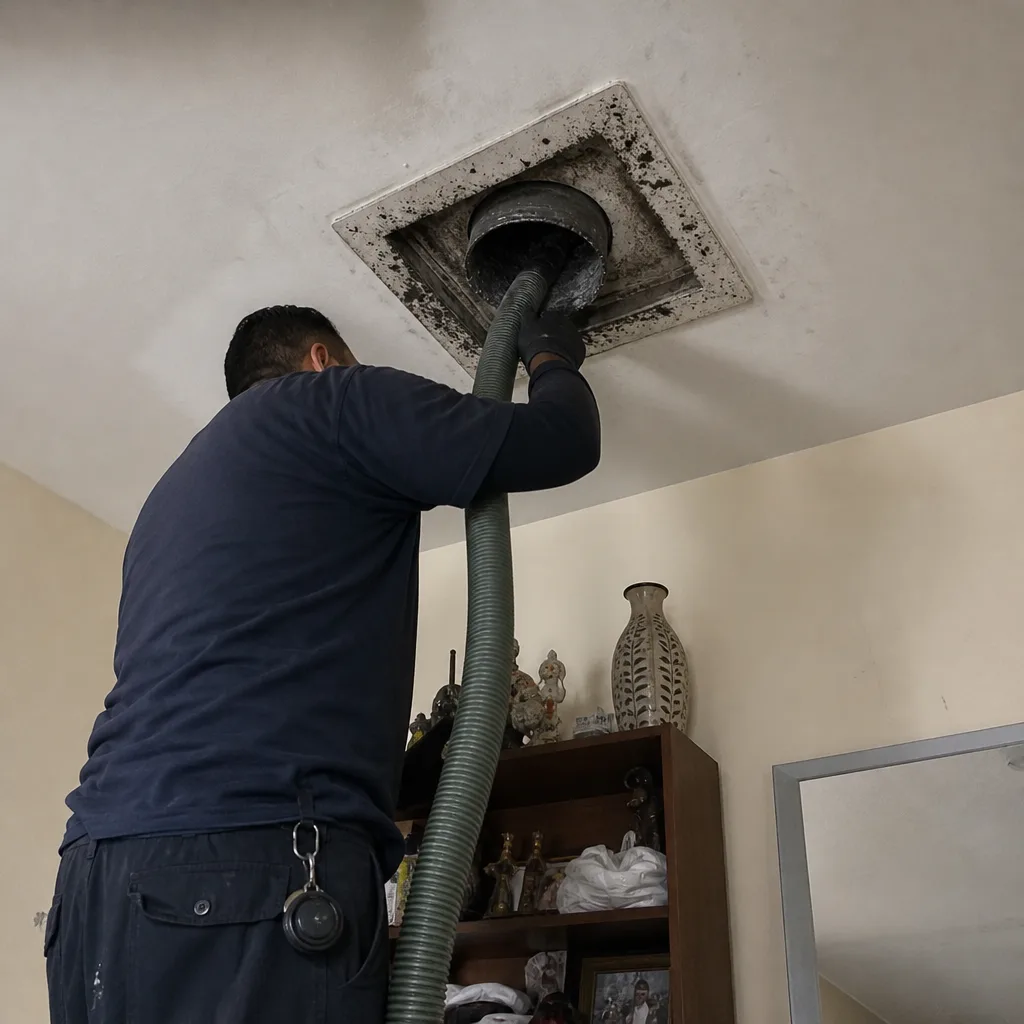
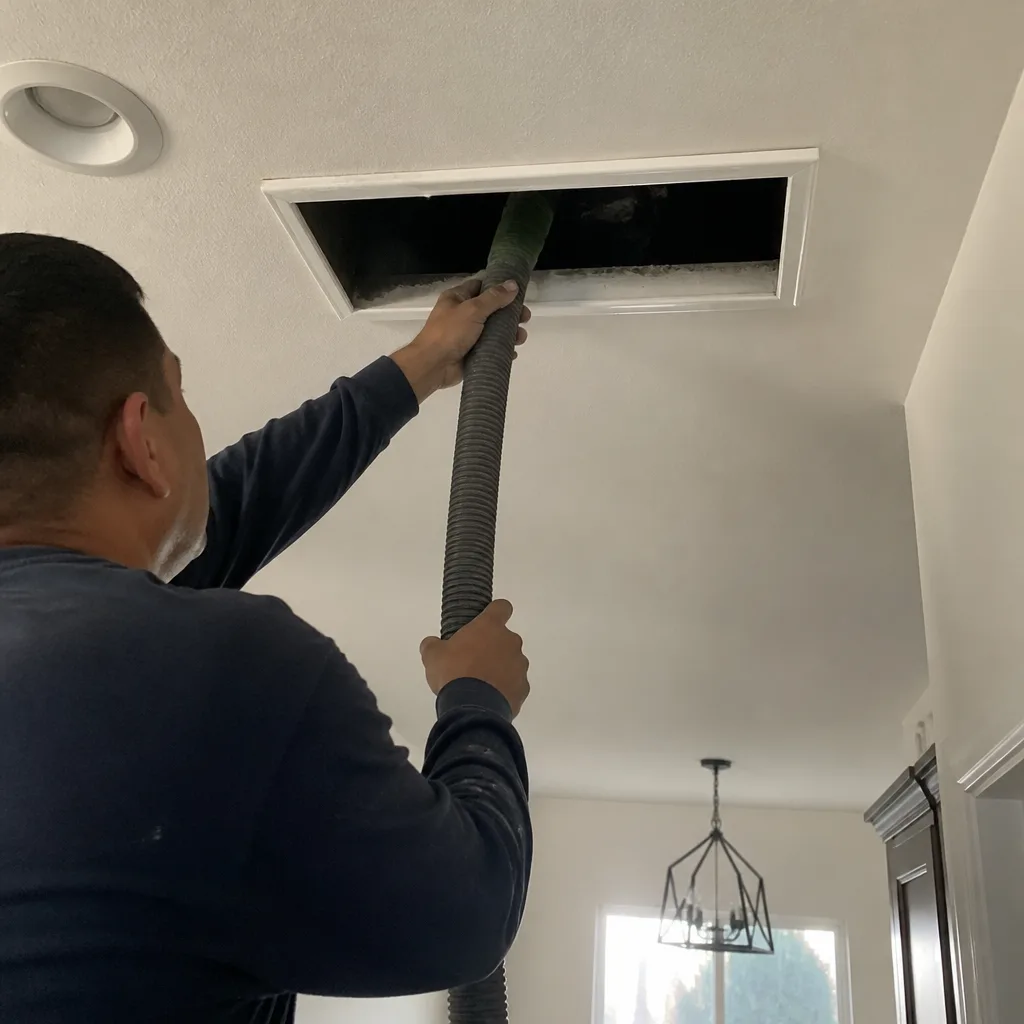
Whole-system duct and dryer vent check with before-and-after photos - you see exactly what came out of your vents
That "$99 whole-house special" is a bait ad - the real number appears once they are in your hallway, or the "clean" is a shop-vac at the register. We photograph the inside of your ducts before and after instead.
DIY vs Professional Air Duct Cleaning: The Boyle Heights Homeowner’s Decision Guide
A shop vacuum moves air at roughly 80 to 120 cubic feet per minute. Professional truck-mounted duct cleaning equipment operates at 10,000 CFM or more. That’s not a marginal difference – it’s a hundredfold gap. No amount of homeowner effort closes it. This guide explains what you can reasonably do yourself in a Boyle Heights home, what requires professional equipment, and how to tell the difference before you spend money or waste a weekend. We’ll cover costs, equipment realities, safety lines, and the specific scenarios where calling a specialist isn’t just the better option – it’s the only responsible one.
Styles & brands we work with
- Whole-home duct cleaning
- Dryer vent cleaning
- Camera inspection
- Sanitizing & deodorizing
Quick Answer
DIY air duct cleaning is limited to register and grille cleaning, accessible flex duct inspection, and brushing the first few feet of a dryer vent. True source-removal duct cleaning requires negative-pressure equipment that generates at least 10 times the airflow of any consumer vacuum, which is why professional cleaning in Boyle Heights typically costs between $350 and $650 for a full system while delivering results that DIY methods cannot physically achieve.
Table of Contents
- What DIY Can Actually Do
- Why Negative Pressure Is the Dividing Line
- When Professional Cleaning Is Non-Negotiable
- What DIY Equipment Rental Actually Costs vs Professional Cleaning
- Using DIY Cleaning as a Monitoring Tool
- The Equipment Gap: What Professionals Use in Boyle Heights
- Common Mistakes to Avoid
- When to Call a Professional
- Frequently Asked Questions
- The Bottom Line
What DIY Can Actually Do
Before we tell you what doesn’t work, let’s be clear about what does. Homeowners in Boyle Heights can meaningfully improve their indoor air quality with a few hours of work, provided they stay within specific boundaries. The key is understanding that you’re cleaning surfaces you can see and reach, not the interior of duct runs.
Register and Grille Cleaning
Remove the supply and return registers from walls, floors, and ceilings. Soak them in warm water with dish soap, scrub with a stiff brush, and dry them thoroughly before reinstalling. Use a vacuum with a crevice tool to remove loose debris from the register boot – the opening where the register sits – reaching no more than 6 to 8 inches into the boot. This is safe, effective, and should be done twice a year in Boyle Heights, where older homes near the 5 and 101 freeways accumulate fine particulate from traffic.
Accessible Flex Duct Visual Inspection
In many Boyle Heights homes, especially those built before 1990, flexible duct sections are visible in attics or crawl spaces. You can inspect these for obvious failures: disconnected segments, crushed sections, tears in the outer jacket, or visible gaps at connection points. If you find damage, that’s a repair issue. Cleaning won’t fix it. This is where Air Duct Repair in Boyle Heights becomes relevant – gaps and disconnections are structural problems that require sealing or replacement, not surface cleaning.
Dryer Vent Brushing (First 6 Feet Only)
Disconnect the dryer vent from the back of the dryer and use a vent brush kit to clean the first 4 to 6 feet of duct if it’s accessible and runs in a straight line. Remove the exterior vent hood and clear visible lint. This addresses a real fire hazard in Boyle Heights homes, where older laundry setups often route through walls with multiple bends. Anything beyond that first accessible stretch – especially vertical runs or roof terminations – belongs to a professional. Dryer Vent Cleaning in Boyle Heights covers the full run, including the sections you can’t see or reach.
What this means in practice: Your DIY time is best spent on the endpoints of your system – registers, grilles, vent hoods, and visible connections. These are high-contact surfaces that collect dust, pet hair, and cooking residue. They’re also the parts you can clean without risking damage to the system.
Why Negative Pressure Is the Dividing Line
The technical reason DIY duct cleaning fails to achieve source removal comes down to pressure differential. When professionals clean ducts, they create negative pressure inside the duct system using a high-CFM vacuum unit connected to the trunk line. This negative pressure does two things: it prevents loosened debris from blowing into your living space, and it pulls the loosened debris out of the system entirely.
A shop vacuum cannot do this. Here’s why:
- Airflow volume is insufficient. At 80 to 120 CFM, a shop vac cannot move enough air through a duct run to carry loosened debris back to the vacuum. The debris simply settles again further down the line.
- No containment. Without negative pressure, brushing or agitating debris inside a duct sends fine particulates into the air stream – and then into your rooms when the HVAC system runs.
- Reach is physically limited. A shop vac hose extends perhaps 8 to 10 feet into a duct. The average Boyle Heights home has duct runs of 20 to 40 feet, with multiple bends, transitions, and branches.
Imagine trying to vacuum a 30-foot hallway through a 2-inch hose while standing at one end. Now add turns, vertical risers, and a fan inside the hallway blowing dust around. That’s the DIY duct cleaning scenario. The equipment is doing something, but it’s not doing the thing that matters: extracting debris trapped throughout the system.
Professional equipment from manufacturers like Rotobrush and Nikro pairs high-CFM negative air with rotating brush systems that physically dislodge debris from duct walls while the air stream carries it out. This combination – mechanical agitation plus sufficient airflow – is what produces actual source removal. One without the other fails. A rotating brush on a drill without adequate suction just polishes dust into the duct walls. A high-CFM vacuum without agitation misses the debris adhered to surfaces.
When Professional Cleaning Is Non-Negotiable
There are four scenarios where no amount of DIY effort is appropriate, and attempting it can make the situation worse. If any of these apply to your Boyle Heights home, skip the hardware store and call a specialist.
- Post-renovation debris. After drywall work, flooring replacement, or any construction that produces fine dust, the HVAC system is filled with particulate that can damage the blower motor and coat every interior surface. In Boyle Heights, where many homes underwent renovations during the 2010s housing boom, this is a common hidden problem. Drywall dust is abrasive and fine enough to pass through standard filters. It requires full-system extraction with HEPA filtration.
- Visible mold growth. If you can see mold on duct surfaces or smell a persistent musty odor from the vents, cleaning is not the same as remediation. But attempting to clean mold with household tools will spread spores throughout the home. Professional cleaning with HEPA filtration – the class of equipment made by Abatement Technologies – contains and removes spores rather than dispersing them.
- Rodent or pest intrusion. If there is evidence of rodents in the ducts – droppings, nesting material, chewing sounds – this is a contamination issue that requires professional removal, duct sanitation, and often repair of entry points. In Boyle Heights, where older homes have crawl spaces and attics adjacent to duct runs, rodent intrusion is a recurring issue during fall and winter months.
- Unknown service history. If the home is more than 15 years old and there are no records of professional duct cleaning, the system has accumulated years of dust, skin cells, pet dander, and construction debris. This is not a surface issue. In our experience with Boyle Heights homes, duct systems that have never been professionally cleaned reveal significant accumulation even when registers appear clean from the outside.
What DIY Equipment Rental Actually Costs vs Professional Cleaning
The cost question deserves honest math. We hear from homeowners who believe professional duct cleaning is too expensive, but they’ve never priced out a proper DIY attempt. Here’s what a realistic DIY setup costs in the Boyle Heights area:
- Ladder and drop cloths: $45 to $90 (if you don’t already own them)
- Vent brush kit and extension rods: $35 to $75
- Inspection camera or borescope: $45 to $120 (needed to see what you’re actually cleaning)
- High-quality respirator: $25 to $50 (N95 masks are not sufficient for this work)
- HEPA-rated shop vacuum or rental duct cleaning unit: $60 to $150 per day
Total: roughly $210 to $485. And this buys you the ability to clean perhaps the first few feet of accessible duct, with no way to verify the interior condition of the remaining 80% of the system.
A professional air duct cleaning in Boyle Heights typically runs between $350 and $650 for a full system, depending on square footage and the number of supply runs. That price includes:
- Professional-grade negative air equipment that produces the CFM necessary for actual source removal
- Rotating brush systems that physically dislodge adhered debris from duct walls
- Containment procedures that prevent debris from entering living spaces during cleaning
- Inspection before and after with visual documentation
- Identification of damage, gaps, or disconnections that cleaning alone won’t fix
What DIY money buys is effort and partial access. What professional money buys is full-system extraction with verification. When you factor in the time investment – a homeowner attempting this alone can easily spend an 8-hour day – the equation tilts further toward professional service for anything beyond register-level maintenance.
Using DIY Cleaning as a Monitoring Tool
The smartest use of DIY duct cleaning in a Boyle Heights home is not as a substitute for professional service but as a monitoring protocol between intervals. Here’s a step-by-step approach that leverages what you can do well:
- Clean all registers and grilles every 6 months. Remove, wash, dry, reinstall. While the register is off, vacuum the boot opening to remove loose debris.
- Photograph the register boot interior. Use your phone camera with flash. You’re looking for visible dust accumulation on the boot walls, which indicates what’s moving through the system.
- Inspect visible flex duct in the attic or crawl space every spring and fall. Look for sagging sections, crushed spots, disconnected joints, or tears. These are repair issues that affect efficiency and air quality.
- Check the filter condition monthly. A filter that clogs quickly suggests excessive debris in the system or a leak pulling attic air into the return side.
- Note any new musty odors, visible particles on furniture near vents, or increased dust accumulation on surfaces. These are indicators that the system is distributing debris rather than containing it.
This protocol gives you a baseline. When you schedule professional cleaning for your Boyle Heights home, you’ll have documented evidence of what changes between services. If the dust accumulation accelerates, it might point to an undetected gap or disconnection – which is where repair capability matters, not just a second cleaning.
The Equipment Gap: What Professionals Use in Boyle Heights
The difference between a competent DIY attempt and a professional service isn’t effort or attention to detail. It’s equipment. And in air duct cleaning, equipment determines outcomes.
Professional contractors in the Boyle Heights market use systems from companies like Rotobrush and Nikro. These are not consumer products – they’re industry-standard platforms engineered for source removal in residential and light commercial HVAC systems. The distinction matters because the rotating brush head does the work of dislodging debris while the high-CFM vacuum unit simultaneously extracts it. A drill attachment from a hardware store does the first part; it cannot do the second at a volume that matters.
For contamination scenarios – post-renovation fine particulate, mold-affected systems – professional remediation protocol calls for HEPA-filtered negative air machines of the class manufactured by Abatement Technologies. These units are designed to create a contained negative-pressure environment so that contaminated air does not circulate through the structure during cleaning. This is a fundamentally different capability set than a shop vacuum, and it’s what separates a specialized contractor from a general handyman with a vacuum attachment.
What does this mean for a Boyle Heights homeowner? It means that the question “DIY vs professional” is really a question about whether the problem you’re addressing requires equipment you don’t own and can’t effectively rent. For surface-level dust at the registers, you have what you need. For debris throughout the system, you don’t – and no equipment rental will close that gap.
Common Mistakes to Avoid
- Using a leaf blower in the ducts. This blows debris from the ducts into the living space and does not remove it. We’ve seen this done in Boyle Heights homes, and the result is a fine layer of dust covering every surface in the house.
- Brushing without containment. Any agitation inside a duct without negative pressure will release particulates into the air stream. When the system cycles on, those particulates enter the rooms.
- Treating vent cleaning as duct cleaning. Cleaning visible registers is maintenance. Cleaning the interior of the duct runs is a different job entirely. Confusing the two is the most common misunderstanding we encounter.
- Ignoring the return side. Homeowners focus on supply vents where dust is visible, but the return side pulls air in and often accumulates more debris. In many Boyle Heights homes, the single central return carries the bulk of the particulate load.
- Using consumer-grade filters and expecting professional results. A standard 1-inch fiberglass filter captures larger particles and allows the rest to pass. A professional cleaning addresses what’s already in the system. Both matter, but neither replaces the other.
- Continuing to run the system during a DIY attempt. If you’re cleaning registers or boots, turn the system off first. Running the blower while you work pulls debris deeper into the system and distributes it through the house.
- Paying for a “whole-house special” under $100. In the Boyle Heights market, prices that low typically mean a limited vent-only surface cleaning with no negative pressure and no verification. You’ll get the registers wiped down and not much else.
When to Call a Professional
Call a professional when the problem extends beyond what you can see and reach. That means post-renovation dust you suspect is in the system, any mold-adjacent concern, rodent evidence, unexplained dust accumulation despite regular filter changes, or a system that has never been cleaned in the home’s history. These are not effort problems; they’re equipment problems. Air Duct Cleaning in Boyle Heights addresses full-system source removal, and Air Duct Repair in Boyle Heights covers the structural failures that cleaning can’t fix. For dryer vents, Dryer Vent Cleaning in Boyle Heights handles full-run cleaning for fire risk reduction. Eastgate Air Duct Cleaning offers free estimates in Boyle Heights – call (855) 382-4682 to schedule an inspection.
Frequently Asked Questions
A professional air duct cleaning for a typical Boyle Heights home costs between $350 and $650, depending on square footage, number of supply runs, and system accessibility. Homes with attic-mounted equipment, complex duct layouts, or multiple return drops tend to land on the higher end. Call (855) 382-4682 for an exact quote – estimates are free.
Cheap quotes typically cover register-level surface cleaning only, with no negative pressure equipment, no source removal, and no verification of results. The technician wipes the visible registers and perhaps vacuums the boot openings, then leaves. This is the bait-and-switch model that gives the industry its reputation. Companies charging $80 for a “whole-house special” are not performing the same service as a contractor using professional-grade equipment.
Request before-and-after photos of the duct interior. Professional contractors using inspection cameras can document the duct walls for you. Our Eastgate Air Duct Cleaning home service includes visual documentation of what was found and what was removed. If a company cannot show you the inside of your ducts before and after, you have no way to verify the work.
Every 3 to 5 years for most Boyle Heights homes. Homes with pets, smokers, or high traffic areas near the freeways may benefit from more frequent service. Homes that have undergone renovation should be cleaned immediately after construction is complete, regardless of the last service date. Register-level cleaning should happen every 6 months regardless – that’s your maintenance interval between professional services.
You can clean the first 4 to 6 feet of a straight, accessible run. Disconnect the dryer, use a vent brush kit, and clear the exterior hood. If the run exceeds 6 feet, has multiple bends, terminates on the roof, or you cannot access both ends, call a professional. Dryer vents are a fire hazard – we treat them that way, and so should you.
Yes, if the property has never been cleaned, the previous tenants had pets, or there’s been any renovation. Duct cleaning between tenants is standard practice for property managers who want to deliver a clean unit and avoid complaints about allergy symptoms or dust. The cost is recoverable as a maintenance expense, and it protects the HVAC equipment from damage caused by accumulated debris.
The Bottom Line
DIY air duct cleaning has a legitimate but narrow role: registers, grilles, accessible flex duct inspection, and the first few feet of dryer vent. These tasks are worth doing, and doing them regularly gives you a baseline for monitoring your system. But the core of air duct cleaning – source removal from the interior of the duct runs – requires equipment that no homeowner owns and no rental yard stocked with consumer tools provides. The CFM gap is real and it defines the boundary. In Boyle Heights, professional cleaning costs roughly what a serious DIY attempt costs in tools and time, and it delivers results that effort alone cannot produce. Know the line, respect the line, and call (855) 382-4682 when you’re past it.
Written by the team at Eastgate Air Duct Cleaning, serving Boyle Heights since 2015.
See the difference
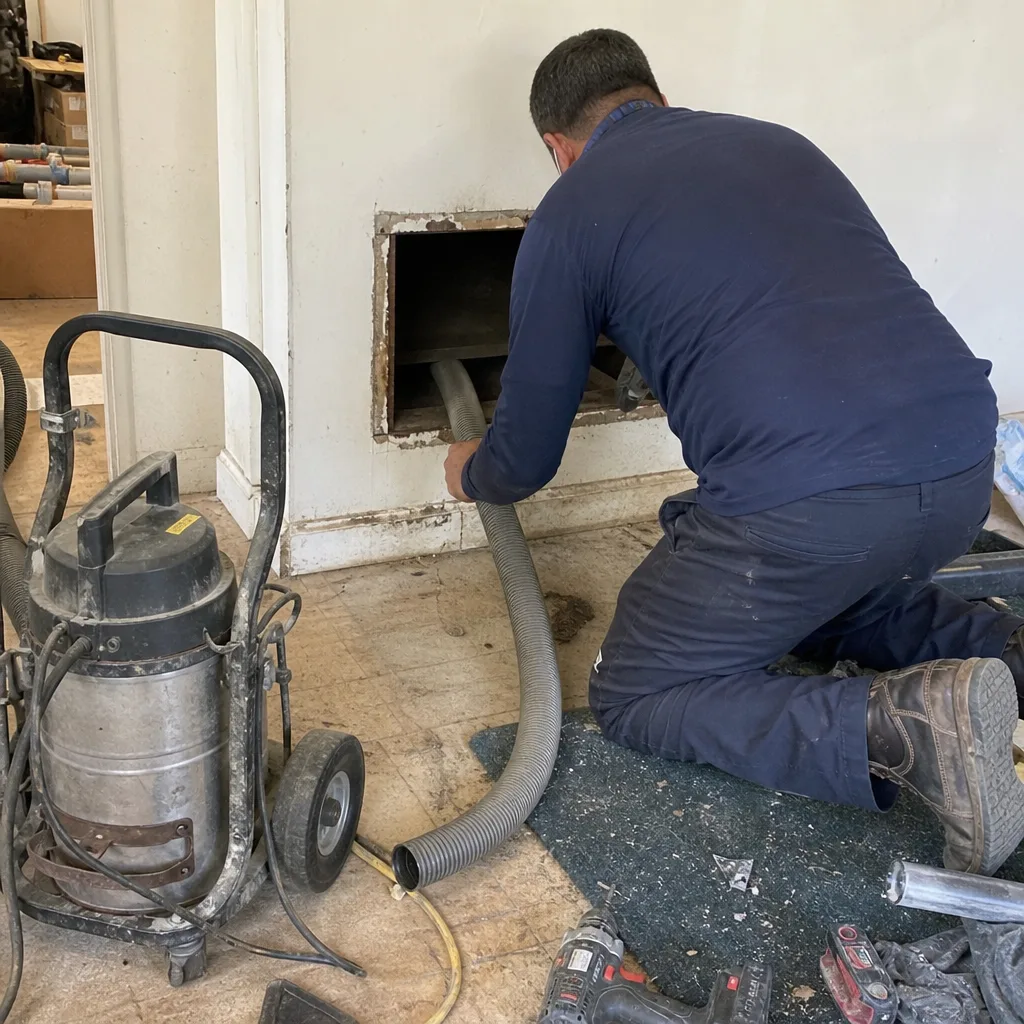 Before
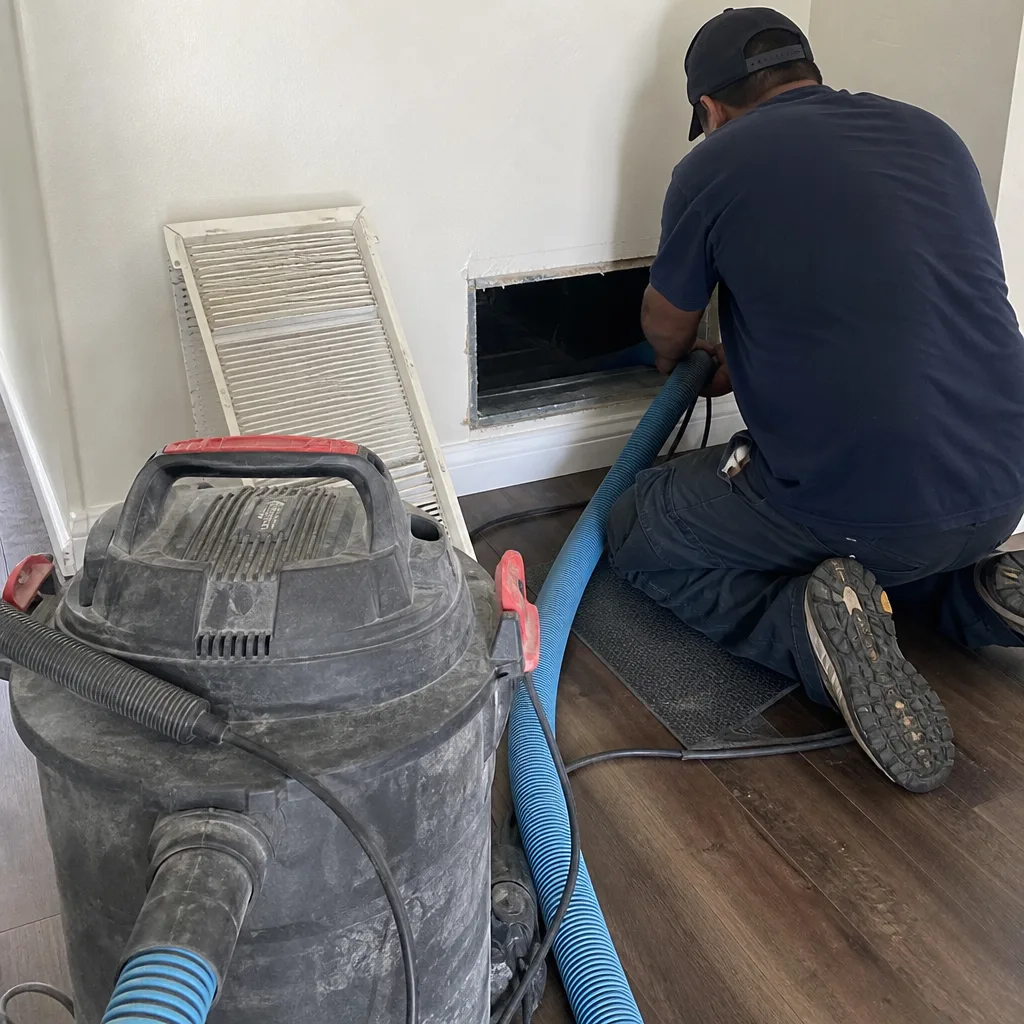 After
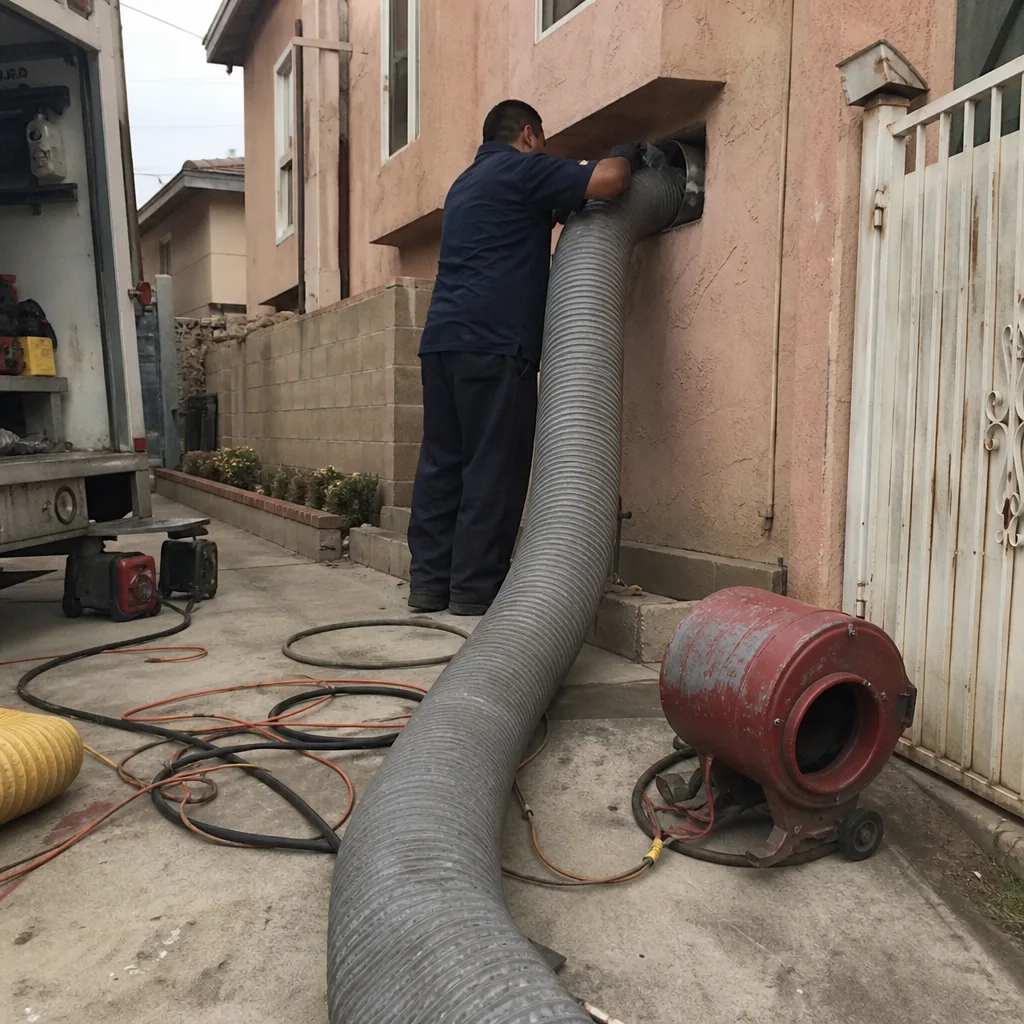 Before
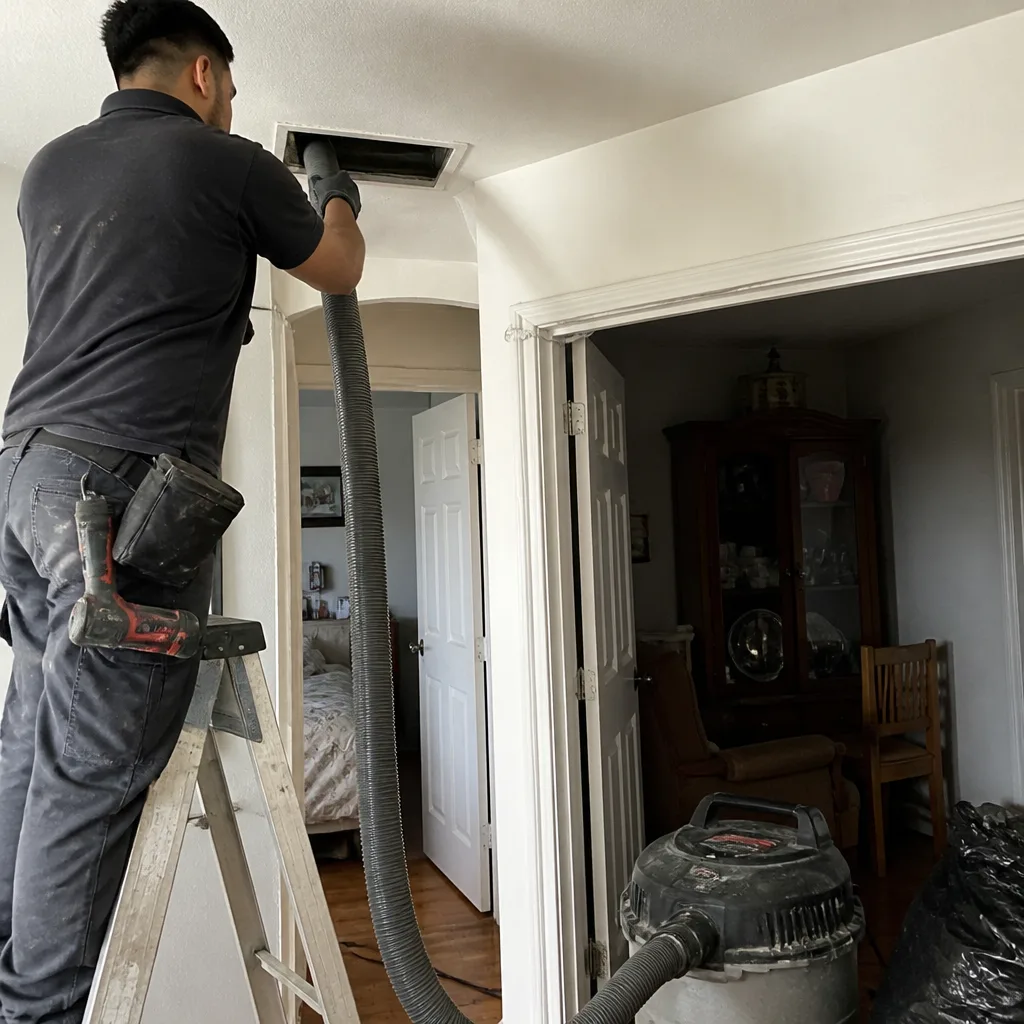 After
 Before
 After