
Last updated November 2, 2026
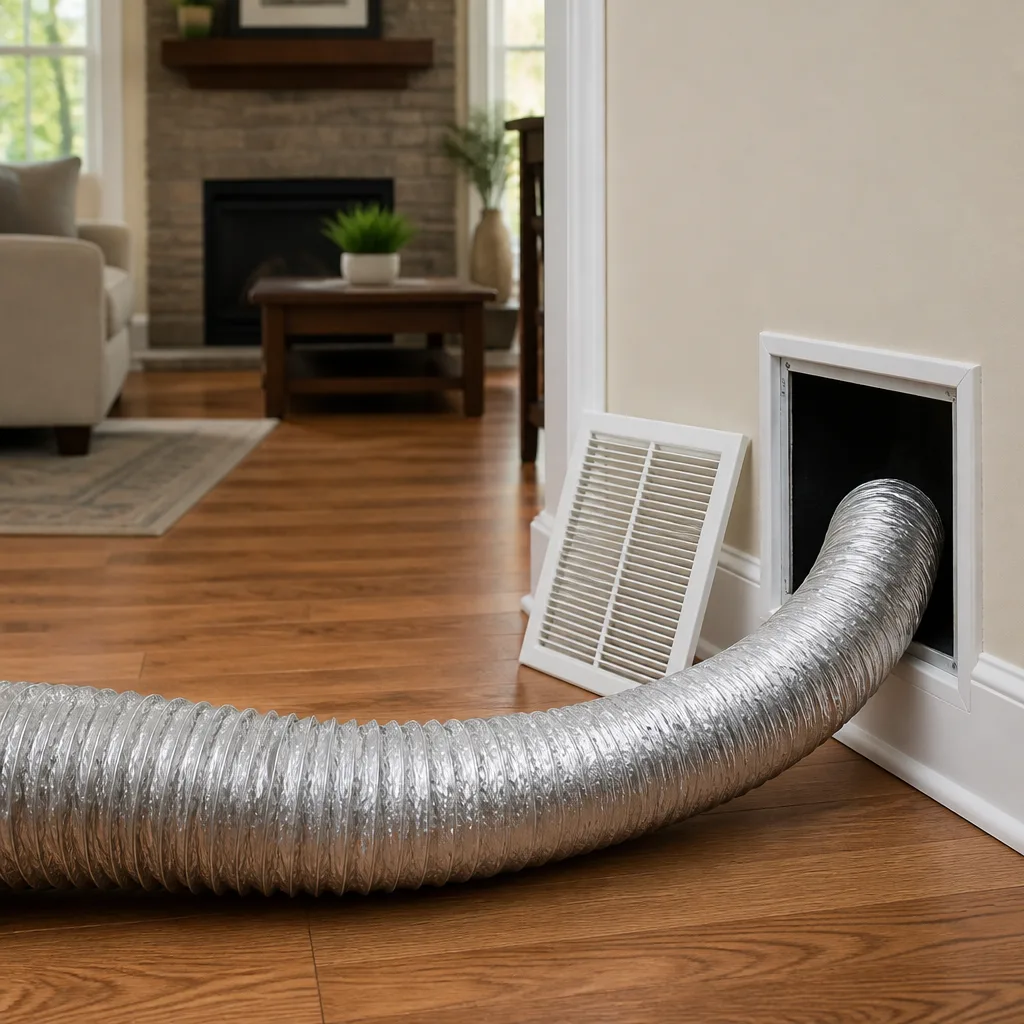 Whole-home duct cleaning
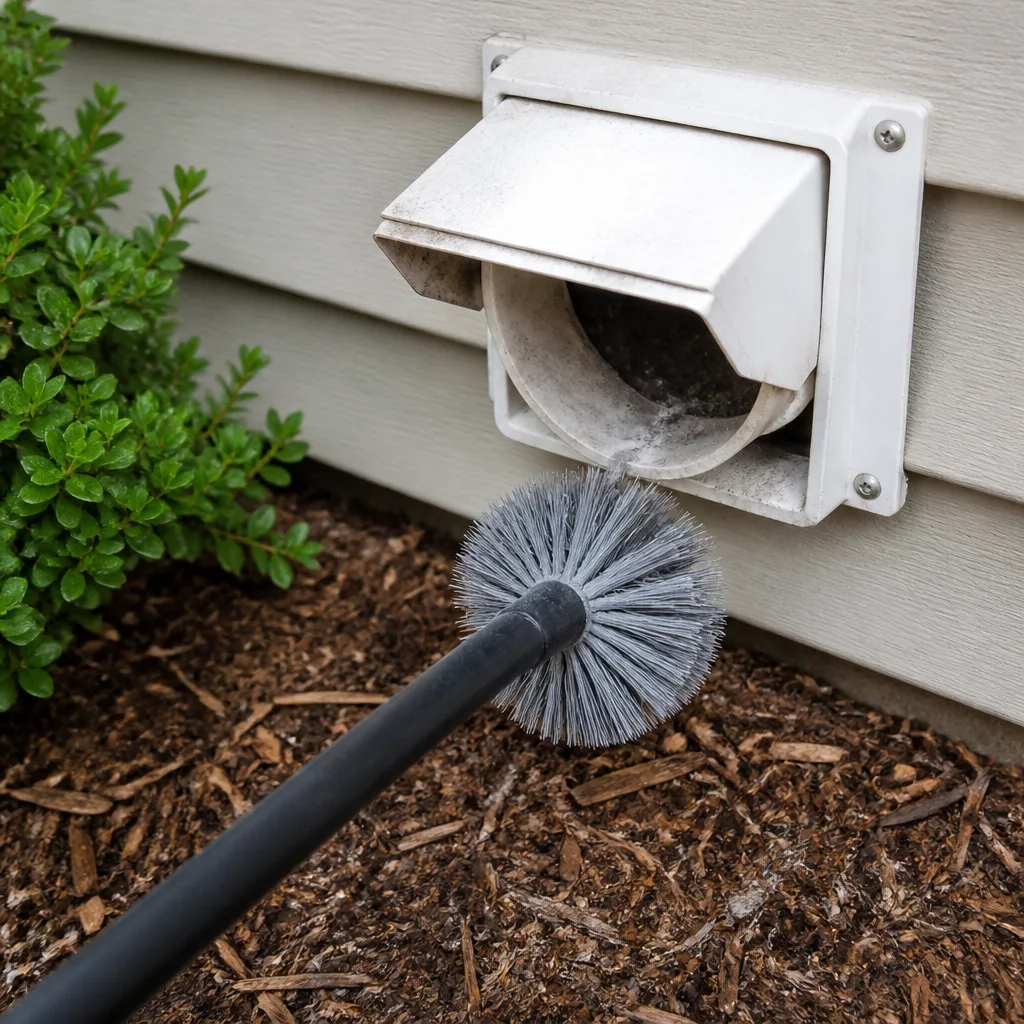 Dryer vent cleaning
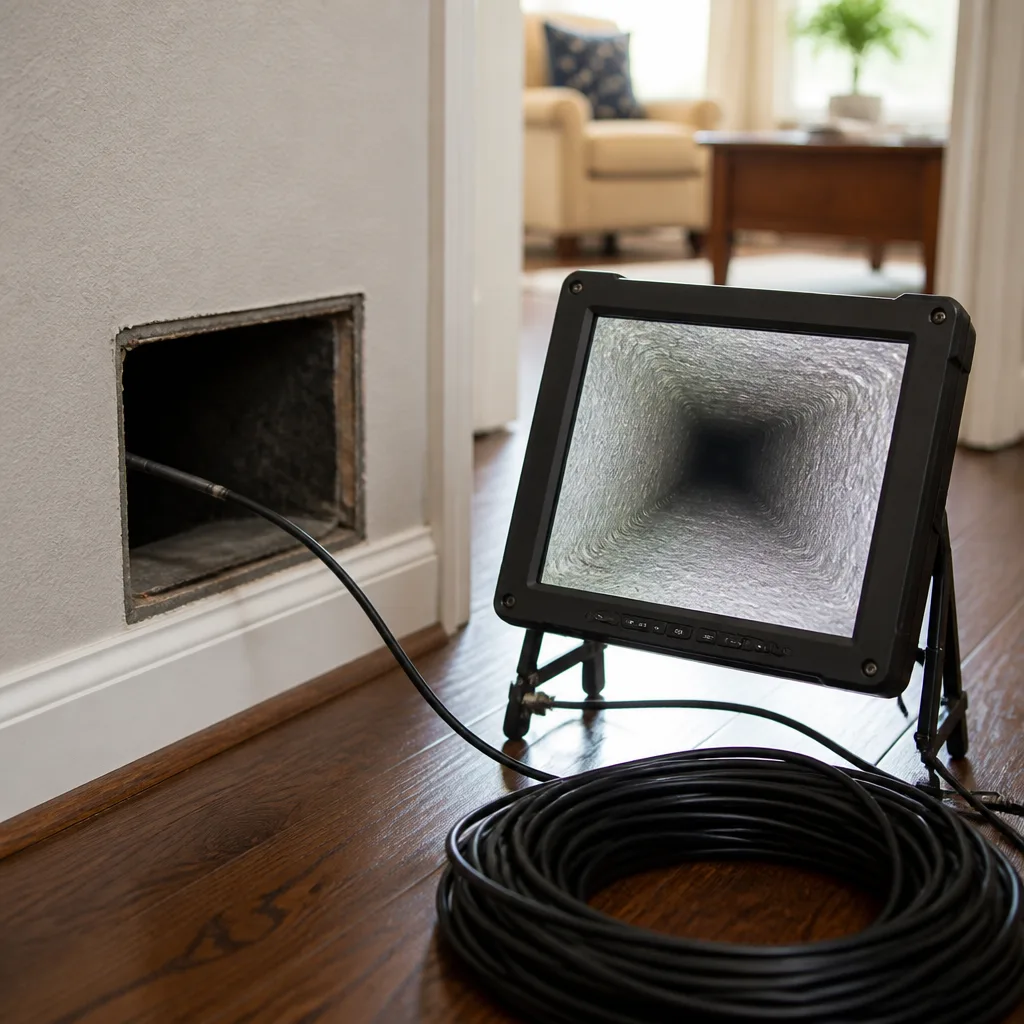 Camera inspection
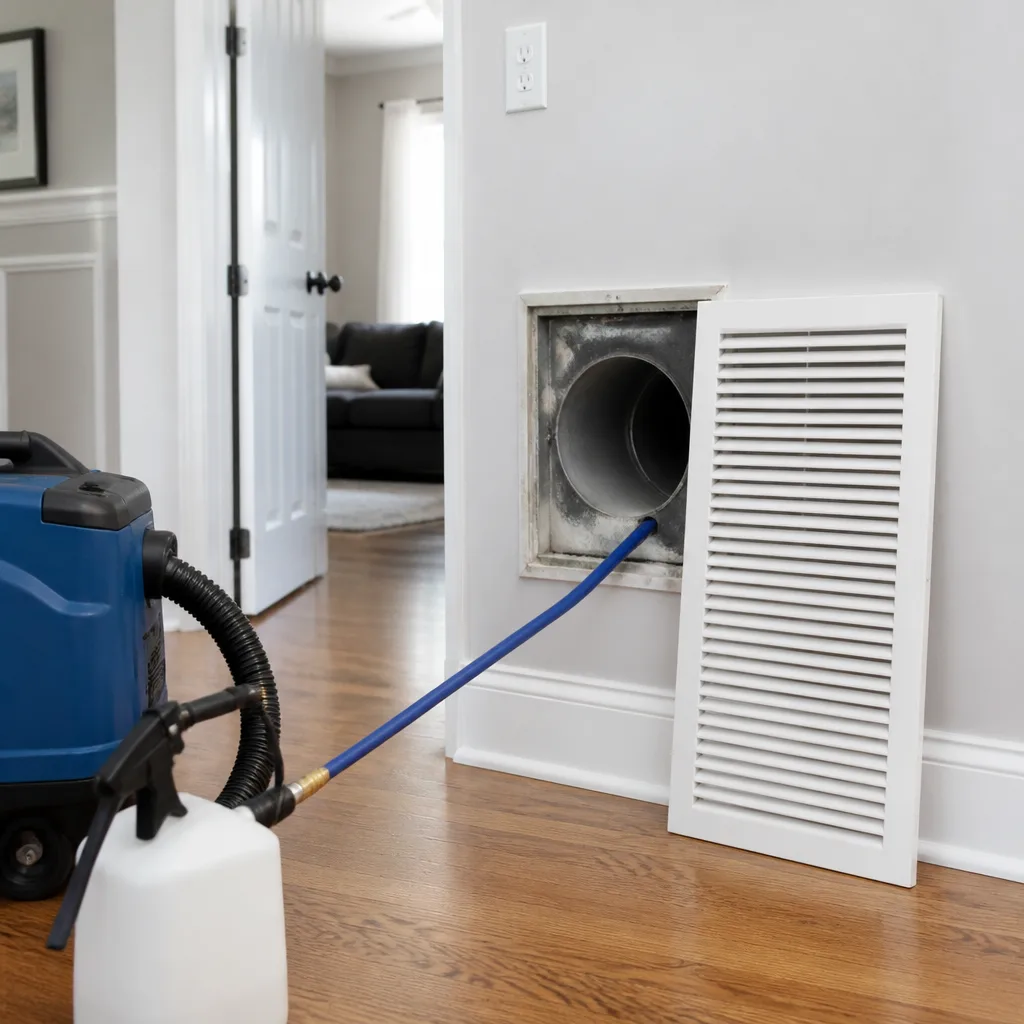 Sanitizing & deodorizing
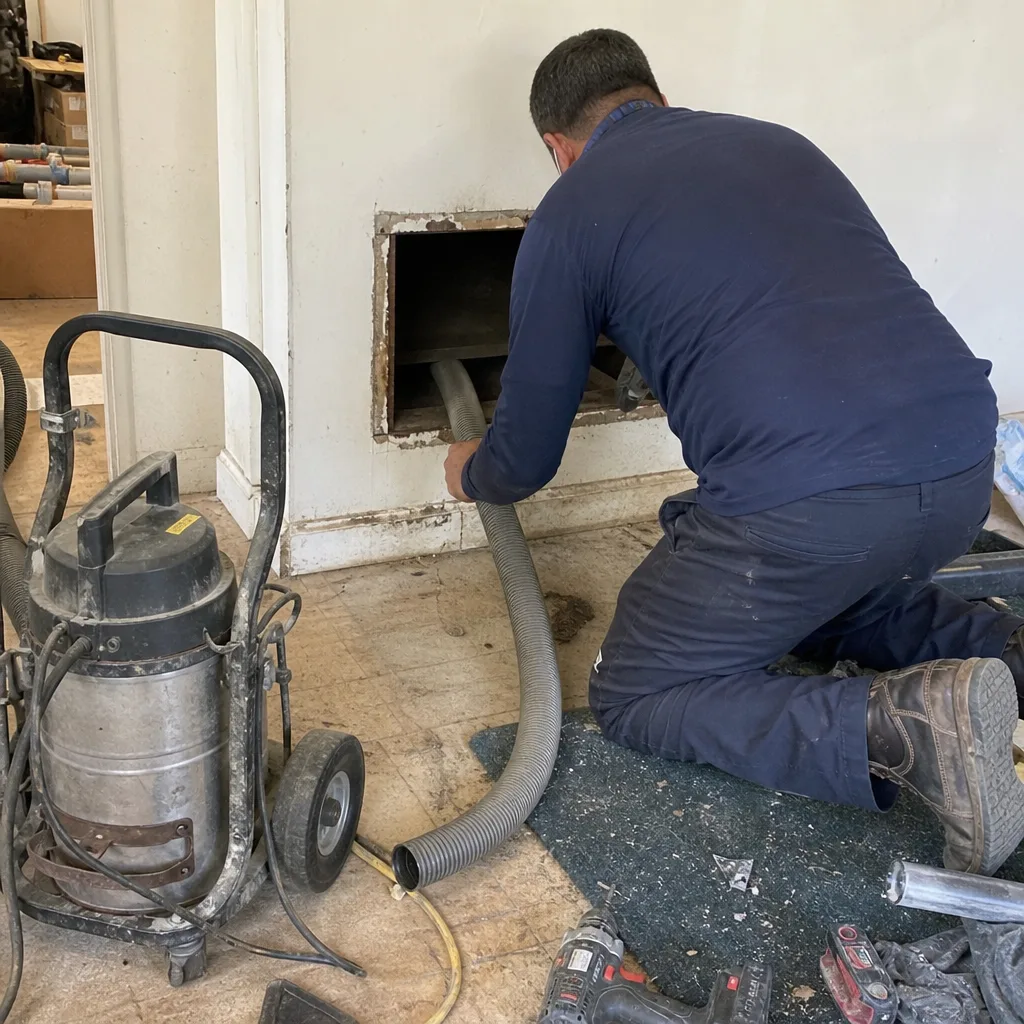
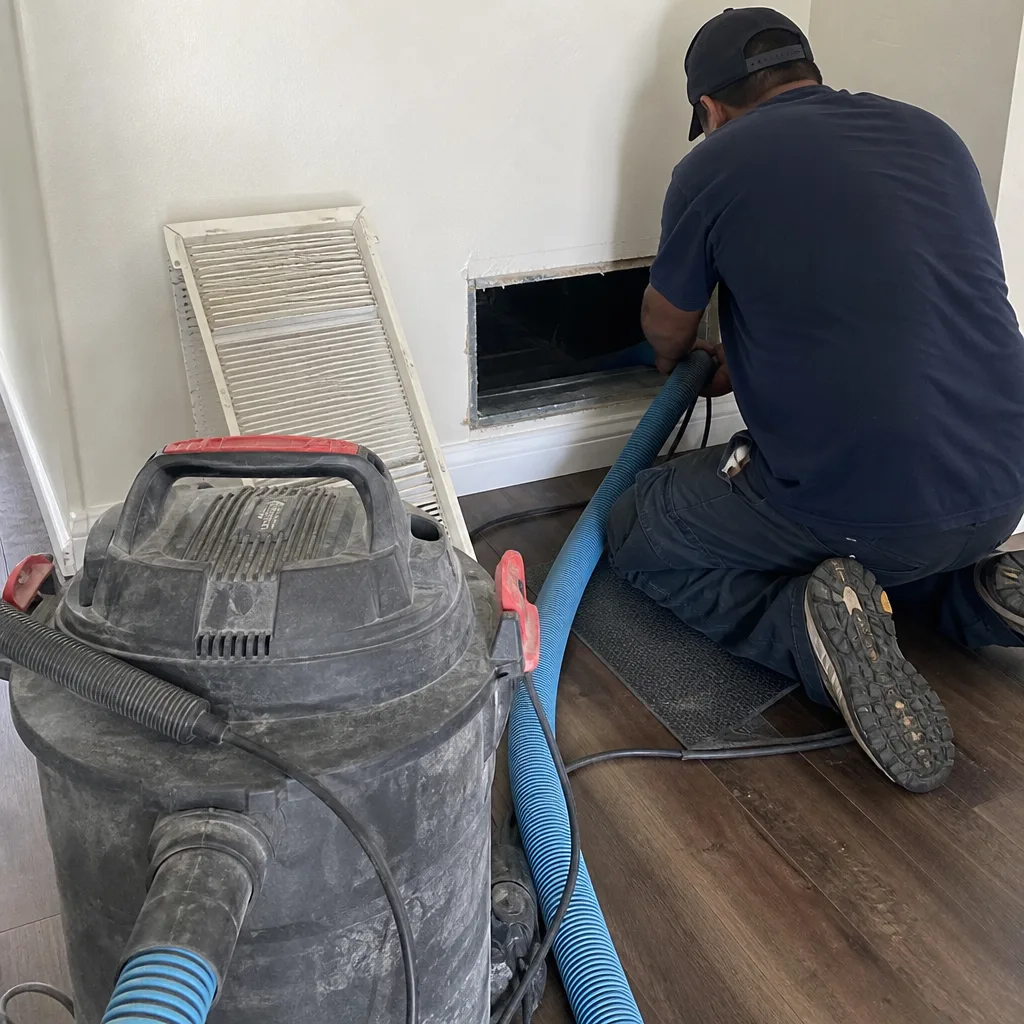
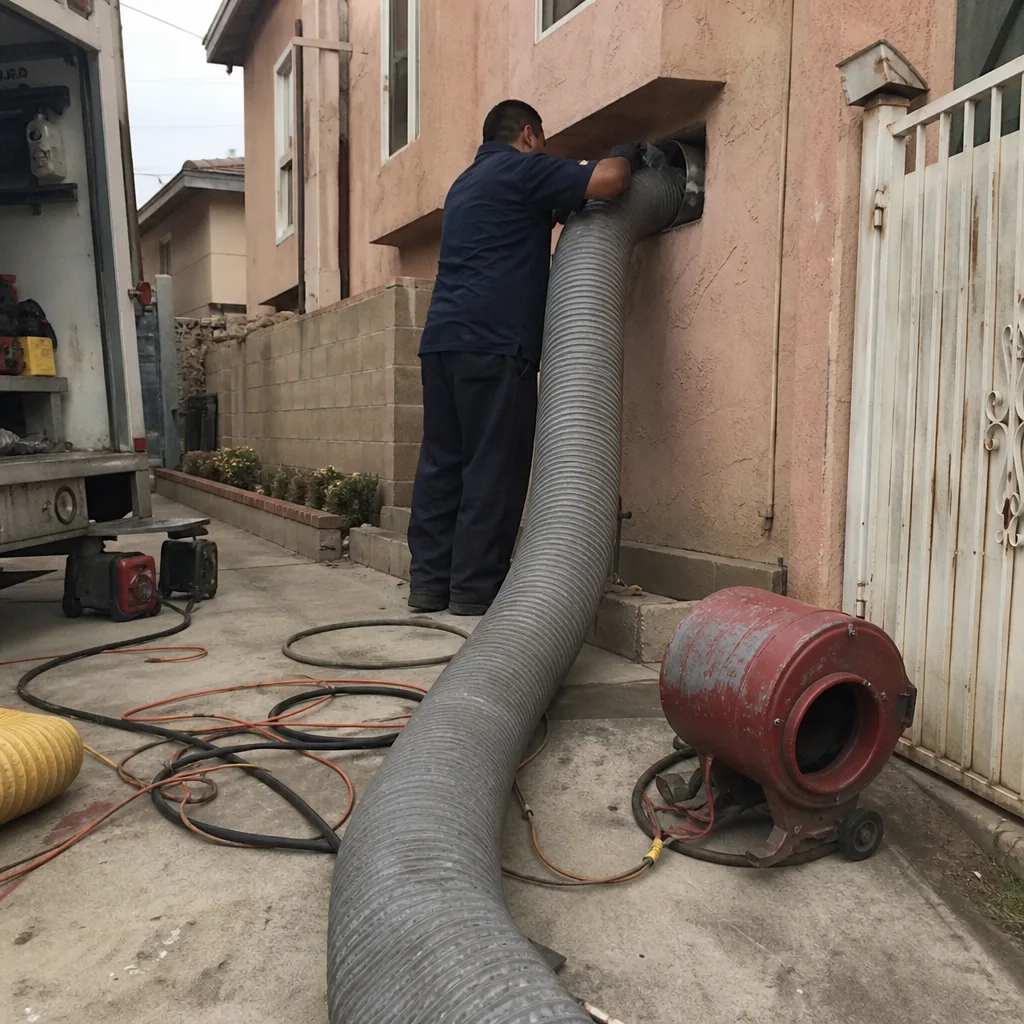
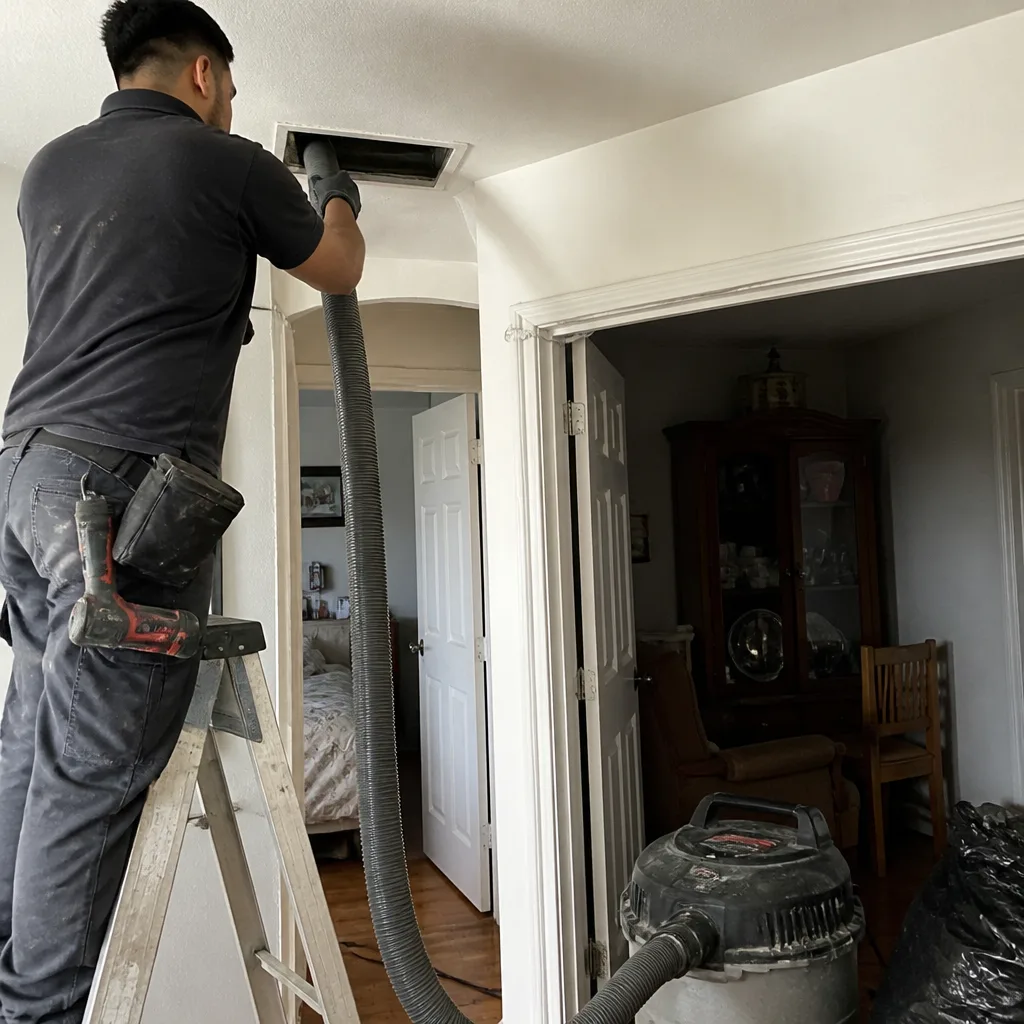
Whole-system duct and dryer vent check with before-and-after photos - you see exactly what came out of your vents
That "$99 whole-house special" is a bait ad - the real number appears once they are in your hallway, or the "clean" is a shop-vac at the register. We photograph the inside of your ducts before and after instead.
Air Duct Cleaning Troubleshooting: Common Problems and How to Fix Them
Here’s a counterintuitive fact that surprises most Boyle Heights homeowners: the majority of complaints about air duct cleaning aren’t actually about the cleaning at all. When dust reappears within a month, when a musty smell lingers after the crew packs up, when one room stays stubbornly hot all summer – these are diagnostic signals pointing to a separate problem that a basic cleaning was never designed to address. If your home smells musty two weeks after a duct cleaning, the technician didn’t do a bad job. They cleaned around a moisture problem that nobody flagged during the inspection. This guide walks you through the most common post-cleaning complaints, shows you how to read what your HVAC system is actually telling you, and helps you figure out whether you need a re-clean, a repair, or a different intervention entirely.
Quick Answer
Most air duct cleaning problems fall into five categories: dust returning quickly (a filtration or leakage issue, not extraction failure), lingering odors (a moisture, microbial, or contaminant source that cleaning alone can’t remove), uneven airflow (a duct design, disconnection, or damper problem), strange noises after service (loose components or debris in the system), and visible debris left behind (a genuine cleaning deficiency). The fix depends on correctly identifying which category you’re dealing with – and in many cases, the correct next step is duct repair, HVAC component service, or targeted remediation, not another cleaning.
Styles & brands we work with
- Whole-home duct cleaning
- Dryer vent cleaning
- Camera inspection
- Sanitizing & deodorizing
Table of Contents
- Why Is Dust Coming Back So Quickly After Cleaning?
- Lingering Odors After Cleaning: What They Mean and What to Do
- Uneven Airflow: When Some Rooms Never Get Comfortable
- Strange Noises After a Duct Cleaning
- Visible Debris After Service: How to Tell If the Job Was Done Right
- Negative Pressure and Containment: Why It Matters During Cleaning
- When a Second Cleaning Makes Sense (and When It Doesn’t)
- Common Mistakes to Avoid
Why Is Dust Coming Back So Quickly After Cleaning?
You paid for a full system cleaning. Three weeks later, you run a finger across the coffee table and it comes up gray. The immediate assumption is that the cleaning crew did a poor job. That’s understandable, but it’s usually wrong. In our experience with homes across Boyle Heights, dust returning within 30 to 60 days of a proper cleaning almost always points to one of two underlying conditions: a filtration gap or duct leakage.
Here’s the diagnostic framework we use when a homeowner calls about rapid dust accumulation:
Check Your Filter First
Your HVAC filter is the single most influential component in how fast dust re-enters your living space. A filter that’s undersized, incorrectly installed, or simply the wrong type for your system allows particulate to bypass filtration entirely. In Boyle Heights, where older homes often carry original ductwork paired with newer furnaces, mismatched filter slots are common. The filter should fit snugly with no visible gaps around the frame. If you can see daylight around the edges, air is taking the path of least resistance – around the filter, not through it.
What to check:
- Filter rating: A MERV 8 filter catches household dust reasonably well. Below MERV 8, you’re trading air quality for airflow. Above MERV 13 without a system designed for it, you may be choking your blower.
- Filter fit: Gaps around the filter frame let unfiltered air enter the return side. This is a duct repair issue, not a filter issue.
- Replacement schedule: A clogged filter forces air around it. If you haven’t changed it in 90 days, your freshly cleaned ducts are now supplying dirty air again.
Duct Leakage Pulls Dust In
The second major culprit is leakage in the ductwork itself. Ducts run through attics, crawlspaces, and wall cavities. When a joint separates or a section gets crushed, the system pulls air from those unconditioned spaces. That air carries insulation fibers, dust, and whatever else lives in your attic – and it distributes that directly into your rooms. No cleaning can outpace a leak. The dust isn’t in the ducts; it’s being introduced downstream of the cleaning.
Boyle Heights homes, particularly those built before the 1980s, frequently have duct systems assembled with tape that’s long since dried and failed. We’ve found return ducts in these attics pulling air through gaps large enough to fit a hand through. If your dust problem is concentrated in certain rooms or worsens when the system runs, leakage is the prime suspect. This is where air duct repair in Boyle Heights becomes the correct intervention, not another cleaning pass.
Lingering Odors After Cleaning: What They Mean and What to Do
Odors that persist after a duct cleaning are diagnostic gold. They tell you exactly what kind of problem you’re dealing with – if you know how to read them. Let’s break down the most common post-cleaning smells and what they actually indicate.
Musty or Damp Smell
A musty odor that doesn’t go away after cleaning points to moisture. Duct cleaning removes accumulated debris, but it cannot remove the source of the moisture that fed microbial growth in the first place. In Boyle Heights, common moisture sources include bathroom exhaust fans venting into the attic instead of outside, a condensate drain that’s backed up, or a section of ductwork running through an unconditioned, humid crawlspace.
If the area stays damp, the microbial growth will return – often within weeks. The correct sequence is: find and fix the moisture source first, then address the affected materials. Cleaning around a moisture problem just buys you a few weeks of fresh-smelling air before the cycle repeats.
Burning or Hot Dust Smell
This is the smell homeowners most often report in the first few days after a cleaning, and it’s usually transient. What you’re smelling is fine particulate that got stirred up during the cleaning process settling on hot surfaces like the heat exchanger or blower motor housing. It typically dissipates within 48 to 72 hours of system operation.
But here’s where it gets important: a persistent burning smell that doesn’t fade after a week is not a cleaning artifact. It indicates a failing component – most commonly a blower motor drawing excessive amperage, a heat exchanger developing a crack, or wiring insulation degrading. These are safety issues requiring HVAC technician evaluation. Do not ignore a burning smell that continues past the first few days. The cleaning didn’t cause it; the cleaning may have simply made it noticeable by changing the airflow patterns through the unit.
Chemical or Ozone-Like Smell
Some cleaning processes use chemical antimicrobials or sanitizers. If you opted for a treatment and now notice a chemical smell, check what was applied – reputable companies use products designed for HVAC use and should provide documentation. If you’re running an electronic air cleaner or UV system, ozone byproduct can create a distinctive smell, particularly in homes with Honeywell or Aprilaire air quality components that haven’t been serviced. These systems need periodic maintenance just like any other part of your setup.
Uneven Airflow: When Some Rooms Never Get Comfortable
Uneven airflow is the most persistent and least understood complaint in residential HVAC. One bedroom stays cold all winter. Another bakes all summer. The homeowner calls a duct cleaner. The ducts get cleaned. Nothing changes. Why? Because the problem was never debris in the ducts – it’s the duct system design or condition itself.
The Diagnostic Questions We Ask
When a Boyle Heights homeowner tells us certain rooms never reach the right temperature, we run through the same checklist every time. Here’s how to think through your own airflow problem:
- Is the problem new or long-standing? If the room has always been uncomfortable, this is likely a design issue – undersized ducts, excessive run length, or insufficient return capacity. Cleaning won’t help. Duct modification or zoning will.
- Did it start suddenly? A duct may have disconnected, collapsed, or separated at a joint. In attics and crawlspaces, we find this frequently – often from a previous contractor stepping on flex duct or an animal nesting in a return cavity.
- Is it worse in certain seasons? Seasonal airflow complaints often point to leaky ducts pulling unconditioned air – hot attic air in summer, cold crawlspace air in winter. Sealing resolves this; cleaning doesn’t.
- Are your supply registers open? It sounds obvious, but we’ve walked into homes where the previous occupant closed registers in unused rooms and the new homeowner never opened them. Check this first – it costs nothing.
- Is there a damper issue? Many homes have inline dampers in the branch ducts. If a damper has shifted or seized, airflow to that branch will be restricted regardless of how clean the ducts are.
What Cleaning Can and Can’t Do for Airflow
A proper cleaning removes restrictions caused by debris accumulation. If your ducts are genuinely packed with years of dust, pet hair, and construction debris, removal will improve airflow. Our Rotobrush and Nikro systems are designed for exactly this kind of work – the same equipment class used by professional HVAC contractors, not consumer-grade vacuums that can’t maintain meaningful airflow through a long duct run.
But if the restriction is structural – a crushed section, an undersized branch, a disconnected joint – no amount of cleaning restores airflow. That’s a repair problem. This is why we offer air duct repair as a standalone service. We clean it. If it’s broken, we fix it.
Strange Noises After a Duct Cleaning
Your HVAC system makes noise. It always has. But after a duct cleaning, you’re more attuned to it – and sometimes the cleaning process itself changes what you hear. Here’s how to separate normal post-cleaning sounds from problems that need attention.
Normal Post-Cleaning Sounds
In the first 24 to 48 hours after service, you may hear small popping or ticking sounds. This is metal ductwork expanding and contracting as the system runs. During cleaning, the ducts were accessed, possibly moved slightly, and the internal pressure conditions changed. The metal is re-settling. This is normal and stops within days.
You may also hear a slight increase in airflow sound. If the cleaning removed significant debris accumulation, air now moves more freely through the system. This is the sound of a restriction being removed – it’s a good sign.
Sounds That Warrant Attention
- A rhythmic banging or thumping when the blower runs: This often indicates a loose access panel, a duct section that wasn’t properly re-secured, or debris caught in the blower wheel. It shouldn’t be ignored.
- A high-pitched squeal from the air handler or furnace: Belt-driven blowers develop belt wear. If the sound wasn’t there before cleaning and persists, have it checked.
- A flapping sound: This is typically fiberglass duct liner or insulation that has partially detached and is moving in the airstream. It indicates deteriorating ductwork that’s due for repair or replacement.
- Whistling at registers: This is usually a register damper that was shifted during cleaning or an over-pressurized system. Adjusting the damper often resolves it. Persistent whistling can indicate an airflow restriction downstream.
Visible Debris After Service: How to Tell If the Job Was Done Right
The most straightforward complaint is also the one that requires the most honest assessment: you can see debris in or around your system after the cleaning crew leaves. Before you conclude the job was botched, understand what a proper cleaning does and doesn’t remove – and what the process inherently disturbs.
What’s Normal Immediately After Cleaning
A professional duct cleaning uses high-pressure air and mechanical agitation to dislodge debris from the duct walls. That debris is then extracted by a negative air machine – for serious contamination scenarios, we use Abatement Technologies grade equipment, the same class used in professional remediation work. But no extraction system captures 100% of dislodged particulate. In the hours following a cleaning, some fine material will settle out of the air and onto surfaces near supply registers. A light dusting directly around registers is normal and should be easily wiped away.
What Indicates a Problem
- Piles of debris visible inside the register boots – material should have been removed from the accessible portions of the system, not pushed into them.
- Dust coating surfaces throughout the house, not just near registers – this suggests the containment strategy failed during the cleaning.
- Debris blowing out of registers when the system runs days after service – extraction was inadequate or a major source wasn’t accessed.
- Sticky residue on registers or nearby walls – if a sanitizer or treatment was applied improperly, it can leave residue. This should be reported immediately.
If you’re unsure whether what you’re seeing is normal, take photos. A reputable company will review them and address legitimate concerns. In Boyle Heights, where many homes have never had a system cleaning in decades, the improvement should be obvious – not incremental.
Negative Pressure and Containment: Why It Matters During Cleaning
Here’s a detail that separates professional duct cleaning from the discount version, and it’s one homeowners rarely know to ask about: negative pressure containment. Understanding this concept will help you evaluate any cleaning service – and troubleshoot problems that appear after the fact.
The Principle
During a proper duct cleaning, the extraction equipment must create negative pressure inside the duct system – meaning the pressure inside the ducts is lower than the pressure in the surrounding space. This ensures that when debris is agitated and dislodged, it’s pulled toward the collection equipment rather than pushed out through register openings into your living space.
Professional systems like Nikro and Rotobrush are engineered to maintain this pressure differential. The equipment connects to the ductwork in a way that isolates the section being cleaned and directs particulate toward the HEPA-filtered collection unit. When containment is maintained, you shouldn’t see significant dust release into the home during the process.
How to Evaluate a Cleaning Crew’s Containment Approach
- Ask what equipment they’ll use. A portable vacuum or shop vac cannot generate sufficient negative pressure to clean a full duct run effectively. If the answer sounds like something you could buy at a hardware store, keep looking.
- Ask how they contain the work area. Professional crews seal registers in the rooms being serviced and connect their extraction unit to the main trunk line. This creates the negative pressure environment.
- Ask about their filter stage. True HEPA filtration on the exhaust side prevents what’s extracted from being re-introduced into your home. Abatement Technologies grade equipment meets this standard.
- Observe during the process. If you see visible dust clouds around active registers, containment has failed. A properly executed cleaning should not dust your home.
In older Boyle Heights homes with original ductwork, maintaining negative pressure is especially important. These systems often have larger leak points than newer installations, which can complicate containment. A crew that understands this will adjust their approach accordingly – another reason experience with older housing stock matters.
When a Second Cleaning Makes Sense (and When It Doesn’t)
This is the question homeowners ask with frustration in their voice: “They already cleaned it. Do I need to have it cleaned again?” The honest answer depends on what you’re trying to accomplish – and whether the first cleaning was technically adequate but diagnostically incomplete.
When a Second Cleaning Is Warranted
There are specific scenarios where re-cleaning is the right call:
- The first cleaning was demonstrably inadequate: Visible debris in accessible ducts, dust blowing from registers days later, no evidence that branch lines were actually accessed. Sometimes the honest answer is that the job wasn’t done properly.
- The system wasn’t fully cleaned: Some companies only clean the main trunk lines and skip the individual branch runs. If only part of your system was serviced, the remaining debris will re-contaminate the cleaned sections quickly.
- Extensive remodeling: If you had drywall sanding, flooring replacement, or other dusty work done after the cleaning, the system may need to be addressed again.
- An event occurred: A critter died in the ductwork, a roof leak flooded a return, or mold was disturbed during a related project. These events introduce contamination that justifies re-cleaning.
When a Different Intervention Is Correct
More often than not, when a Boyle Heights homeowner calls us believing they need another cleaning, the real need is something else:
- Duct leakage: Gaps, separations, or failed seals allow attic or crawlspace air into the system. The fix is air duct repair, not cleaning. Leaks will re-contaminate a clean system within weeks.
- HVAC component contamination: The evaporator coil, blower assembly, and drain pan can harbor growth that a duct-only cleaning never touches. If the coil is dirty and the air passes over it after leaving the “clean” ducts, you’ll still smell it.
- Moisture source: Duct cleaning removes what grew. It does not stop the moisture that made it grow. Fix the water source first.
- Filtration deficiency: A system with a poor filter or leaky filter housing will pull dust regardless of how clean the ducts are. Address filtration.
This is precisely why Eastgate Air Duct Cleaning takes a diagnostic approach from the start. The question isn’t just “when were these ducts last cleaned?” – it’s “why is this system behaving the way it is?” We’ve found that treating the ductwork as part of a whole system, rather than an isolated component, leads to better outcomes for the homeowners we serve across Boyle Heights.
Common Mistakes to Avoid
- Hiring based on the lowest quote without asking what that quote includes. A $99 whole-house special in Boyle Heights generally means a crew with a portable vacuum, no containment strategy, and a 45-minute blitz. The ducts won’t be meaningfully cleaned, and you’ll be paying someone else to do it properly within a year.
- Assuming the cleaning was the failure when symptoms persist. As this guide should make clear by now, many post-cleaning problems are actually pre-existing HVAC issues that the cleaning revealed or simply didn’t address. Diagnose before you re-clean.
- Skipping the dryer vent because “it’s a separate thing.” A clogged dryer vent is a fire hazard. We treat it that way, which is why dryer vent cleaning in Boyle Heights is a core service, not an upsell. Your dryer exhaust is part of your home’s overall air handling picture.
- Changing filters only when they look dirty. By the time a filter is visibly dark, it’s been restricting airflow and allowing bypass for weeks. Set a schedule – 90 days is a reasonable default for most households in our climate.
- Attempting to DIY major duct repairs with foil tape from the hardware store. Proper duct sealing requires the right materials and access. Improper repairs fail quickly and can make the problem worse by pushing leaks deeper into inaccessible areas.
- Ignoring the air quality components you already own. Homes with Honeywell and Aprilaire systems often have components that need periodic service. If you have this equipment, ask your cleaner whether they’re experienced with it. Many aren’t.
- Expecting cleaning to fix what only sealing or component service can address. Cleaning removes what’s there. It doesn’t prevent what’s coming in. If your home’s problem is a leaky return pulling attic air, no cleaning will stop the dust – but sealing will.
When to Call a Professional
You should call a professional when symptoms are persistent, when the problem is above your pay grade, or when the risk of guessing wrong is real. If dust is coming back within weeks of a cleaning, if you’re smelling something that doesn’t dissipate, if rooms stay uncomfortable regardless of thermostat settings – these are not problems to solve with guesswork. Air duct work involves confined spaces, sharp metal edges, electrical components, and in some cases gas lines. A wrong move can turn a nuisance into a hazard. A proper diagnosis on a Boyle Heights home typically involves inspecting the ductwork condition, assessing the filtration setup, and evaluating the system as a whole – not just a quick look through a register. Air duct cleaning in Boyle Heights with Eastgate means that diagnostic depth. If you suspect your system’s problem isn’t what the last crew told you, call us at (855) 382-4682 for a free estimate. We’ll tell you honestly what we think is happening – even if the answer is “you don’t need another cleaning.”
See the difference
 Before
 After
 Before
 After
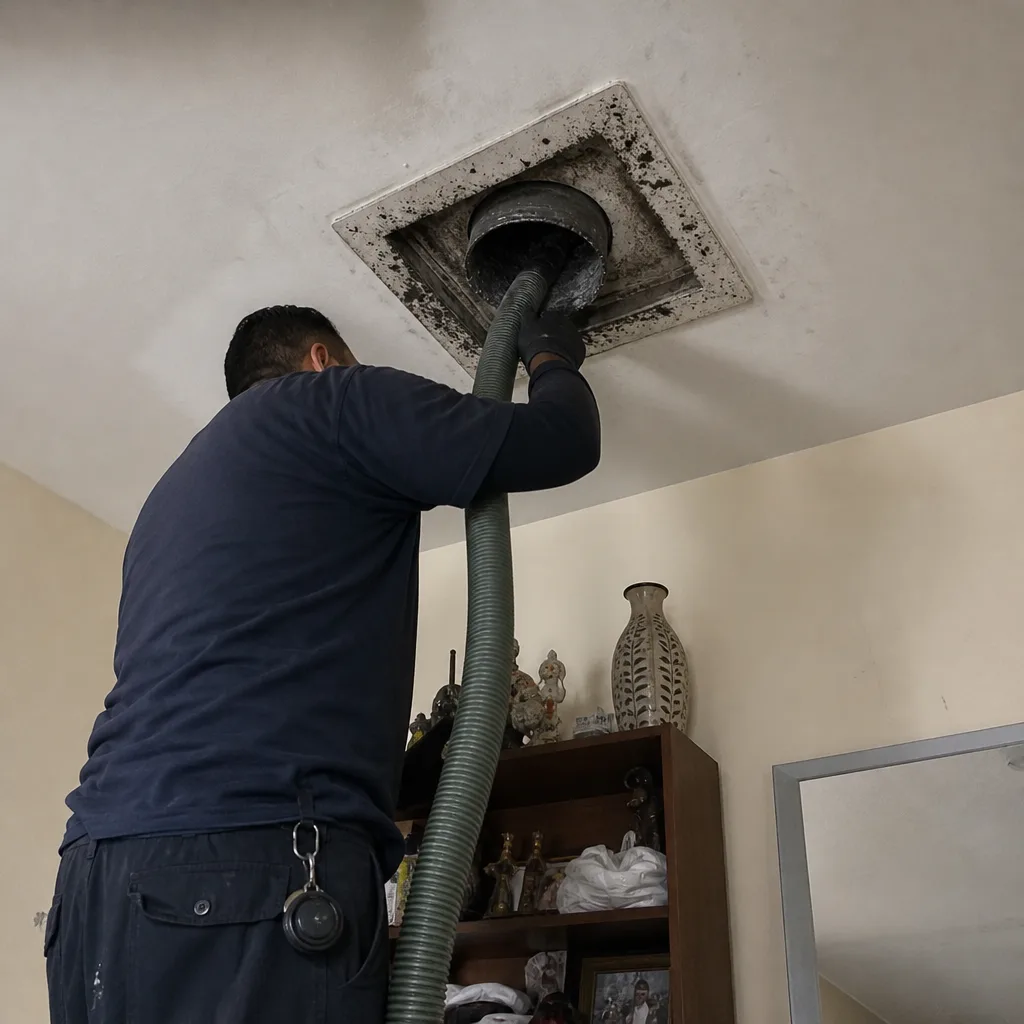 Before
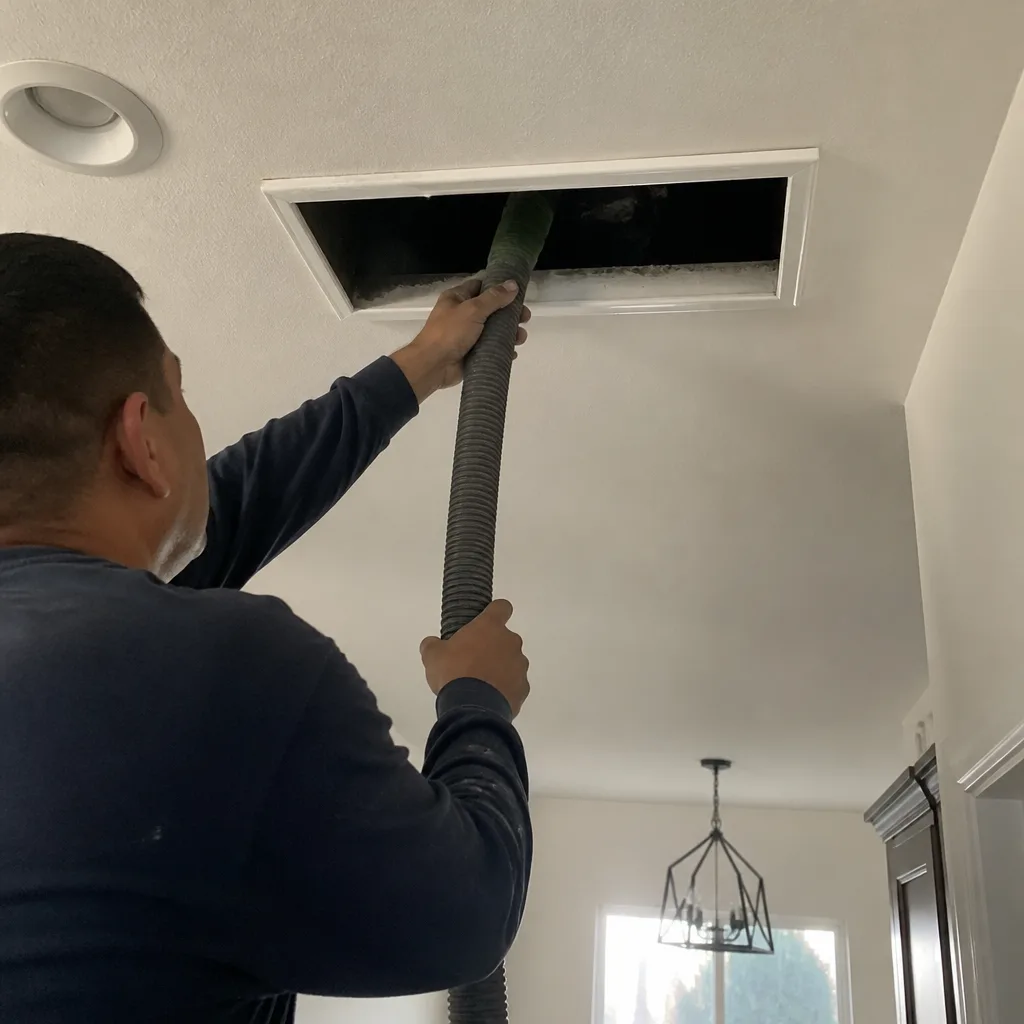 After
Frequently Asked Questions
After a proper cleaning with professional equipment, you should not see significant dust accumulation for at least 12 to 24 months, assuming your filters are maintained and the duct system is intact. If dust returns within weeks, the problem is almost always a filtration gap or duct leakage – not a bad cleaning job. Call (855) 382-4682 for a diagnostic assessment if you’re seeing this pattern.
A musty smell that persists after cleaning means moisture is still present somewhere in or near the system – a condensate issue, a venting failure, or a damp crawlspace. The cleaning removed the organic material that was growing, but the moisture source remains, and the growth will return. Fix the water source before re-cleaning.
A mild burning or hot dust smell for the first 48 to 72 hours after cleaning is normal and caused by dislodged particulate settling on hot components. A burning smell that persists beyond that window is a red flag for a failing blower motor, a cracked heat exchanger, or degrading wiring – call an HVAC technician or Eastgate at (855) 382-4682 for evaluation.
A proper cleaning produces visible cleanliness in accessible ductwork, no significant dust release into your home during the process, and a noticeable improvement in the air leaving your registers. The crew should use professional equipment – Rotobrush or Nikro class systems – with true HEPA filtration on the extraction side. If you saw dust clouds during the work or debris remains visibly inside accessible ducts, the job was incomplete.
Chronic single-room temperature problems in Boyle Heights homes usually trace to duct design flaws, a crushed or disconnected branch line, or a failed inline damper – not to dirty ducts. These are repair issues. You can test this yourself: check if the register for that room has strong airflow compared to others. Weak or absent airflow points to the duct run itself, not its cleanliness.
Yes, and you should treat them as separate services with separate equipment. The dryer vent carries hot, lint-laden air directly outside, and a clogged vent is a documented fire hazard. Dryer vent cleaning in Boyle Heights addresses a completely different system than your HVAC ductwork – and a company that treats it as an afterthought isn’t taking the fire risk seriously.
The Bottom Line
Air duct cleaning problems rarely mean what they seem to mean at first glance. Dust returning quickly is a filtration or leakage signal. Lingering odors are moisture or component failures. Uneven airflow is design or damage. The common thread: cleaning is one tool in a larger diagnostic toolkit, not a cure-all for every air quality complaint. If you’re in Boyle Heights and dealing with post-cleaning problems that don’t resolve, call (855) 382-4682 for a free estimate. We’ll look at the whole system – with professional equipment and repair capability in hand – and tell you straight whether another cleaning is the answer, or whether the real fix lies somewhere else entirely.
Written by the team at Eastgate Air Duct Cleaning, serving Boyle Heights since 2015.