
Last updated November 2, 2026
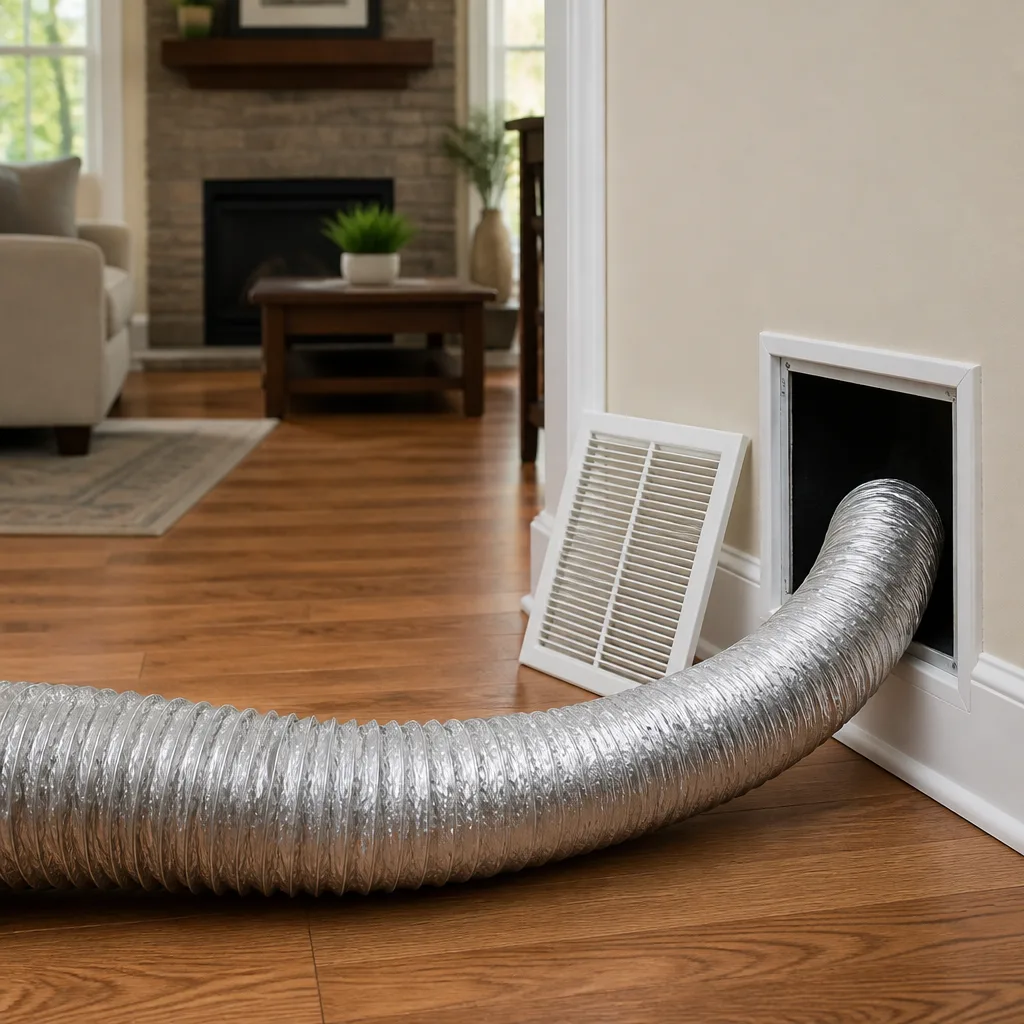 Whole-home duct cleaning
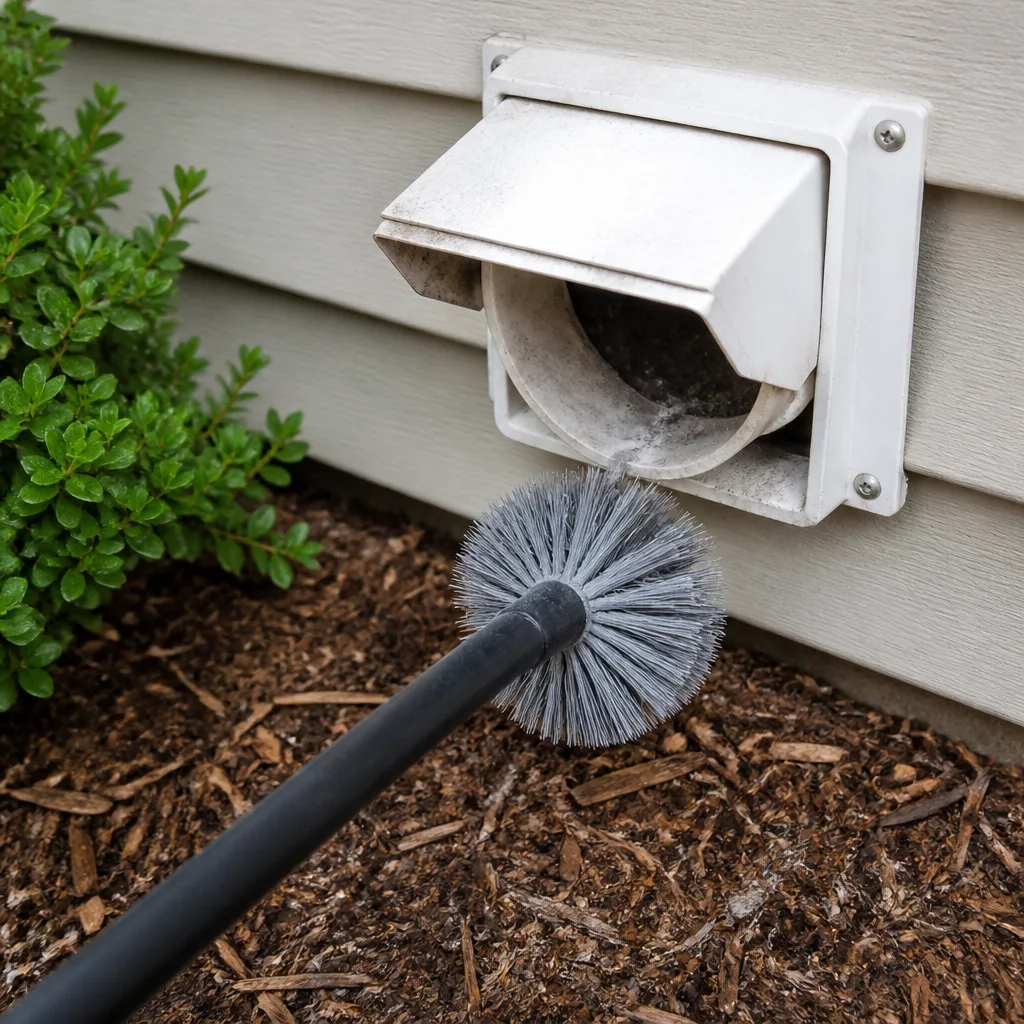 Dryer vent cleaning
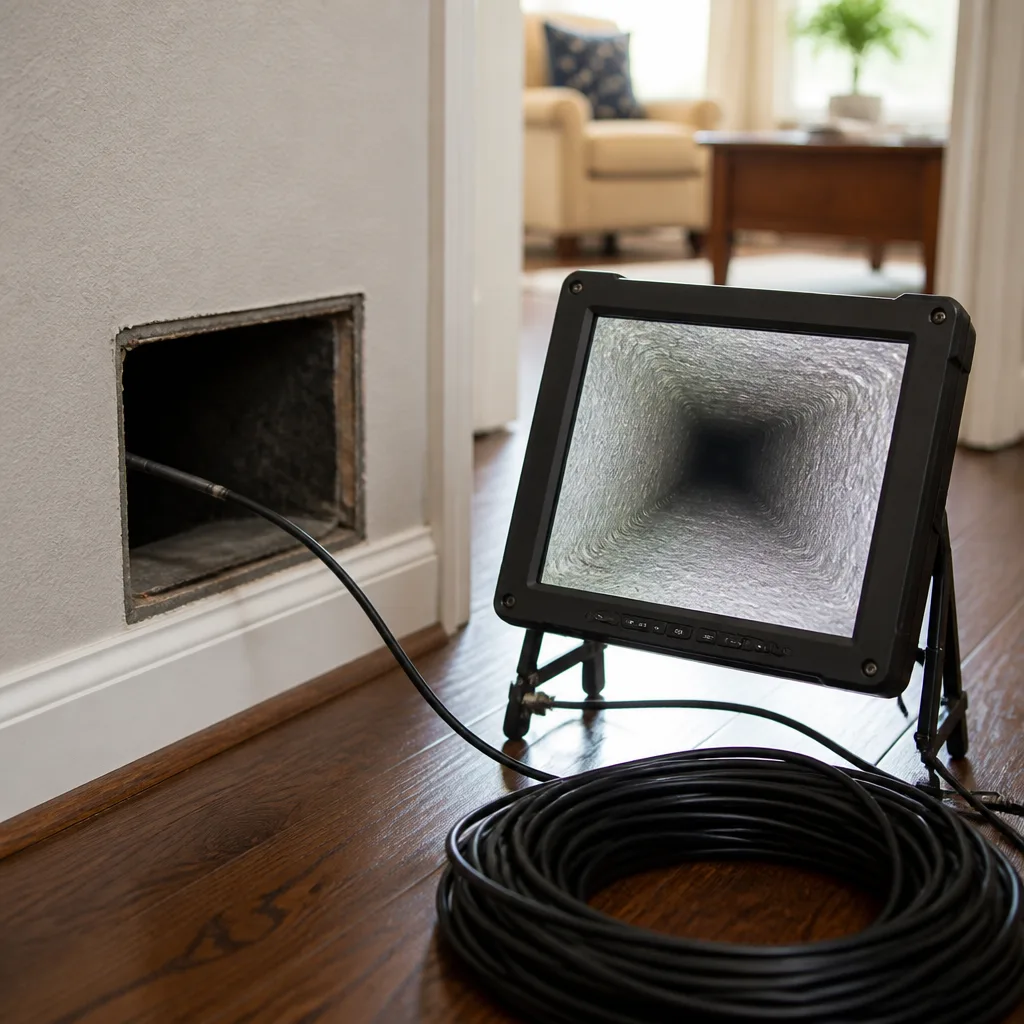 Camera inspection
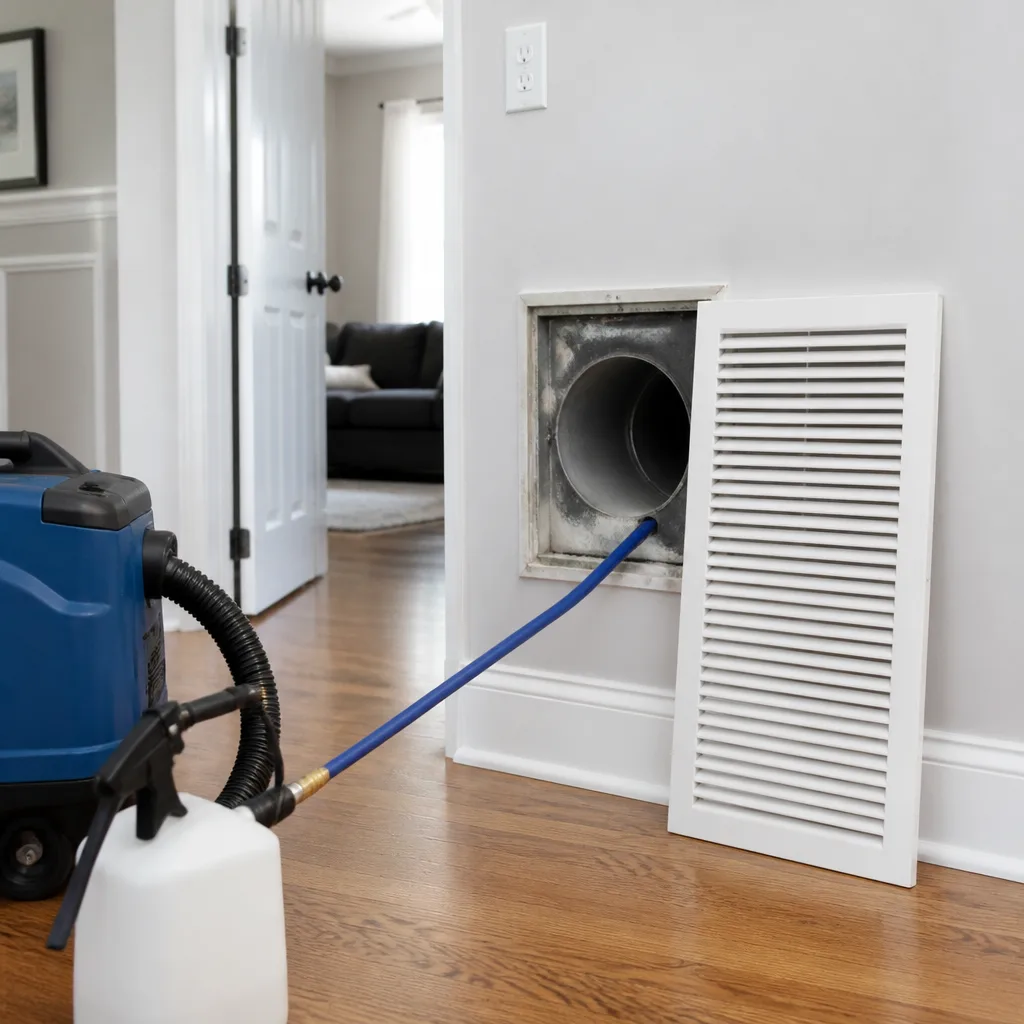 Sanitizing & deodorizing
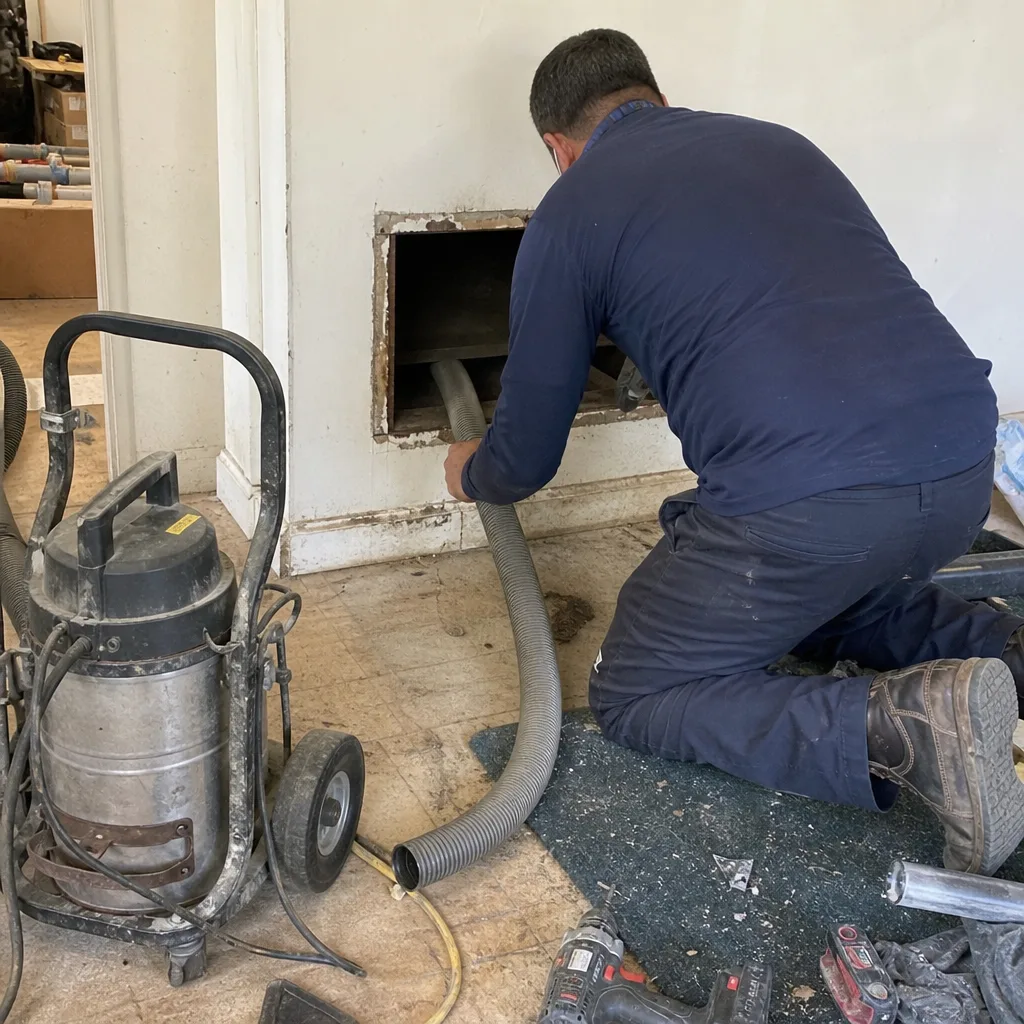
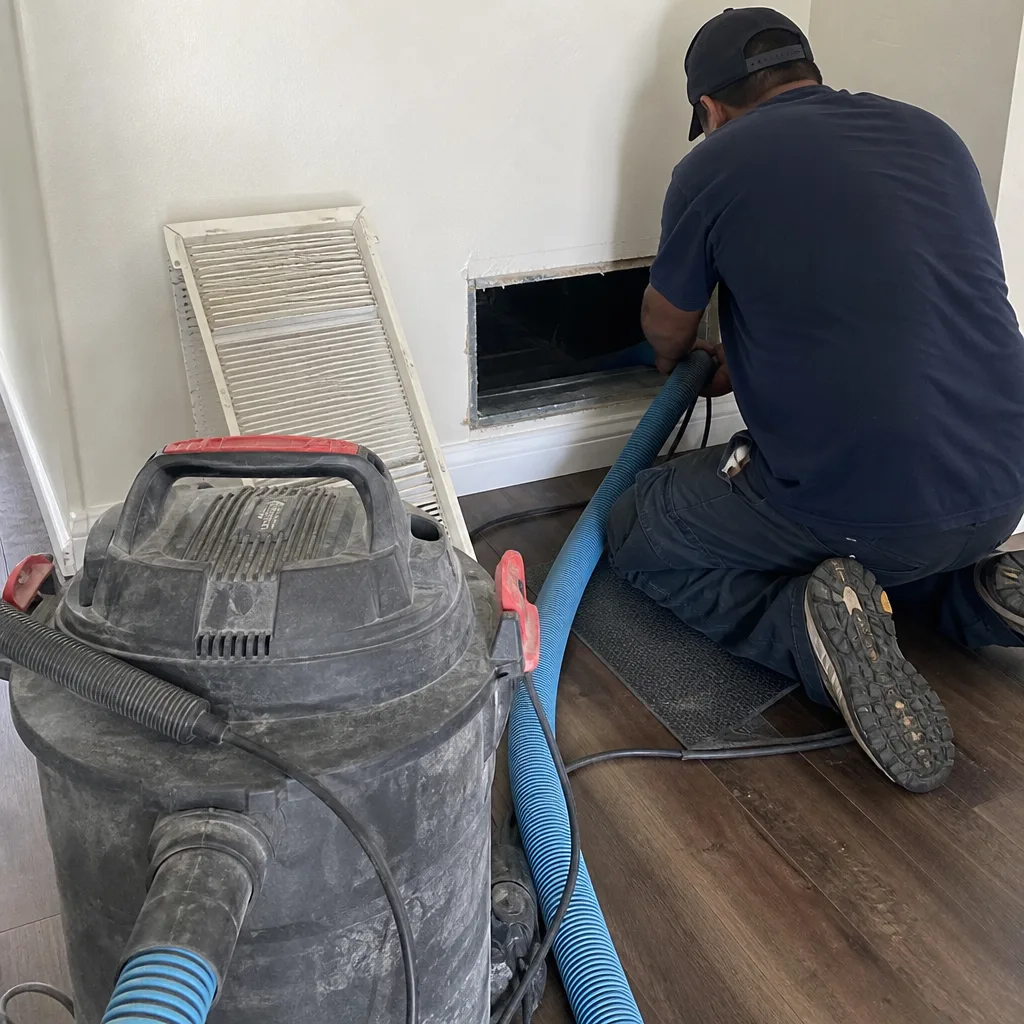
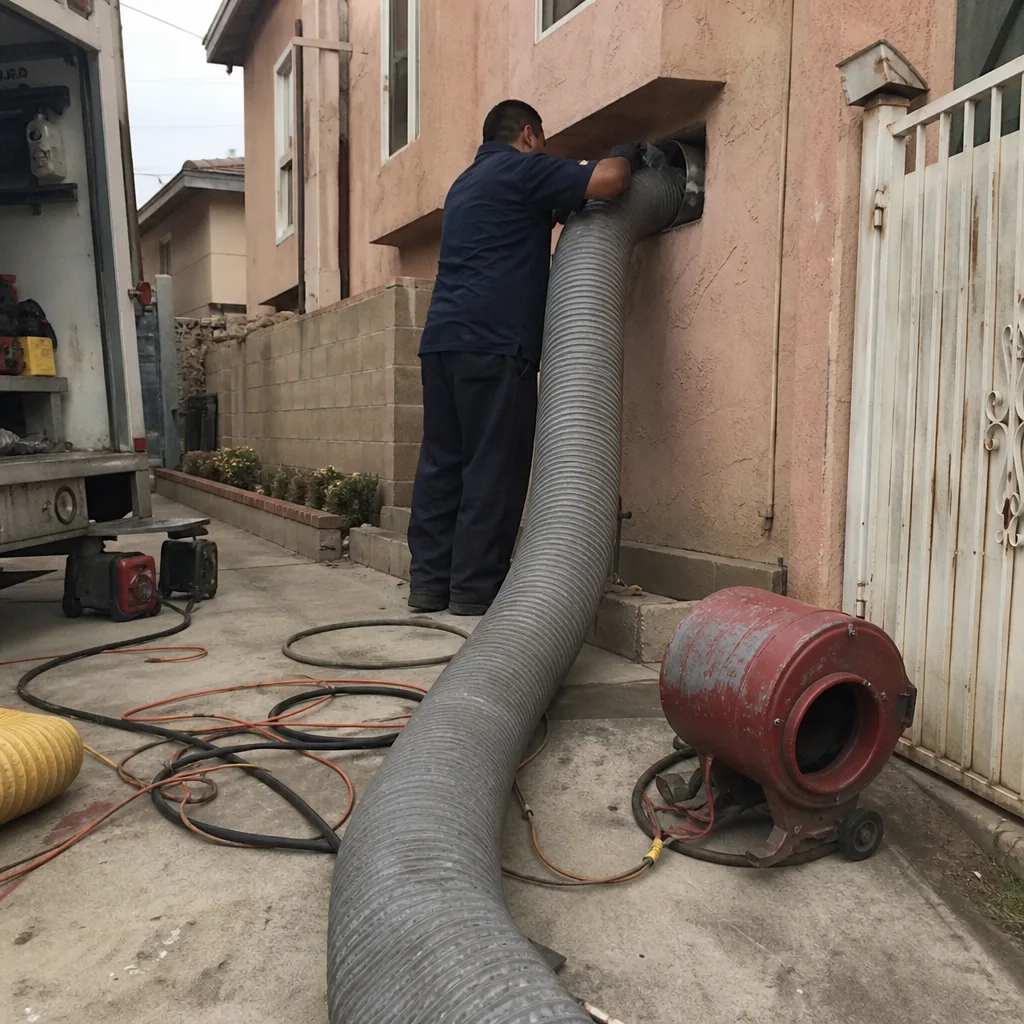
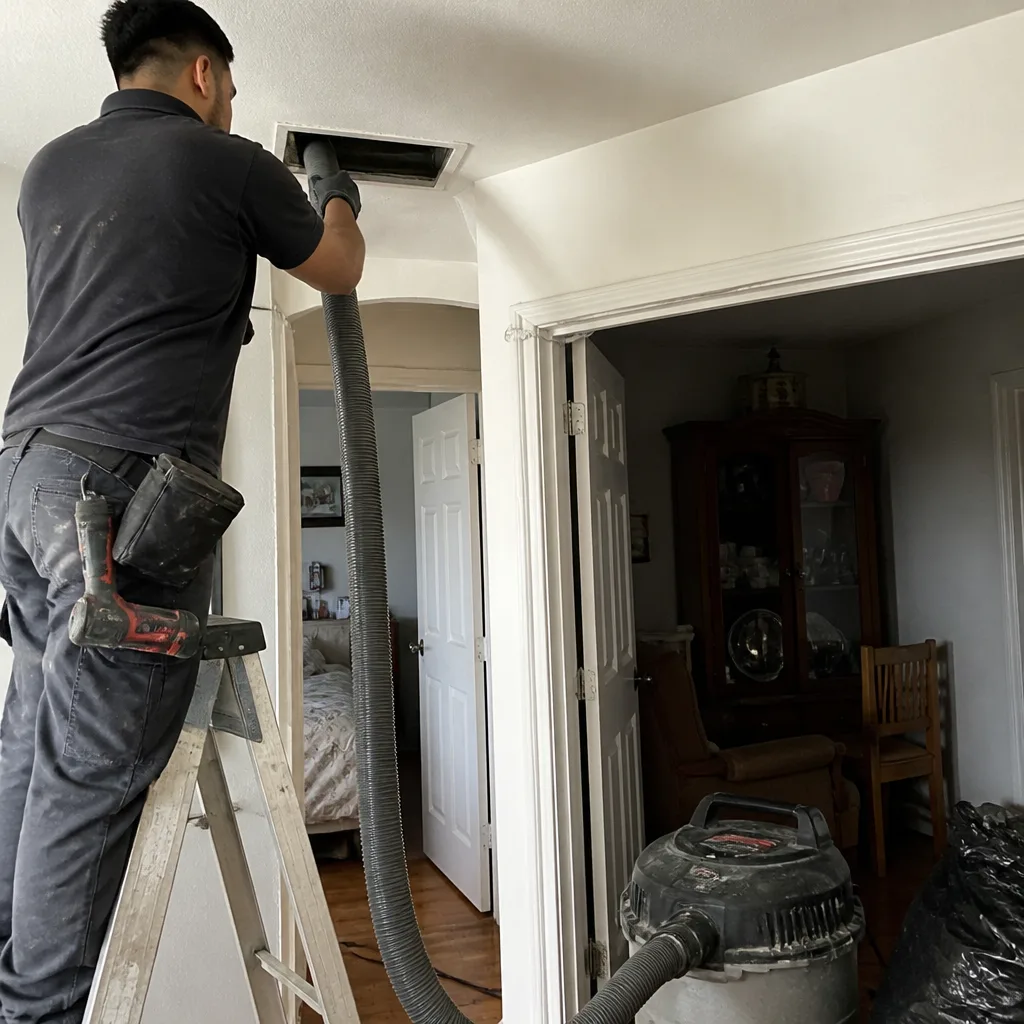
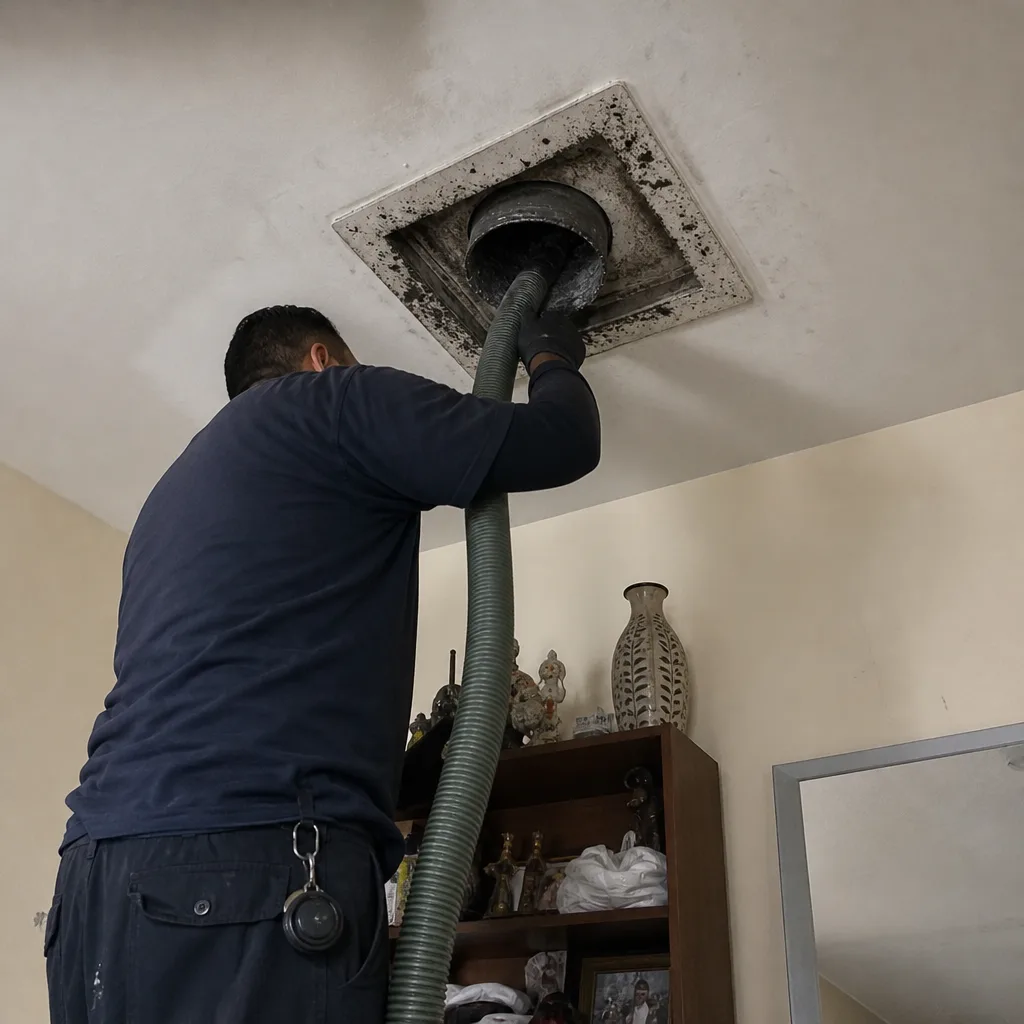
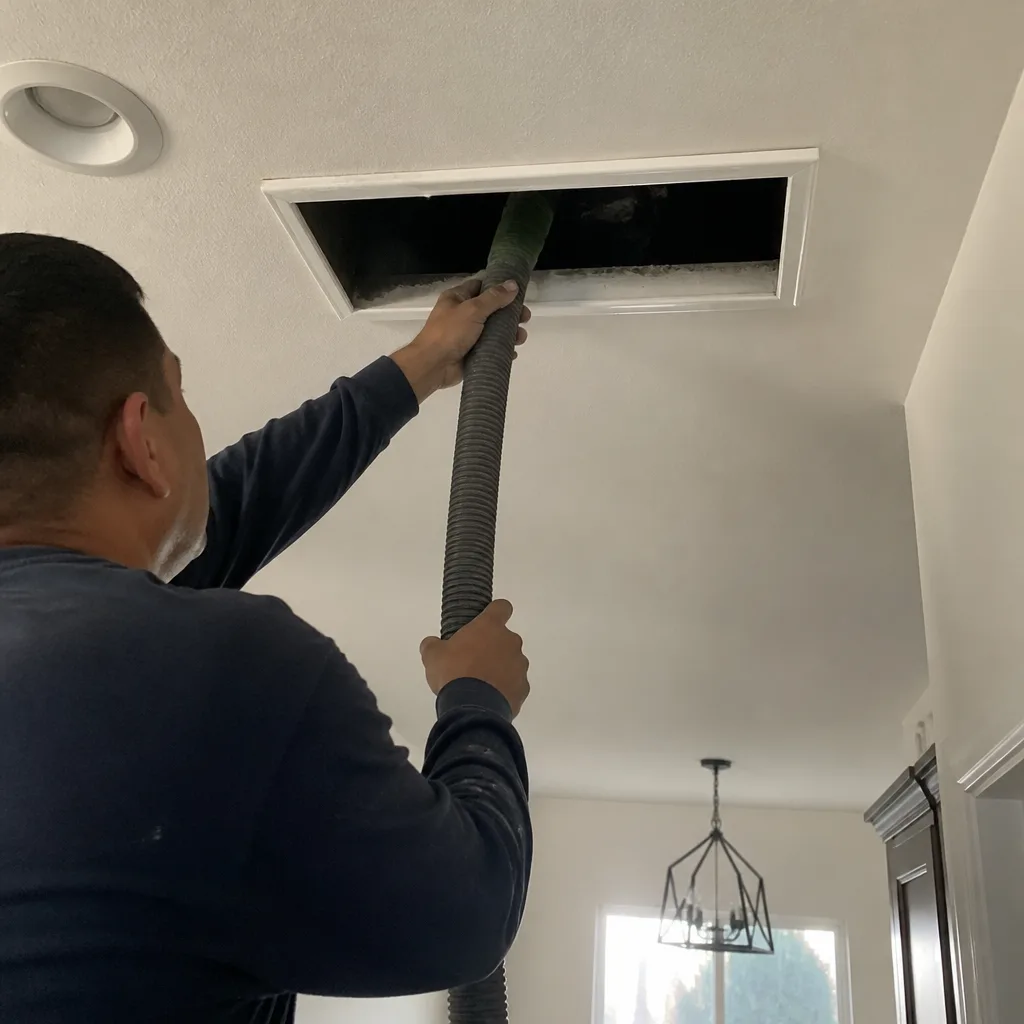
Whole-system duct and dryer vent check with before-and-after photos - you see exactly what came out of your vents
That "$99 whole-house special" is a bait ad - the real number appears once they are in your hallway, or the "clean" is a shop-vac at the register. We photograph the inside of your ducts before and after instead.
Air Duct Cleaning Warning Signs: A Boyle Heights Homeowner’s Reference Guide
Here’s the problem with most air duct warning sign lists: they lump a $200 dust cleaning in the same category as a $2,000 contamination event, give both the same vague “call a professional” advice, and leave you without the information you actually need to make a smart decision. A musty smell when the AC kicks on is not the same problem as visible black debris on your supply vents, yet both appear side by side on the same generic checklists. This guide fixes that. We’ll walk through warning signs by severity tier, explain what each one likely means and what it doesn’t, and give you enough context to know whether you’re looking at routine maintenance or a stop-the-system situation. Boyle Heights homes have their own set of variables too: older ductwork, attic runs through decades of accumulated heat, and air quality patterns shaped by our position between downtown and the 5 and 10 freeways.
Styles & brands we work with
- Whole-home duct cleaning
- Dryer vent cleaning
- Camera inspection
- Sanitizing & deodorizing
Quick Answer
The clearest air duct cleaning warning signs fall into three tiers: Tier 1 signals (dusty registers, uneven airflow, fast-loading filters) mean schedule a routine cleaning at your convenience. Tier 2 signals (musty odor on startup, visible debris blowing from vents, recent rodent activity) mean prioritize an inspection within the next few weeks. Tier 3 signals (visible mold growth on or near registers, respiratory symptoms that track with HVAC use) mean stop running the system and call a specialist immediately. Most Boyle Heights homes fall into Tier 1 or early Tier 2 territory, but knowing which tier you’re in changes whether you need our Air Duct Cleaning services on a routine or urgent timeline.
Table of Contents
- Tier 1 Signs: Schedule a Routine Cleaning
- Tier 2 Signs: Prioritize an Inspection
- Tier 3 Signs: Stop the System and Call a Specialist
- How to Tell Dust from Mold at a Register Face
- Why Boyle Heights Homes Have Specific Duct Vulnerabilities
- What Prior Inspection and Real Estate Findings Should Trigger
- When Cleaning Isn’t Enough: The Repair Connection
- Common Mistakes to Avoid
- When to Call a Professional
- Frequently Asked Questions
- The Bottom Line
Tier 1 Signs: Schedule a Routine Cleaning
Tier 1 signs are the equivalent of your car’s maintenance light: something needs attention, but you have time to schedule it on your terms. These signals indicate normal accumulation that has crossed from “background dust” into “worth addressing” territory. None of these should cause alarm, and none require emergency response.
In Boyle Heights, where many homes run the AC from June through October and the heat pushes dust through older return paths, Tier 1 signs tend to show up faster than in coastal neighborhoods. The air is drier, the attics are hotter, and the ductwork in pre-1980 homes often has gaps that pull in dust from unconditioned spaces. Here’s what to watch for:
- Uneven airflow between rooms. One bedroom stays comfortable while another never quite reaches the thermostat setpoint. This often means a damper issue, a crushed flex duct, or a return path that’s starving for air. It may also mean significant debris buildup in one branch line.
- Dusty registers and grilles. If you wipe a register clean and it’s visibly dusty again within two weeks, the dust isn’t coming from the room. It’s coming from inside the duct system.
- Rising filter loading rate. You find yourself changing the 1-inch filter every three weeks instead of every three months. Your brain might say “the air is dusty.” What it actually means: your system is circulating more particulate than it should, and the filter is doing the work your ducts should have kept contained.
- Visible dust puffs when the blower starts. A small, brief puff from a register when the system kicks on is normal in any home. A persistent cloud that repeats every cycle is not.
None of these require same-day action. But they do tell you the system has crossed a threshold. The fix is a thorough cleaning using equipment designed to capture what it removes, not to blow it back into your living space. That’s the distinction between professional-grade setups like Rotobrush and Nikro systems and the consumer-grade vacuums many discount operations haul into driveways. For a deeper look at what a proper cleaning involves, see our guide to Air Duct Cleaning in Boyle Heights.
Tier 2 Signs: Prioritize an Inspection
Tier 2 signs are where the serious signals start. These are not emergencies, but they are not “wait until spring” items either. A Tier 2 sign suggests something has entered your duct system that shouldn’t be there, or something is growing inside it, or something has made a home in it. Each of the following warrants a phone call within a few weeks, and in some cases sooner depending on what you find.
Musty odor on startup
When your AC first kicks on and you get a whiff of something that smells like a damp basement or an old gym bag, that’s typically moisture and organic material interacting somewhere in the system. In Boyle Heights attics, condensate can accumulate in uninsulated duct sections, especially during humid stretches in late summer. That moisture feeds microbial growth on the dust that coats every duct surface. The smell is the giveaway. Cleaning removes the food source, but if the moisture problem isn’t identified and corrected, the smell comes back. The source might be a drainage issue, a disconnected duct pulling in crawlspace air, or a return leak in a wall cavity. We’ve seen all three in homes across the neighborhood.
Visible debris from registers
If you can see particles blowing out of a register when the system is running, you’re not guessing anymore. That’s confirmed debris in the supply side of your ductwork. It might be construction dust from a renovation years ago. It might be insulation from a failing duct liner. It might be drywall dust that never got cleaned after a patch job. Whatever it is, it’s being pushed through your system and into your air. In our experience, homes that had attic work done before the ducts were last cleaned are the most common source of this sign. The debris sits in the branches and releases gradually over months.
Recent rodent activity in attic or crawlspace
Rats and mice follow the same paths your ducts do. They nest near warm supply lines in winter, and they leave behind urine, droppings, fleas, and nesting material. If you’ve heard scratching at night, seen droppings in the attic, or had a pest control company out recently, your ducts are suspect until inspected. Rodent activity leaves behind contamination that a standard cleaning with the right HEPA filtration can remove, but the contaminated insulation around the ducts may need addressing too. This is where Abatement Technologies-grade negative air capability matters. The same class of equipment used by remediation professionals is what we deploy when a Boyle Heights attic reveals more than surface dust.
Tier 3 Signs: Stop the System and Call a Specialist
Tier 3 signs are the category where generic lists finally agree, and with good reason. These are the stop-running-the-system situations. If you see one of these, turn off the HVAC at the thermostat, close the registers in the affected rooms if you can, and call a specialist who can assess the scope before you reactivate anything.
Visible mold growth near registers or on accessible ductwork
If you can see mold on the register face, on the surrounding drywall, or on visible duct sections in an accessible attic or crawlspace, you are not looking at a cleaning-only problem. You are looking at a moisture problem with a microbial consequence. Mold on a vent means moisture somewhere in the system: condensation on uninsulated duct, a leaking roof penetration directly above a supply line, a bathroom fan vented into the attic instead of outside, or a disconnected section pulling in humid outside air. The mold is the symptom. The moisture is the cause. You need the cause identified and corrected, and you need the contaminated material properly addressed. A cleaning crew that shows no curiosity about where the moisture came from is not the crew you want.
Unexplained respiratory symptoms correlated with HVAC use
This one is hard to talk about and even harder to diagnose. But here’s what we know from years of work in this field: some occupants report coughing, congestion, eye irritation, headaches, or worsened asthma that tracks with the seasons the system runs hardest. If symptoms are worse in the rooms closest to the air handler and better when you’re away from home or when the windows are open, the HVAC system is a reasonable suspect. This does not mean the ducts are moldy. It may mean nothing more than extremely dirty ductwork that’s been circulating the same particulate load for a decade. It may mean a filter that’s been tearing around loose rack clips. It may mean a return pulling garage air directly into the system. All of these are findable. None of them should be ignored by someone sharing a home with a person whose breathing has changed.
If you’re seeing Tier 3 signs in your Boyle Heights home, call us at (855) 382-4682. We’ll walk through what you’re seeing and help you figure out whether an inspection is the right next step.
How to Tell Dust from Mold at a Register Face
The single most useful distinction a homeowner can learn is the difference between accumulated dust and actual mold. Most dark material on a register is dust. Here’s how to tell them apart without lab equipment:
- Look at the texture. Dust is dry, fluffy, and powdery. It wipes off easily with a dry cloth and leaves no residue. Mold has a textured or matted appearance, often with defined edges or irregular color zoning. It may look like a stain as much as a deposit.
- Check the color. Dust from LA homes is gray, brown, or black because it’s mostly road particulate, skin cells, fabric fibers, and carbon from combustion. Black dust is very often just LA dust. Black mold growth typically has a green, green-black, or dark-olive tint. It also tends to appear in patterns rather than even deposits.
- Smell it (carefully). Dust has a dry, earthy smell. Mold has a musty, damp, sour smell. If the odor gets stronger when the system runs, that’s a clue pointing toward microbial growth rather than simple accumulation.
- Check the register’s neighbors. Dust accumulates on the register face. Mold grows on the register face, the surrounding ceiling, the wall cavity, and anywhere else moisture condenses. If you see discoloration spreading beyond the register plate, that’s not just dust.
- Wipe a small area with a damp white cloth. Dust wipes up gray or brown and stays on the cloth. Mold smears into the pores and often leaves a stain behind. A yellow, green, or gray-green smear on the cloth is worth further investigation.
If the material is dry, gray, and wipes away completely, you’ve confirmed dust accumulation. That’s a Tier 1 issue. Schedule a cleaning when convenient. If the material is textured, discolored, malodorous, or associated with moisture staining, you’re looking at a Tier 3 issue that needs professional assessment before you run the system again.
Why Boyle Heights Homes Have Specific Duct Vulnerabilities
Boyle Heights isn’t Glendale, and it isn’t Long Beach. The housing stock here shapes what we find inside duct systems more than most homeowners realize. Understanding these patterns helps you read your own warning signs more accurately.
First, the age of the housing stock. A significant portion of Boyle Heights homes were built between 1900 and 1960. That means decades of duct system modifications by different hands: original gravity heating converted to forced air, returns added where convenient rather than where correct, flex duct spliced into rigid trunk lines, and insulation materials that were never designed for fifty years of LA attic heat. Older systems in Boyle Heights often have dead-end branch runs that no longer serve any room but still collect dust and debris.
Second, the climate. Boyle Heights sits in a warm, dry inland zone that runs the AC hard from late May through October. Long cooling seasons mean longer runtimes, more air moved through the system, and more particulate compression onto duct surfaces. The drier air also desiccates the dust quickly, making it lighter and easier to re-entrain into the airflow.
Third, the geography. We sit in a bowl that catches the particulates drifting east from downtown traffic, the 5, the 10, the 101, and the 60. Anyone who’s wiped a windowsill in Boyle Heights knows how fast the black dust returns. That same dust is in your return air stream, cycling through the filter and into the ducts every time the blower runs.
Fourth, the attics. Boyle Heights attics are hot in summer and cool in winter, which drives condensation cycles on uninsulated metal duct surfaces. That condensation traps dust. Trapped dust in the presence of moisture is the starting condition for the microbial growth that causes Tier 2 odors.
If any of these patterns sound like your home, read our Air Duct Cleaning in Boyle Heights page or our Eastgate Air Duct Cleaning home page for more context on how approach these systems.
What Prior Inspection and Real Estate Findings Should Trigger
Home inspection reports and real estate disclosures are gold mines of duct-related warning signs that most buyers skip right past. If you bought your Boyle Heights home in the last few years, pull up the inspection report and check for these phrases. Any one of them should push you toward an earlier cleaning than the five-year maintenance interval many people assume.
Findings that mean “the ducts are dirty or damaged”
- “Evidence of prior rodent activity in attic” or “rodent droppings observed.” If the attic had rodents before, the ducts almost certainly received contamination. Rodent waste dries inside the duct and becomes airborne particulate over time.
- “Ductwork disconnected” or “flex duct separated at joint.” A disconnected duct pulls attic air directly into your system. Attic air in Boyle Heights is dusty, and it includes whatever your insulation is releasing. A disconnected section also means the supply side is blowing conditioned air into the attic rather than into your rooms.
- “Duct insulation damaged” or “duct liner deteriorating.” Damaged liner releases fiberglass and foam particles into the air stream. Deteriorating insulation on the outside of duct means condensation problems and moisture-driven growth.
- “Evidence of water staining on ceiling below attic HVAC equipment.” Water staining below the attic unit means condensate has leaked at some point. That same moisture may have affected the ductwork.
- “Dust and debris visible in register boots” or “debris noted in supply ducts.” Some inspectors actually look. When they mention debris, that debris has been there since before you bought the home.
What to do with these findings
- Pull the report. Find the HVAC and attic sections. Read them again with the understanding that “minor” notes often describe things that have been worsening since the report was written.
- Compare against current symptoms. Match the inspection findings against what you’re seeing now: the dusty registers, the startup odor, the filter loading. If the report said rodent activity and you’re seeing black speckles on the register faces, those are connected.
- Schedule an inspection with a specialist who listens. Bring the report. A good specialist will use it to target the inspection rather than doing a generic walkthrough.
When Cleaning Isn’t Enough: The Repair Connection
Here’s where the “cleaning is cleaning” assumption costs homeowners real money. If you have disconnected duct sections, crushed flex lines, gaps in the trunk, or missing access panels, a cleaning will make things worse, not better. Here’s why.
A cleaning system like Rotobrush or Nikro equipment works by creating movement: brush agitation, negative pressure, high-velocity air. When the duct system is intact, that movement captures and removes debris. When the system has gaps, disconnections, or crush points, that same movement pulls attic air and loose insulation into the system during the cleaning itself. You can end up with more particulate in the duct after the cleaning than before.
That’s why we treat inspection as the first step for any home with signs of duct damage. If we find gaps, disconnections, or failed sections during the inspection, the correct order of operations is clear: repair first, then clean. Our Air Duct Repair in Boyle Heights service addresses the structural problems before the cleaning begins. It’s the difference between fixing the cause and re-treating the symptom.
The same logic applies to dryer vents. A dryer vent that hasn’t been cleaned in years is both a fire hazard and a performance drain. But a dryer vent with a disconnected or crushed section needs repair before cleaning can make a meaningful difference. We wrote a separate guide for that here.
Common Mistakes to Avoid
- Assuming dark dust means mold. Most black dust on a register in Boyle Heights is exactly that: LA dust. Road particulate, brake dust, and the general urban aerosol of living near three major freeways. Dark dust does not equal mold. Learn the texture and smear test above before you pay for a mold assessment you don’t need.
- Ignoring a slow-loading filter. If your filter changed from a three-month interval to a three-week interval, something changed. Filters load faster when the air they’re cleaning is dirtier. That dirtier air is either coming from outside (more pollutant exposure) or from inside the system (debris being redistributed). Both are findable. Neither gets better on its own.
- Closing registers in unused rooms to save energy. This is the most common DIY efficiency mistake we see in Boyle Heights. Closing too many registers raises static pressure, reduces airflow across the coil, and forces air through the remaining open registers faster. It also turns the closed-off branch lines into dust traps that then release debris when you eventually reopen them. Leave registers open.
- Skipping the inspection because you “just want a cleaning.” In older Boyle Heights homes especially, skipping the inspection means skipping the moment when a disconnected section, a crushed flex run, or a rodent-contaminated branch line gets discovered. A specialist who cleans without looking first is not doing the job properly.
- Treating an odor with air fresheners or vent deodorizers. A musty startup smell is a moisture or contamination signal. Masking it with a vent fragrance means the underlying source keeps growing while you breathe the cover-up. Never mask an odor. Find it and remove it.
- Using a consumer shop vac to “clean the ducts yourself.” We understand the impulse, but a shop vac reaches maybe three feet past the register. Everything beyond that stays. Worse, the agitation can loosen debris that was previously stuck to the duct walls, making it airborne and available to your lungs. If you’re going to pay for the result of a professional cleaning, pay for the professional cleaning.
- Waiting for five years because “that’s the rule.” The five-year interval is a guideline for systems in clean, intact condition. A Boyle Heights home with a 1960s return system, attic dust levels, and a freeway-facing exposure may need cleaning every three years or even more often. Use the warning signs in this guide, not a calendar rule, to time your maintenance.
When to Call a Professional
If you’re seeing any Tier 2 sign that has persisted for more than two weeks, or any Tier 3 sign at all, call a professional with the equipment to actually assess the system. That means a specialist who does a camera inspection, not a crew that shows up with a truck-mounted vacuum and starts cutting access holes before looking at anything. The inspection is the moment when the real problems surface. If the crew doesn’t inspect before they clean, you’re paying for a result you can’t verify.
Eastgate Air Duct Cleaning offers free estimates in Boyle Heights. We inspect first, show you what we find, and give you a clear recommendation before any work begins. Call (855) 382-4682 to schedule an inspection.
Frequently Asked Questions
Air duct cleaning in Boyle Heights typically ranges from $350 to $750 for a standard single-system home, depending on square footage, number of registers, accessibility of the handler, and whether repair work is needed first. Homes with significant contamination, rodent debris, or damaged sections fall outside that range. The lowest prices in the market, especially under $200, almost always come with upgrade pressure once the crew is on site. One flat price per system, agreed before work starts, is the number you want. Call (855) 382-4682 for an exact quote – estimates are free.
Cheaper quotes usually mean consumer-grade equipment, no camera inspection, and a business model built on upselling once the crew has access to your home. A shop-vac rig can’t reach beyond the register boots, so the “cleaning” leaves the trunk and branch lines untouched. The lower quote gets the van in your driveway; the upsell presentation gets the invoice higher. Professional-grade systems like Rotobrush and Nikro equipment cost more to operate because they actually do the job. If a quote seems too good to be true against this guide’s price range, ask what equipment they use and whether they camera-inspect before quoting.
Ask for before-and-after photos of the inside of your ductwork, not just the register covers. A reputable company will show you the trunk line and branch runs before cleaning and after. If the only evidence you get is a pile of debris on a drop cloth that could have come from anywhere, you didn’t get verification. At Eastgate, we photo-document the inspection and the post-cleaning result so you can see exactly what changed inside your system. Call (855) 382-4682 to ask about our verification process.
For most Boyle Heights homes, a three-to-five-year interval is reasonable, but the warning signs in this guide matter more than any calendar rule. Homes near the freeways, with older duct systems, with pets that shed heavily, or with recent attic renovations may need cleaning every two to three years. Homes with HEPA-level filtration at the return and well-sealed ducts can often go five years. The system tells you when it’s ready: filter loading rate, register dust, and startup odor are better indicators than a date on a calendar.
Dirty ducts are primarily a particulate and irritation problem, not a disease vector. The dust in your ducts is mostly skin cells, fabric fibers, road dust, and building debris. For people with asthma, allergies, or respiratory sensitivity, that particulate load can trigger symptoms, especially when the system runs heavily. The more serious concern is contamination: rodent waste, mold growth, and renovation debris contain compounds that go beyond irritation. If anyone in the home has unexplained respiratory symptoms that track with HVAC use, that’s a reason to inspect the system regardless of visible dust levels.
You’re looking for three things: the condition of the duct surfaces (dust loading, moisture staining, growth), the integrity of the connections (gaps, disconnections, crushed flex), and the presence of foreign material (renovation debris, rodent nesting, insulation fragments). A proper camera report shows the trunk line in both directions, representative branch runs, the return path, and any suspect areas identified during the walkthrough. If the camera images are dark, shaky, or too brief to see anything, ask for a second pass. The purpose of the inspection is evidence, not theater.
The Bottom Line
The warning signs that matter in a Boyle Heights home are the ones that tell you which tier you’re in. Tier 1 signs mean schedule a cleaning when it fits your life. Tier 2 signs mean call within the next few weeks before the underlying issue worsens. Tier 3 signs mean stop the system and get a specialist out before you run it again. Most homes cross from Tier 1 to Tier 2 slowly, over the course of a season or two, and the transition shows up in the filter loading rate and the register dust pattern before it shows up as an odor or visible debris. Pay attention to the subtle signs. They’re the early warning system that saves you from the expensive ones. For more guides & resources on keeping your system healthy, see our blog.
Written by the team at Eastgate Air Duct Cleaning, serving Boyle Heights since 2015.
See the difference
 Before
 After
 Before
 After
 Before
 After